The Great Used Car Gridlock: Why Your 2019 Civic Still Costs a Fortune
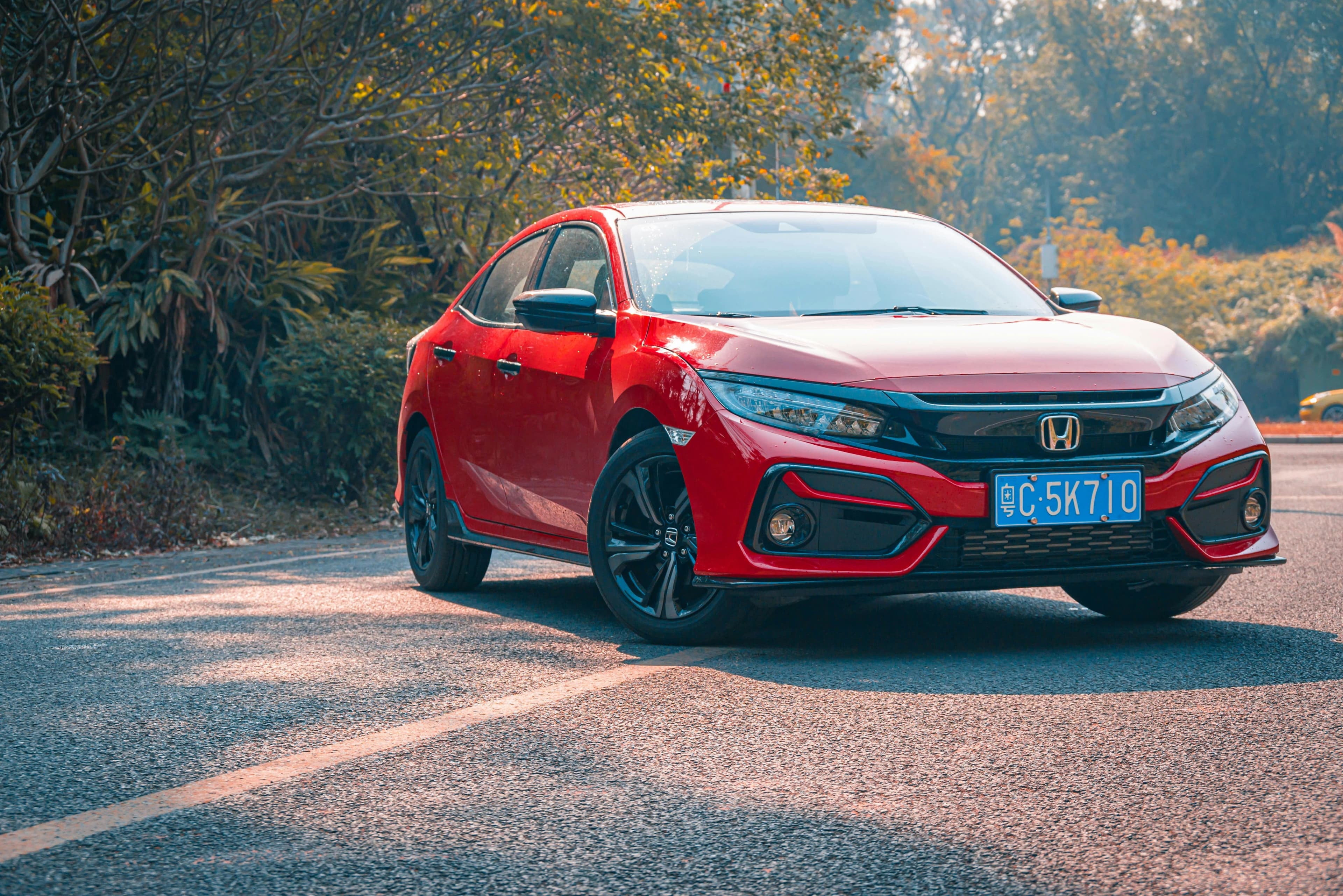
If you spent the last six months of 2025 tucked away in a bunker waiting for the used car market to implode like a poorly built kit car, I have some bad news for you. It didn’t happen. As we roll toward the final days of December, the data from the auction lanes and dealership lots is telling a story of stubborn, frustrating stability. We’re currently sitting in what economists might call a "price floor," but what most shoppers would call a "giant, unyielding headache." According to the latest year-end data, the average used-vehicle listing price is hovering right around $25,730. While that’s a slight dip from the peaks we saw a year ago, it is a far cry from the bargain-basement fire sale many predicted would hit by the holidays.
The reality of the late-December market is one of frozen inventory and a complete stalemate between buyers and sellers. Dealers are currently sitting on about 50 days of supply, which is a significant high for the year, yet they aren't panicking and slashing prices. Why? Because the cost of doing business has evolved. The "reconditioning" of a vehicle—the process of taking a trade-in and making it lot-ready—has become an expensive nightmare. Between the specialized sensors that require precision calibration and the general creep of skilled labor costs, a dealer cannot just drop a price by three grand without falling into the red on a unit they probably overpaid for back in September.
Furthermore, we are seeing the literal extinction of the "cheap car." If you are hunting for something under $15,000 that hasn't been through a hedge backwards, you are looking for a mythical creature. Supply for these affordable units is currently about 30 percent lower than the industry average. This is the result of years of low new-car production during the early 2020s; the "affordable" lease returns that used to feed this segment simply don't exist in the volumes we need. What remains on the lot are high-mileage units that have lived hard lives, and even those are commanding a premium because there is simply nowhere else for budget-conscious buyers to go.
This market feels "stuck" because wholesale prices—the amount dealers pay at auction—have leveled off after a period of volatility. When wholesale prices stop falling, retail prices lose their downward momentum. Dealers are looking at their books, seeing that their acquisition costs are high, and deciding to hold the line. They are betting that the "tax refund" shoppers of early 2026 will be desperate enough to pay the current stickers. It’s a game of chicken where the consumer is currently the one flinching first.
However, being "stuck" doesn't mean you can't win. While the advertised sticker prices are refusing to budge, the actual "out-the-door" negotiating power is higher than it looks. Dealers want to clear their aging inventory before the new year officially resets the clock. To win in this climate, you need to move past the sticker and look at the actual condition of the metal. This is where Price360 becomes your best friend in the negotiation booth. Since dealers are holding onto cars longer, those cars are more likely to have developed "lot rot" or have hidden damages that weren't caught in a rushed trade-in appraisal. By using an AI-powered visual inspection to point out $1,500 in scratches, you can force a discount that the dealer wouldn't otherwise offer.
Ultimately, the market isn't falling; it's just recalibrating to a "new normal" where a five-year-old sedan is a luxury good. If you're waiting for a dramatic crash, you're likely going to be waiting until the 2030s. The smart move right now is to stop waiting for a miracle and start using data to squeeze the motivated sellers who are tired of looking at the same 2019 Civic sitting on their front line.