The Great Screen Wars Have Come for Your Car
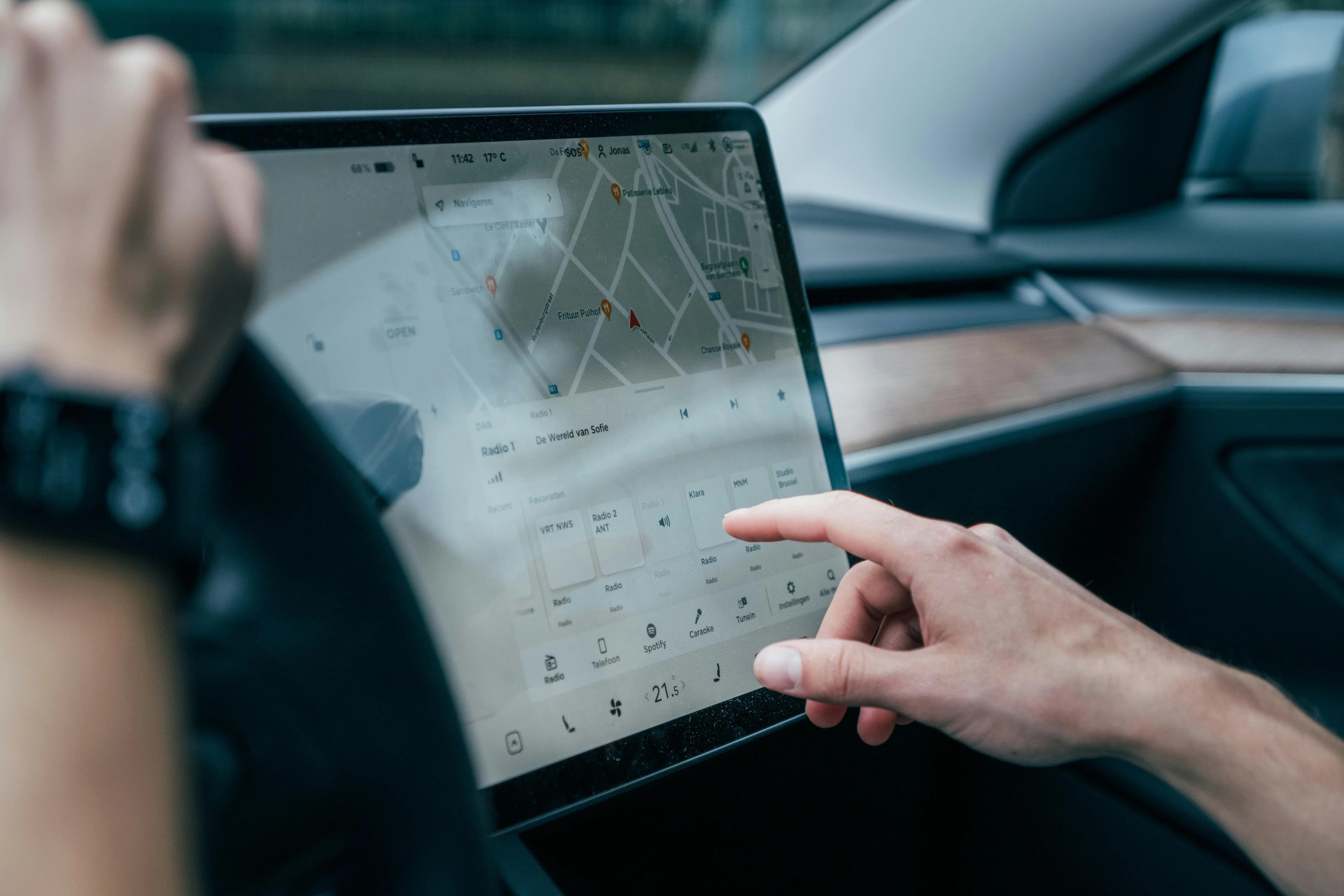
Remember when car interiors had, like, five buttons and maybe a cassette player? Those were simpler times. Now we're hurtling toward a future where your dashboard looks less like transportation and more like the bridge of the Starship Enterprise, and Korean display giants are locked in mortal combat to make it happen.
Samsung Display and LG Display are currently engaged in an arms race to cram as many high-resolution OLED screens into your vehicle as physically possible. At IAA Mobility 2025 in Munich, Samsung rolled out its new automotive OLED brand—creatively named DRIVE—and proceeded to show off a digital cockpit concept that makes most gaming setups look pedestrian.
We're talking about a 10.25-inch cluster display that literally retracts into the dashboard when you park, because apparently even your gauges need dramatic entrances now. There's a 34-inch display spanning the entire dashboard that combines two panels using something called multi-lamination technology, which sounds impressive until you realize it's basically duct-taping two screens together with extra steps.
Samsung's really leaning into the whole OLED-versus-Mini-LED rivalry, setting up side-by-side comparisons at their booth to demonstrate how their screens are supposedly superior. They're pitching advantages like better outdoor visibility under direct sunlight and those perfect blacks that make night driving safer. Fair enough—contrast ratio does matter when you're trying to see that deer about to total your front end.
Not to be outdone, LG Display has been pushing its own Advanced Thin OLED technology and showing off concept cars with transparent OLED displays and rollable screens that disappear when you don't need them. Because if there's one thing modern car design has taught us, it's that everything must be unnecessarily complicated.
The real kicker is that both companies are reportedly in talks with Tesla and BYD—the two biggest EV manufacturers on the planet—to supply automotive OLED displays. If even one of these deals goes through, we're looking at a potential turning point where OLED becomes the default rather than the luxury option.
Mercedes-Benz has already awarded Samsung Display an exclusive contract for pillar-to-pillar OLED displays in the 2028 Maybach S-Class. That's right, a 48-inch flexible screen stretching from one side of the car to the other, because what screams luxury more than turning your windshield area into a Best Buy showroom?
Here's the thing about all this screen proliferation: it's actually pretty impressive technology. OLED panels can be curved, flexible, and shaped to match interior design in ways traditional LCDs simply can't. They're more energy-efficient, produce better image quality, and weigh less. For electric vehicles where every pound matters for range, that's not nothing.
The automotive display market is projected to grow significantly over the next few years, with Mini-LED and OLED technologies duking it out for supremacy. Automotive displays are expected to see a compound annual growth rate exceeding 27 percent through 2030, which explains why Samsung and LG are throwing billions at this segment.
But let's be real for a second. Do we actually need displays that can bend, retract, and span the entire dashboard? Probably not. Will manufacturers continue cramming them into vehicles anyway because consumers have been conditioned to equate more screens with more premium? Absolutely.
The cynic in me sees this as the inevitable march toward vehicles that are less about driving and more about being transported in a connected living room. But the tech enthusiast can't help but admire the engineering that goes into making these displays work in the harsh automotive environment—extreme temperatures, vibration, direct sunlight, and the occasional coffee spill.
So buckle up, because whether you want it or not, your next car is probably going to have more display real estate than your home office. Samsung and LG have decided the future of automotive interiors involves wrapping you in pixels, and they're racing to see who can turn your car into the most expensive television you'll ever own. At least the picture quality will be excellent when you're stuck in traffic binge-watching your favorite shows. That's progress, right?