The Great EV Recession: October Sales Prove What We All Knew Was Coming
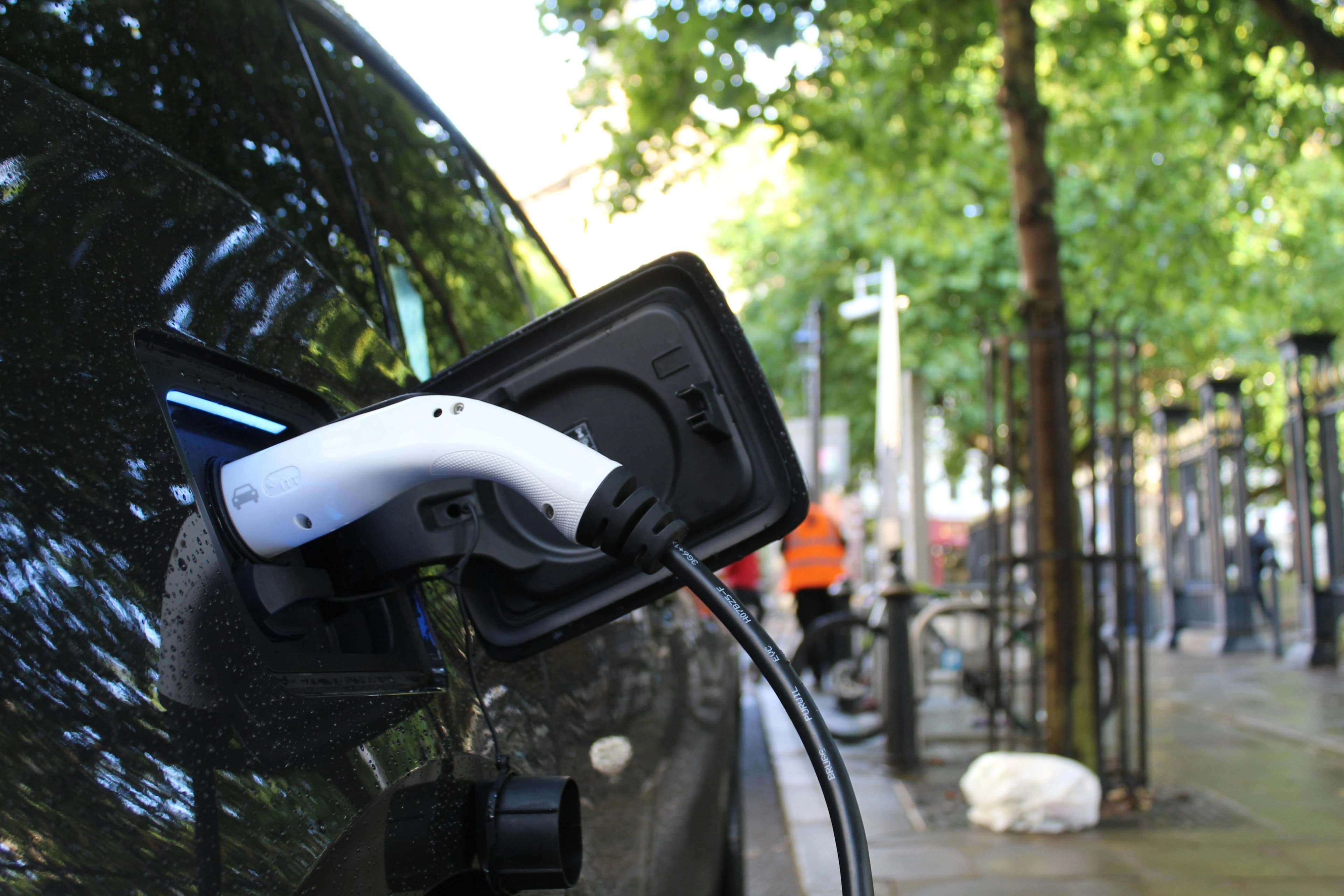
Remember how September was supposed to be the month EVs finally cracked the double-digit market share? Yeah, about that. Turns out when you dangle a $7,500 federal tax credit in front of buyers and then yank it away on September 30th, you get what amounts to the automotive equivalent of everyone rushing to return their empties before the bottle deposit expires.
The numbers are genuinely staggering. In September, EVs hit a record 12.9% market share as buyers stampeded to dealerships to lock in those soon-to-be-extinct credits. Fast forward to October, and EV share cratered to just 5.2%. That's not a dip—that's falling off a cliff while strapped to an anchor made of cancelled orders.
Cox Automotive and J.D. Power are both projecting that October's overall sales pace will drop to around 15.1 to 15.7 million units annually, down from September's robust 16.4 million. The culprit? According to Thomas King at J.D. Power, EVs account for a cool 1 million units of the 1.2 million-unit decline in the industry sales pace. When one segment tanks that hard, it takes the whole industry down with it.
Here's the thing that's both hilarious and maddening: everyone saw this coming. The automakers knew it. The dealers knew it. Hell, your uncle who thinks all EVs spontaneously combust knew it. The Big Beautiful Bill passed in early July specifically set that September 30th expiration date, giving buyers exactly enough time to panic-buy everything with a battery pack and a charge port.
Q3 2025 saw a record 438,487 EVs sold—a 40.7% jump from Q2 and 29.6% higher than a year earlier. Those are genuinely impressive numbers that had EV evangelists doing victory laps. But here's the uncomfortable truth: nearly all of that growth was artificial, propped up by buyers who were essentially getting a government-funded discount that everyone knew was ending.
Now October arrives, and surprise—without subsidies, EVs are suddenly a much tougher sell. Some manufacturers tried to ease the pain by cutting prices or boosting incentives to offset the loss of the tax credit. Tesla, ever the pragmatist, rolled out cheaper versions of the Model 3 and Model Y in early October. But let's be real: when you're trying to make up for a $7,500 gap, you're either eating into your margins or asking customers to pony up more cash. Neither option is great for long-term sustainability.
The broader question nobody wants to ask: what happens when EVs have to compete purely on their own merits, without government intervention? We're about to find out, and October's numbers suggest the answer might be "not great, Bob." Sure, EVs offer lower operating costs, instant torque, and that smug satisfaction of not stopping at gas stations. But when buyers are looking at sticker prices in the $50,000-plus range for decent EVs while solid gas-powered alternatives sit $10,000 to $15,000 cheaper, suddenly that environmental halo starts feeling pretty heavy.
Charlie Chesbrough at Cox Automotive put it diplomatically: "The EV sales story will really change going forward from here." Translation: buckle up, because this ride's about to get bumpy. Dealers who loaded up on EV inventory expecting that September surge to continue are now staring at lots full of electrons with nowhere to go.
The irony is thick enough to cut with a knife. The tax credit was supposed to jumpstart EV adoption, creating momentum that would sustain itself once removed. Instead, it created a dependency that's now painfully obvious. October's crash isn't just a statistical blip—it's a reckoning. The EV revolution just lost its training wheels, and it turns out a lot of people only wanted to ride when Uncle Sam was holding the back of the seat.