The Great Escape: Why Your Door Handle Shouldn't Require a PhD
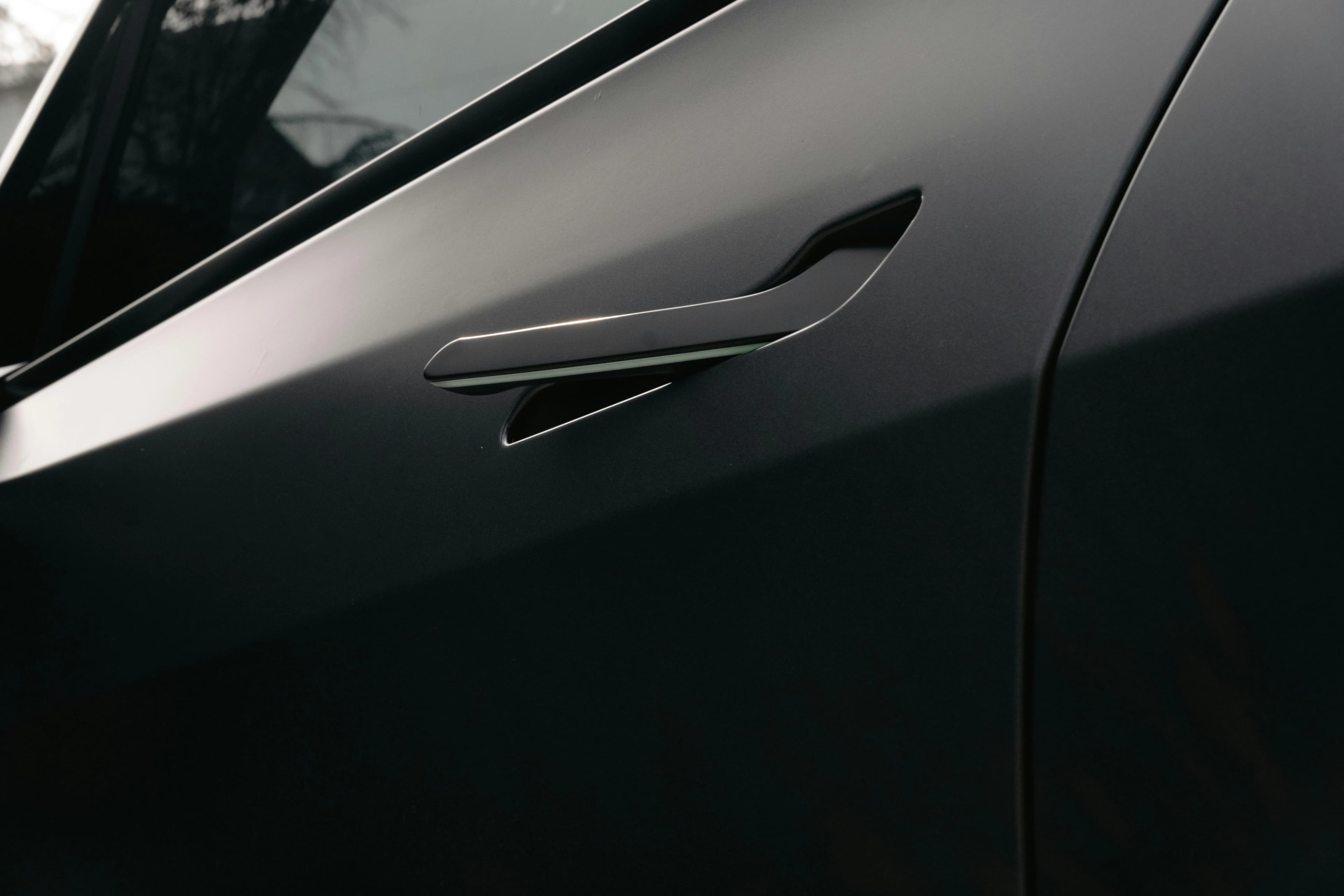
Automotive designers have spent the last decade in a holy war against the "clutter" of the physical world. Buttons were the first to go, sacrificed on the altar of the touch screen. Knobs followed shortly after, replaced by haptic sliders that work about half the time if you’re wearing gloves. But now, we’ve reached the final boss of minimalism: the door handle. And as it turns out, replacing a 100-year-old mechanical lever with an electronic solenoid and a "clean" aesthetic might be one of the more dangerous trends in modern engineering.
Today, December 24, 2025, the National Highway Traffic Safety Administration (NHTSA) officially opened a defect investigation into the emergency door releases of the Tesla Model 3. The probe, designated DP25002, covers approximately 180,000 vehicles from the 2022 model year. It isn't just a bureaucratic exercise; it’s a response to a series of harrowing reports involving crashes where occupants—and even first responders—struggled to open the vehicle doors after a loss of power. When the 12-volt battery dies in a severe collision, those sleek, flush buttons become expensive, immovable plastic decorations.
The issue isn't that there isn't a manual backup; there almost always is. The problem is that the backup is often hidden with the secrecy of a Prohibition-era speakeasy. In the Model 3, the front manual release is a latch that passengers frequently pull by mistake (annoying, as it can damage the window trim), but in the rear, it’s a different story. In some versions, you have to dig into the bottom of a door pocket, remove a plastic cover, and pull a hidden cable. In the heat of a post-crash panic, with smoke in the cabin and adrenaline spiking, "find the hidden flap" is not a sequence of events the human brain is wired to execute.
This isn't just a Tesla problem, though they are currently in the crosshairs. From Rivian to Lucid and even traditional giants like Ford and GM, the industry is moving toward electronic latches. The "minimalist" interior is great for Instagram, but safety redundancy isn't supposed to be aesthetic; it’s supposed to be "idiot-proof." A recent Bloomberg investigation found at least 15 deaths over the last decade in which people were trapped in vehicles because the electronic doors failed and the manual releases were either non-existent or impossible to find.
The industry is currently facing a constructive crossroads. Do we continue down the path of "digital everything," or do we admit that some things—like getting out of a burning car—should remain analog? There is a shift beginning to happen. Some manufacturers are moving toward a "two-stage" pull—where a light tug activates the electronic latch, but a firmer, second tug engages a mechanical override. It’s intuitive, it’s clever, and it doesn't require a sticker or a YouTube tutorial to explain. It’s the kind of common-sense engineering that used to be standard before we decided every car needed to look like a futuristic smartphone.
As the NHTSA probe moves forward, we expect to see a wider industry reckoning. Consumers are already taking matters into their own hands, with a surge in sales for "car escape tools" like glass breakers and third-party manual pull-cords. When owners feel they need to buy aftermarket parts just to ensure they can exit their own vehicle in an emergency, it’s a sign that the design trend has officially overshot the mark.
The lesson for automakers as we head into 2026 is simple: innovation is wonderful, but it should never come at the expense of basic survival. A door handle should be the most boring, predictable part of a car. It should be the thing you don't have to think about. Because when you finally do have to think about it, it’s usually because you’re in a situation where thinking is the last thing you want to be doing.