The Global Price War Is So Bad, It’s Now Illegal (In China)
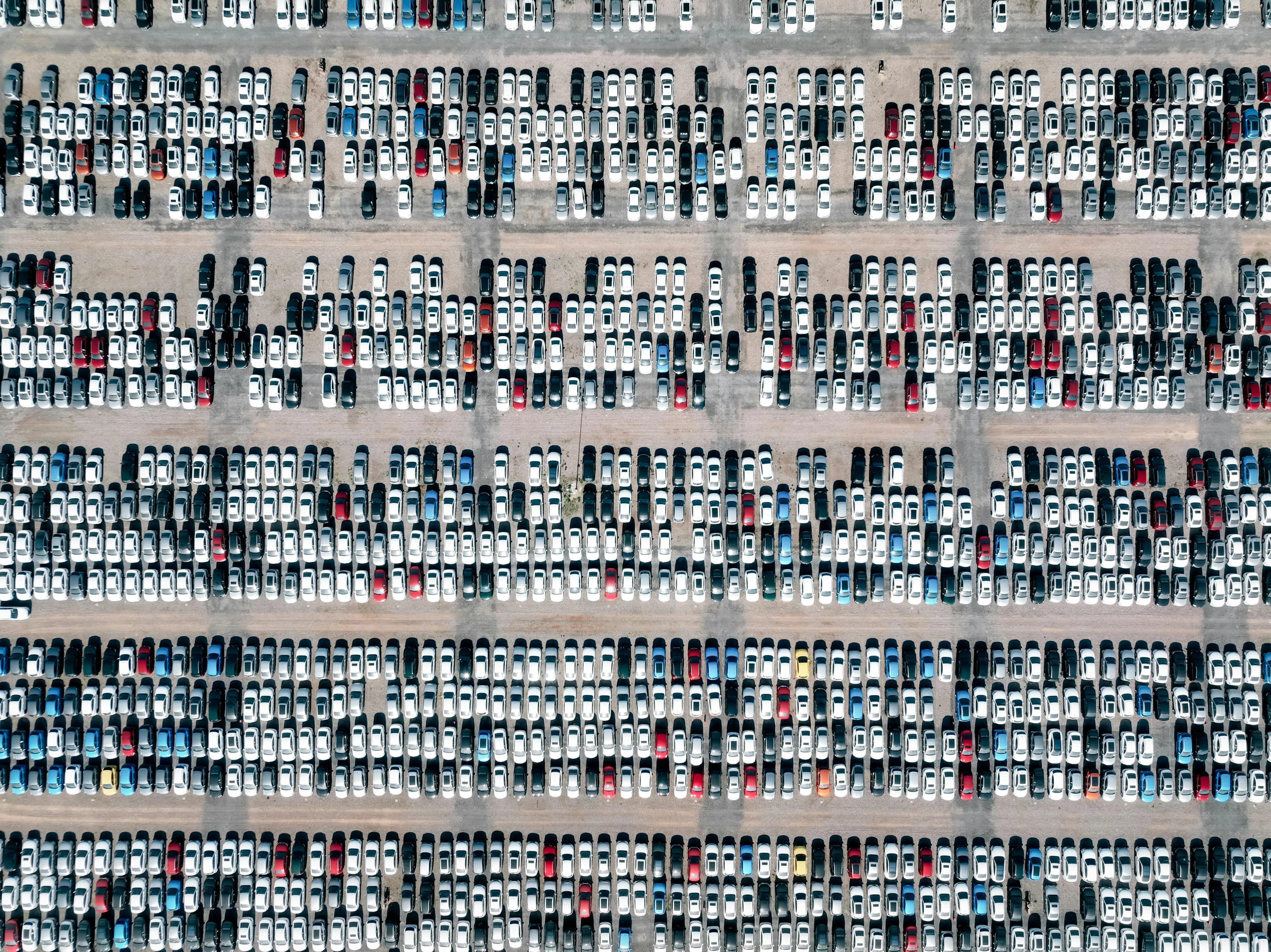
If you’ve been following the automotive industry for the last three years, you’ve been watching a slow-motion demolition derby where the cars are made of cash and the drivers are blindfolded CEOs. It was called the "Great EV Price War," and for a brief, shining moment, it seemed like the laws of economics had been suspended. You could buy a high-tech electric crossover in Shanghai for the price of a nicely equipped golf cart. Manufacturers were slashing prices daily, desperate to move metal, undercut the competition, and survive the culling. It was a consumer’s paradise, a capitalist’s nightmare, and completely unsustainable.
Well, the party is over. As of this week, the adults have entered the room and turned on the lights.
On February 12, China’s State Administration for Market Regulation (SAMR) officially banned automakers from selling vehicles "below cost." And they aren’t using "cost" in the vague, creative-accounting sense where you ignore R&D and pretending marketing budgets don't exist. The new guidelines are brutally specific: "Cost" now includes administrative overhead, marketing spend, warranty reserves, and financing costs. This effectively closes the loop on the "burn cash to buy growth" strategy that has defined the Chinese auto market since 2023.
Why does this matter to you, reading this in America or Europe? Because this isn't just a domestic policy tweak; it’s a global ceasefire.
For years, Western automakers have been screaming that Chinese brands were "dumping" cars—selling them at a loss to kill off foreign competition. It’s why we saw those massive tariffs pop up in the EU and the US. But now, even the Chinese government is admitting that the bloodletting has gone too far. When you have startups losing $30,000 on every car they sell, you don't have an industry; you have a charity for car buyers funded by venture capital and local governments.
The "anti-involution" pact (a fancy term for "stop killing each other") signed by 16 automakers last year was a polite suggestion. This new regulation is a direct order. It means the floor for EV prices is about to rise, and fast.
This creates a fascinating ripple effect. First, it likely saves the remaining legacy automakers in China from total extinction. Volkswagen, GM, and Toyota have been hemorrhaging market share because they simply couldn't (or wouldn't) match the insane price cuts of their digitally-native rivals. Now that their competitors are forced to charge actual money for their products, the playing field levels out significantly.
Second, it changes the export game. If Chinese brands can no longer subsidize their domestic losses with cheap capital, they will have to prioritize profit over volume. That means the terrifying wave of ultra-cheap exports might slow down, or at least get more expensive.
Ultimately, this regulation forces the industry to get back to basics: building better cars, not just cheaper ones. It shifts the competition from "who has the deepest pockets" to "who has the best tech", which is probably better for everyone in the long run. We might miss the dirt-cheap prices, but we won't miss the bankruptcies and orphaned cars that usually follow them. The price war is dead; long live the profit margin.