The Ghost of the Twenty-Five Thousand Dollar Car
We have officially entered a new era of automotive history, and unfortunately, it is the one where your wallet goes to die. As of today, market data confirms a milestone that would have seemed impossible just a decade ago: the $25,000 new car is essentially extinct in the United States. While there are technically a handful of base-model subcompacts that might have a sticker price starting with a two and a four, once you factor in destination charges, floor mats, and the inevitable dealer markup, the average transaction price has left the mid-twenties in the rearview mirror for good.
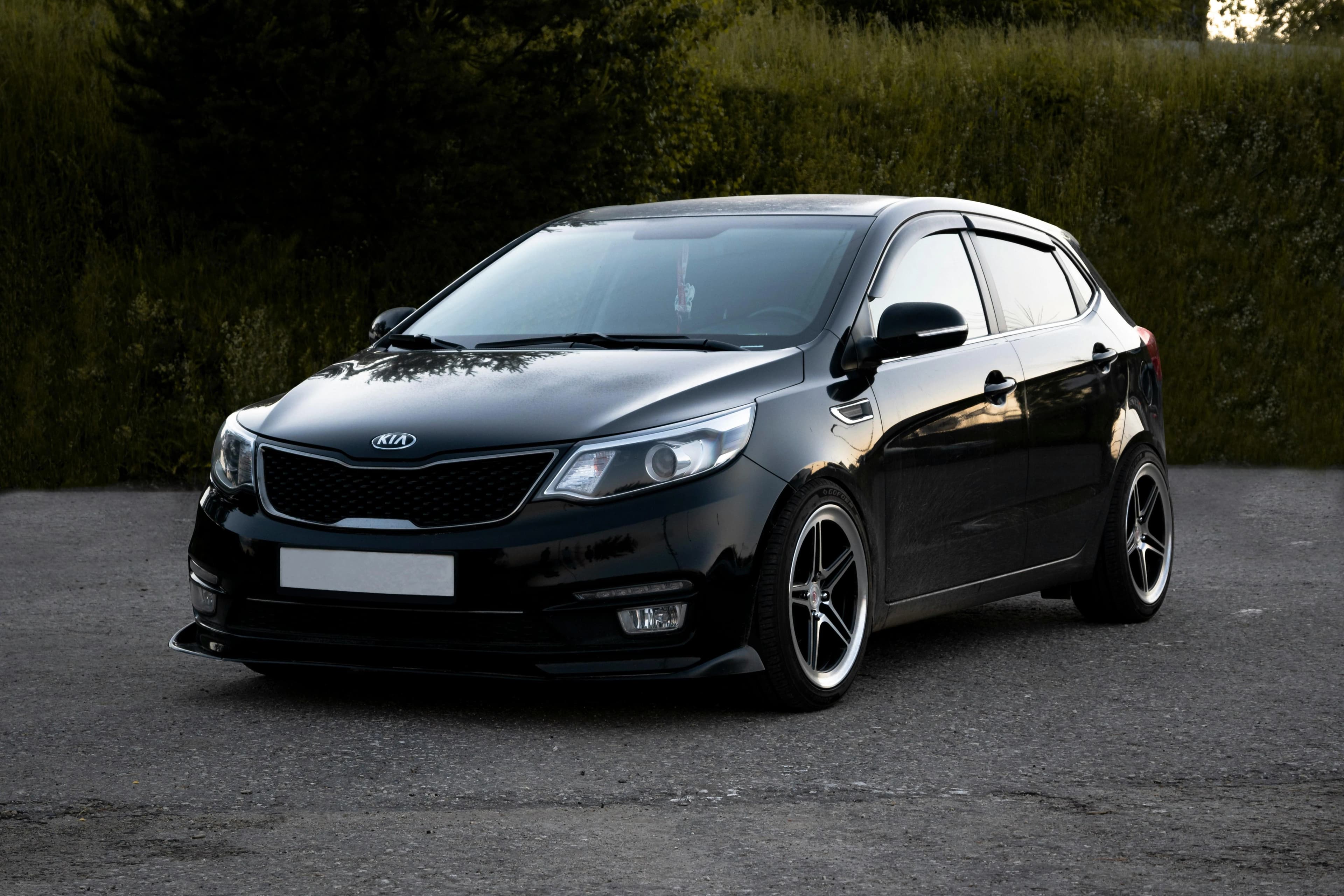
The culprit is a perfect storm of manufacturer greed, consumer preference for oversized crossovers, and the relentless creep of safety tech that everyone wants but nobody wants to pay for. Entry-level champions like the Mitsubishi Mirage and Kia Rio have been sent to the great scrapyard in the sky, replaced by subcompact SUVs that are essentially the same cars on stilts with a $7,000 premium attached. The average new car price has now surpassed $50,000, driven largely by high-income buyers who are snapping up $65,000 pickup trucks and $77,000 full-size SUVs.
The result is a car market that looks like a K-shaped recovery on wheels; the wealthy are buying vehicles with massage seats and 15-inch touchscreens, while the rest of us are staring at $900 monthly payments for a basic commuter. This shift has fundamentally broken the old-school 20/4/10 rule of car buying. You know the one: 20 percent down, a four-year loan, and 10 percent of your income. For the median American earner in 2026, that math now leads you directly to a bicycle. Instead, buyers are being pushed into 72-month or even 84-month loans just to keep the monthly payment from looking like a mortgage.
The death of the affordable car is not just about the sticker price; it is about the disappearance of choice. Manufacturers have realized that the profit margins on a $22,000 sedan are razor-thin, so they simply stop making them. Why sell a Versa for a $500 profit when you can sell a Rogue for $5,000? It is a logical business move, but it leaves a massive hole in the market for young drivers, students, and anyone who just needs a reliable way to get to work without financing it for the next decade. Even used car prices have stayed elevated, with the average pre-owned vehicle listing at over $26,000.
If you are feeling the squeeze, this might be the moment to look at tools that help you navigate the used market with a bit more confidence. Since new cars are priced like luxury watches, making sure a used one is not a lemon is the only way to survive. Platforms like OptiCar allow you to browse millions of vehicles nationwide to find the best deal, while Price360 can give you an AI-powered look at damages and history reports. These tools are becoming essential as the entry-level market shifts from the showroom to the used car lot.
The long-term impact of this affordability crisis could be profound. We are seeing a shift where car ownership is becoming a luxury rather than a utility for a growing segment of the population. While some analysts point to a slight cooling in prices due to increased inventory in 2026, the floor has permanently moved. The "cheap set of wheels" has officially become a ghost of the past, and unless manufacturers find a way to make small cars profitable again, we are looking at a future where most people are either priced out of the new market or stuck in a cycle of eternal debt to keep a crossover in the driveway.