The Ghost in the Machine: NHTSA’s Urgent Warning on Illegal Airbags
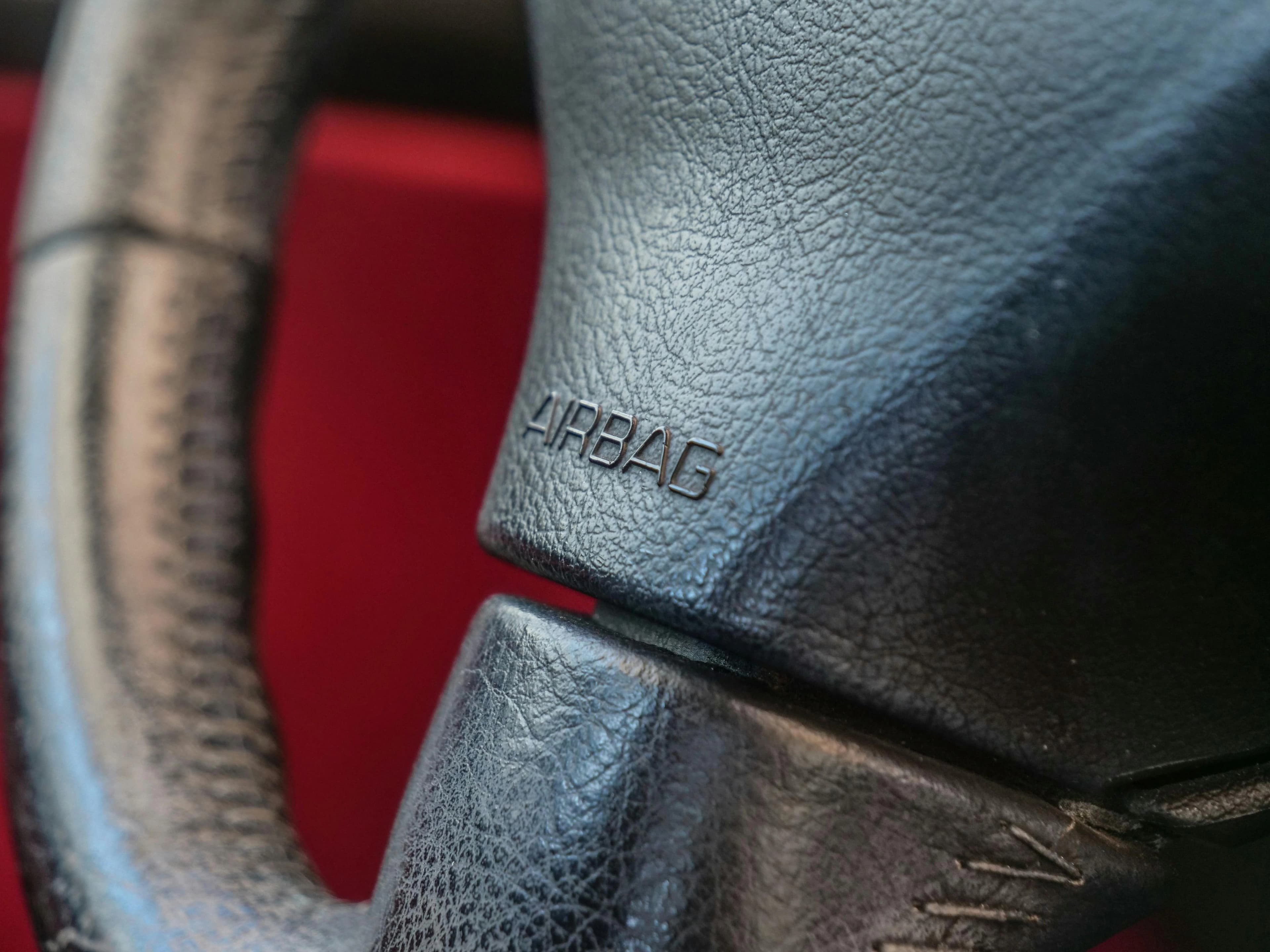
We like to think of the used car market as a place of discovery, a realm where a savvy shopper can find a diamond in the rough. But today, the National Highway Traffic Safety Administration (NHTSA) reminded us that sometimes the "rough" is actually a death trap. The agency has issued an urgent "do not drive" warning for thousands of vehicles equipped with "ghost" airbag inflators—substandard, illegal replacements that are flooding the market and, quite literally, blowing up in people's faces.
The problem centers on vehicles that have previously been in accidents where the airbags deployed. In a perfect world, that car is either totaled or repaired using genuine OEM parts. However, in the world of cut-rate "rebuilt" titles and shady independent shops, there is a thriving black market for counterfeit inflators. These parts, often sourced from unregulated factories in China, look identical to the real thing but lack the precise chemical engineering required to inflate a bag safely. Instead of a controlled release of gas, these "ghost" inflators tend to over-pressurize and rupture, sending a spray of jagged metal shards through the nylon bag and into the driver.
NHTSA has linked at least ten fatalities and dozens of life-altering injuries to these specific counterfeit parts in just the last year. The agency is particularly concerned because these parts aren't just failing; they are acting as improvised explosive devices. The most affected models include popular used-market staples like the Chevrolet Malibu, Hyundai Sonata, and various Honda Civics from the early 2010s—cars that are frequently bought by first-time drivers or people looking for affordable, reliable transportation.
This isn't just a manufacturing defect; it’s a massive failure of the global supply chain. These parts are being sold on major third-party e-commerce platforms under the guise of being "compatible" or "refurbished." For the average consumer, there is almost no way to tell the difference until it is too late. You can’t exactly peek behind the steering wheel cover to check the serial number on your inflator while you're sitting at a red light. It creates a terrifying layer of "hidden" danger for anyone buying a car with a salvage or rebuilt title.
This is exactly why we built Price360. When you’re looking at a used car that seems too good to be true, our AI-powered visual inspections and comprehensive history reports look for the red flags that suggest a car was rebuilt on the cheap. We track previous accident data and deployment records, helping you identify vehicles that have a high probability of having these "ghost" parts tucked away in the dashboard. If a car has a history of major front-end damage but is being sold as "good as new" for a bargain price, that’s your cue to look elsewhere.
The industry needs to do more than just issue warnings; it needs to crack down on the platforms allowing these parts to be sold. But until then, the burden of safety falls on the buyer. If you own a vehicle with a rebuilt title, NHTSA is urging you to have a certified technician inspect the airbag modules. It might cost you an hour of shop time, but it’s a small price to pay to ensure your car's safety system is actually there to save your life, not end it.