The Ford Mustang Stands Alone at the Top of the Sports Car Mountain
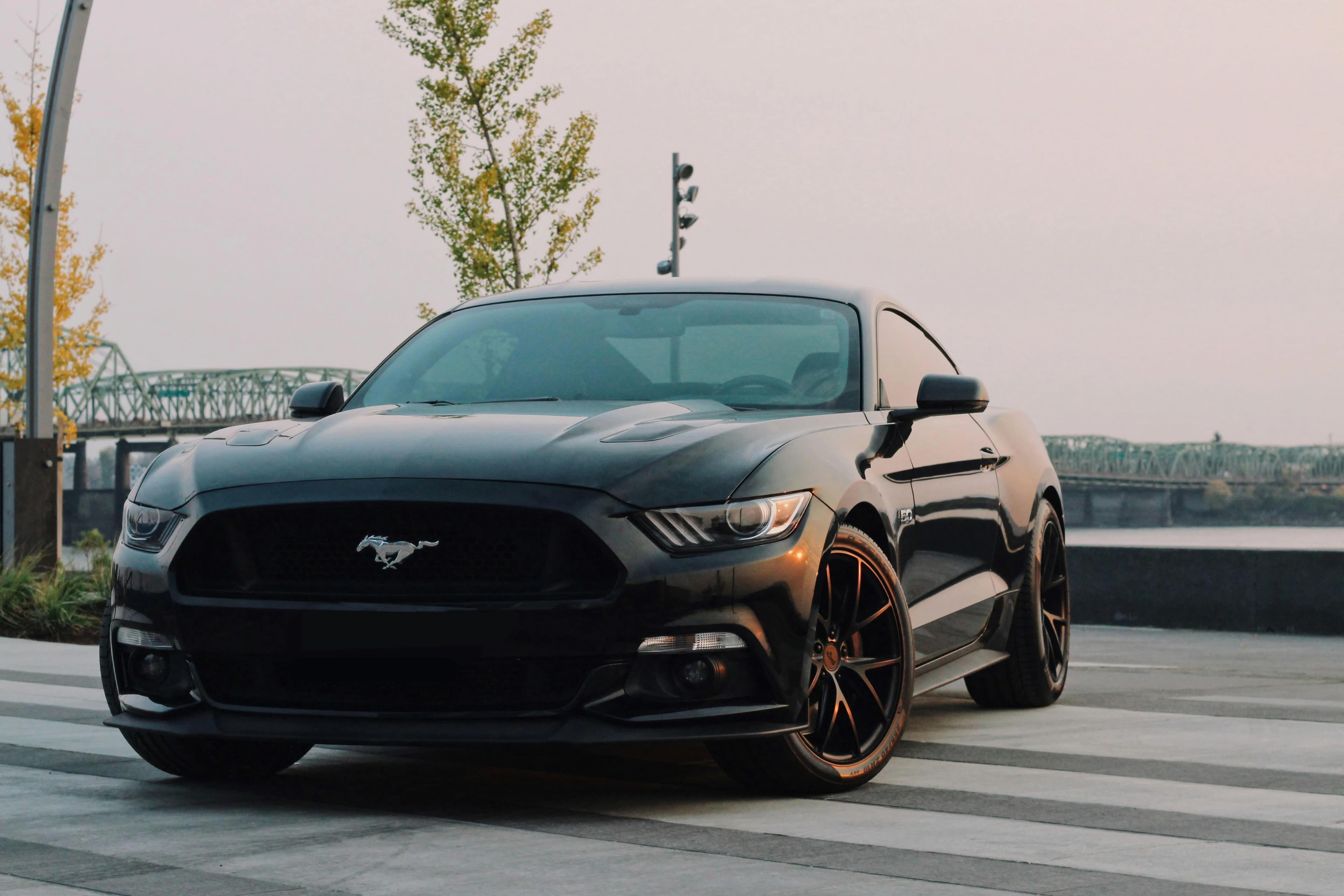
The automotive landscape is currently undergoing a massive transformation, but some things stubbornly refuse to change. The Ford Mustang continues to absolutely dominate the front engine sports car segment. Sales numbers for the first half of 2026 are officially in the books across the industry. The resulting data proves exactly what driving enthusiasts have been saying all along. There is still a massive, hungry market for rear wheel drive coupes powered by traditional gasoline engines.
Ford recorded a commanding victory over everyone else in the sports car category. This win is not just a marginal squeak past the competition for quarterly bragging rights. It is a decisive, overwhelming lead that leaves the rest of the industry analyzing their future product plans. While other major manufacturers are pivoting rapidly away from traditional sports cars, the engineers in Dearborn are happily cashing checks and building more V8 engines.
Context is crucial to understanding exactly how Ford captured this massive volume victory. The competitive field has thinned out considerably over the last few years. The Chevrolet Camaro is currently winding down its production life. General Motors built an absolute masterpiece of a chassis for the final Camaro generation. It could run circles around expensive foreign exotics on a road course. Unfortunately, controversial design updates and notoriously bad outward visibility alienated typical buyers.
General Motors eventually decided to push its development resources into global electrification and crossover manufacturing. That internal pivot left loyal Chevy fans without a direct, modern gasoline rival to cross shop against the Mustang at the local dealer lot. They either buy a Corvette or they switch brands entirely.
Meanwhile over at Dodge, the legendary Challenger has definitively sailed past its peak glory days. The big heavy bruiser owned the local drag strip for over a decade. It was unashamedly massive and unapologetically loud. Dodge is now transitioning into a bold new electrified era with vehicles like the Charger Daytona. The familiar rumble of the supercharged Hemi engine is getting much harder to find on fresh showroom floors.
Dodge is currently attempting a very difficult high wire act by trying to redefine American muscle for a battery powered future. That awkward transition period creates a massive sales opportunity for anyone willing to keep the traditional loud pedal formulas alive right now. Ford saw this growing gap in the marketplace and simply kept their foot pressed firmly on the throttle.
By heavily refining the current Mustang rather than completely replacing its fundamental engineering architecture, Ford successfully captured the entire orphaned buyer base from their cross town rivals. If a driving enthusiast wants a brand new, relatively affordable, gasoline powered pony car in 2026, their shopping list is incredibly short. Ford essentially operates a monopoly on the traditional American sports car experience today. They are the only major player left serving this specific dish.
This is a brilliant strategic play by the Blue Oval executives. Automakers face intense pressure to balance fleet emissions and invest heavily in upcoming battery technology. Developing a brand new internal combustion sports car from the ground up is financial suicide in the current regulatory environment. Ford bypassed that enormous problem by heavily updating their existing proven platform. They kept development costs manageable while delivering exactly what the target demographic demands.
The sheer variety within the current Mustang lineup also contributes heavily to its continued sales dominance. Buyers can choose a base turbocharged four cylinder model that works perfectly as a stylish and reasonably efficient daily commuter. Those seeking more mechanical theater can step up to the venerable Coyote V8 engine and tick the box for a manual transmission. Serious track day enthusiasts have specialized high performance variants draped in downforce to hunt apexes on the weekends. The car scales beautifully to fit wildly different budgets, insurance brackets, and driving styles.
It is easy to look at the sales charts and assume the Mustang is simply winning by default. That perspective ignores how fundamentally good the current car actually is on the road. Ford did not just leave the car untouched and wait for the surrounding competition to die off. They integrated massive digital displays, updated the suspension geometry, and kept the exterior styling fresh. They built a compelling product that stands purely on its own merits.
What we are witnessing is the sunset of a golden era for gasoline sports cars, but Ford is ensuring the finale is a spectacular one. The EV transition is accelerating globally. Electricity will eventually power almost everything parked in our driveways. Until that quiet day officially arrives, the Ford Mustang continues to serve as an unapologetic, loud, and incredibly successful reminder that internal combustion can still move the sales needle.