The Flagships Are Sinking: Tesla Reportedly Kills the Model S and Model X
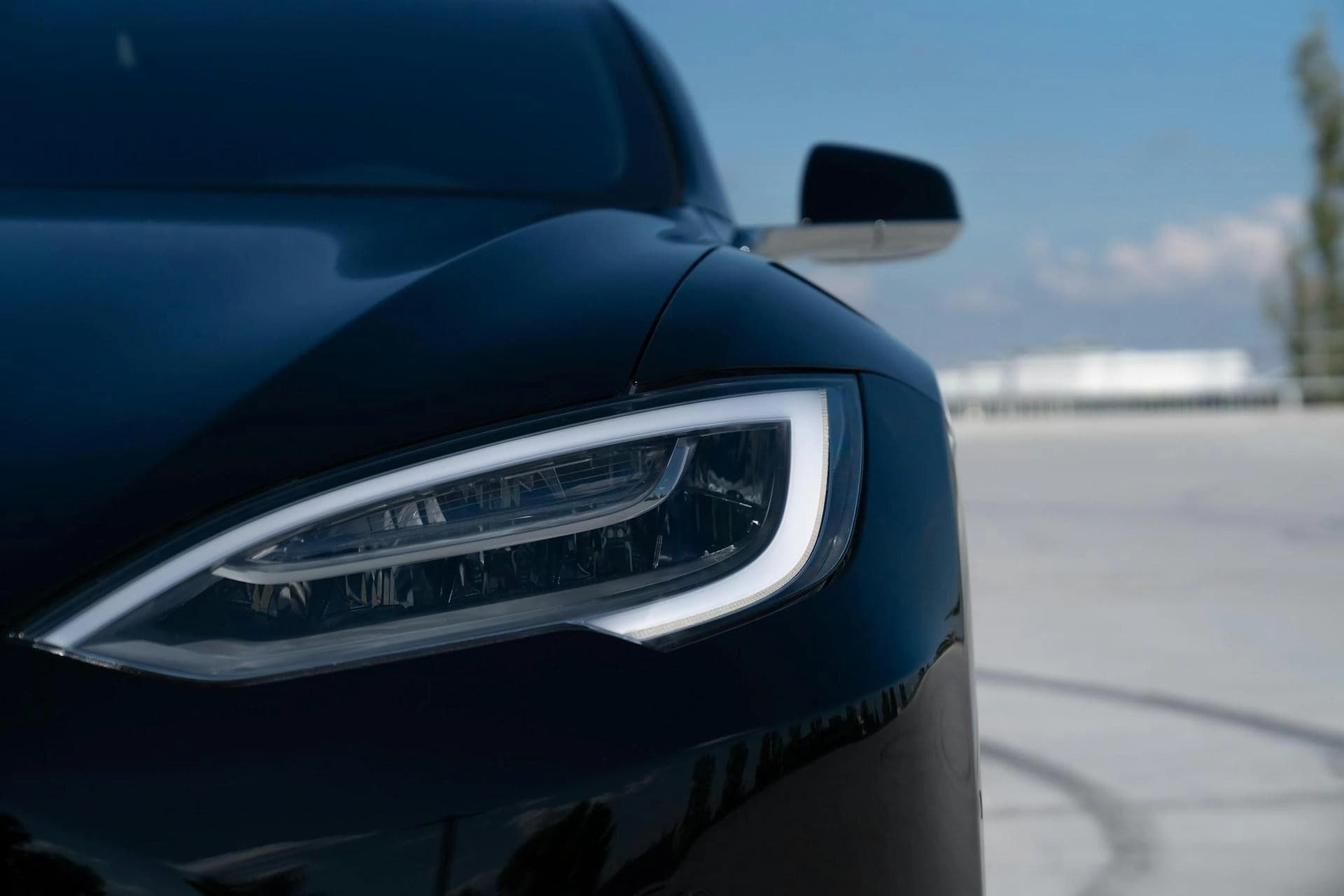
If you have been holding your breath waiting for a massive refresh of the Tesla Model S or Model X, you might want to exhale before you pass out. According to a bombshell report dropping out of Austin this morning, the wait isn’t just long—it is eternal. Multiple sources close to production planning have indicated that Tesla is officially pulling the plug on its flagship sedans and SUVs to clear the decks entirely for the Cybercab and the next-generation autonomous fleet.
It is a strange feeling, writing the obituary for a car that is technically still on sale, but the writing has been on the wall for a while now, has it not? In automotive years, the Model S is essentially a geological era. When it launched back in 2012, it was a spaceship dropped into a world of Toyota Camrys and gas-guzzling S-Classes. It didn't just compete; it embarrassed the establishment. It made electric cars cool, fast, and desirable in a way the Nissan Leaf never could. But in 2026, the S and X have become the neglected middle children of the lineup—overshadowed by the ubiquitous Model 3 and Y, and utterly eclipsed by the stainless-steel spectacle of the Cybertruck.
The logic here, as cold and robotic as it may seem, is purely financial. The Model S and X represent a tiny fraction of Tesla’s overall volume. They require their own dedicated production lines, unique parts bins, and specific assembly complexities (looking at you, Falcon Wing doors) that just don’t scale the way Elon Musk wants them to. With the company pivot toward the "Unboxed" assembly process and a total commitment to autonomy, these legacy luxury liners are simply taking up space that could be used for building millions of steering-wheel-free pods.
This is a pivotal moment for the industry. The Model S Plaid is still, by almost every metric, a performance monster. It can rearrange your internal organs at a stoplight and still carry your groceries home. Losing it means we are losing the last vestige of "Old Tesla"—the company that was trying to build the best driver’s car in the world, rather than the most efficient people-mover. It signals that the era of the "driver" at Tesla is truly winding down. The focus is no longer on how fast you can get from zero to sixty, but on how efficiently the car can drive itself while you doom-scroll on the center screen.
For the enthusiast, this stings a little. The Model S was the car that forced Porsche and Mercedes-Benz to wake up and smell the lithium. Without the Model S, there is no Taycan. Without the Model X, the EQS SUV probably looks even weirder than it already does. These cars set the benchmark. And while they haven't seen a sheet-metal redesign since the Obama administration, they have aged surprisingly gracefully. They are handsome, capable, and ridiculously fast. But "handsome and fast" doesn't seem to be the KPI at Tesla anymore. The new metric is "autonomous and scalable."
If you are currently sitting on the fence about buying one, this might be your two-minute warning. The used market for these vehicles is about to get very interesting. We are likely going to see a split: the well-maintained, low-mileage examples will become collector's items for the EV faithful, while the high-mileage abuse victims will depreciate into oblivion. If you are looking at a used one, be careful. These are high-performance machines with expensive hardware. A tool like Price360 is invaluable here—knowing the history and getting a visual read on the condition is critical when buying a discontinued flagship that can out-accelerate a Ferrari. You do not want to inherit someone else’s battery degradation or suspension nightmares just because you wanted to own a piece of history.
So, pour one out for the OGs. The Model S proved EVs could work. The Model X proved... well, it proved that doors can be overly complicated. But they changed the world. Now, they are being put out to pasture to make room for the robot uprising. It was a hell of a run.