The Federal Government is Finally Coming for Your Giant Truck Grille
Regulators propose new rules to lower hood lines and stop massive passenger vehicles from acting like heavy rolling walls.
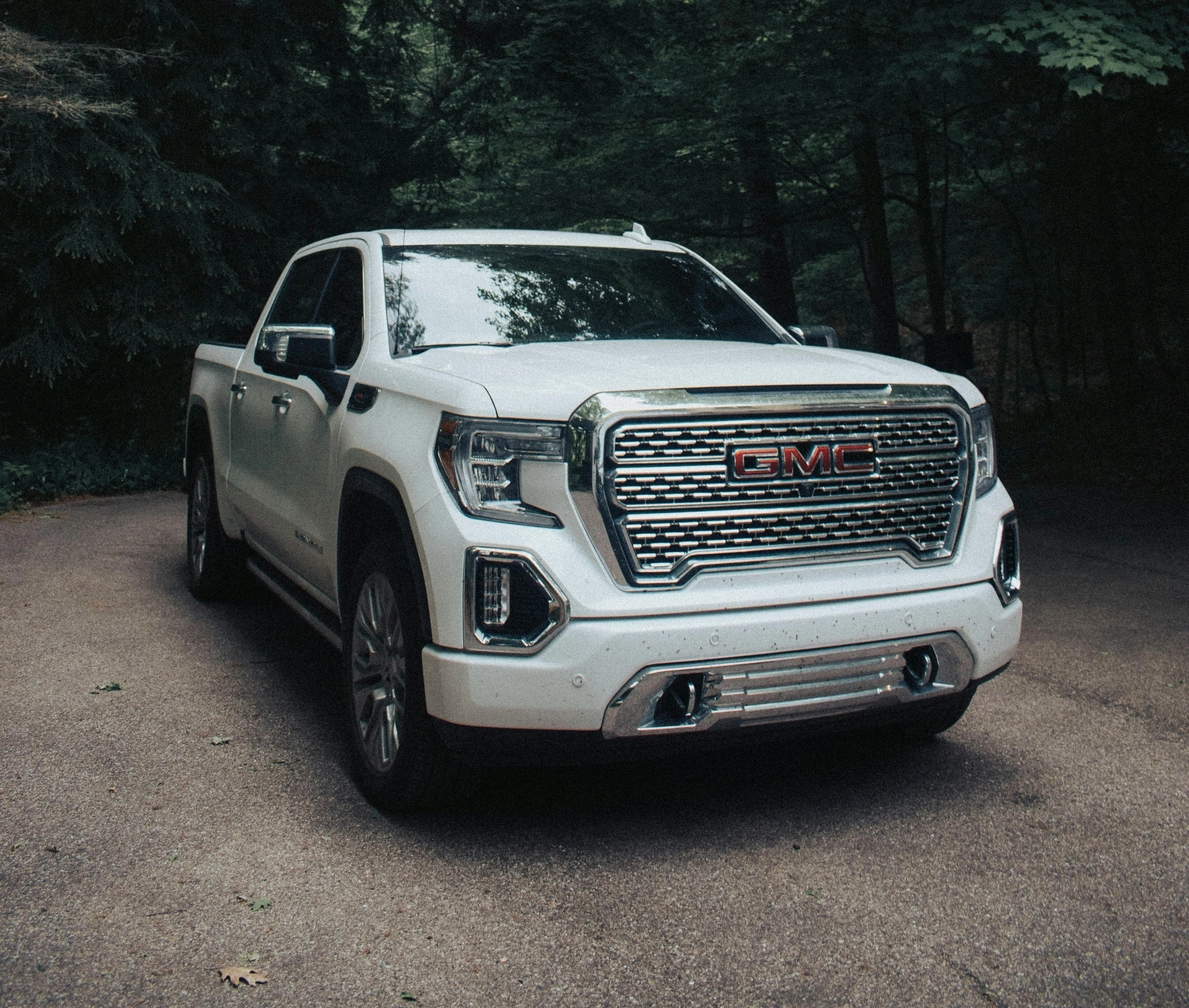
Take a walk through any modern retail parking lot and you will instantly notice a glaring trend. New pickup trucks and full size sport utility vehicles look incredibly aggressive. They feature towering front fascias, massive blocky grilles, and hood lines that sit high enough to easily obscure an average adult. This muscular automotive aesthetic has dominated vehicle design for the better part of a decade. Consumers clearly love the feeling of safety and road presence that comes exclusively with driving a rolling fortress. Unfortunately, physics dictates that a vehicle shaped roughly like a brick wall is spectacularly dangerous to anyone standing outside of it.
Federal safety regulators are officially attempting to change the physical shape of modern traffic. The National Highway Traffic Safety Administration has proposed a new safety standard specifically designed to target these towering front ends. The proposal aims to mandate definitively lower and sloped hood lines on passenger vehicles weighing under specific limits. The underlying logic here is incredibly straightforward and backed by massive amounts of crash research. If a pedestrian is struck across the front of a vehicle, the exact point of impact determines their likelihood of survival.
For several decades, traditional passenger cars had inherently lower hoods. In an unfortunate event where a sedan struck a person, the impact generally hit the knees or waist. The person would logically roll onto the flexible hood, which absorbed a portion of the kinetic energy. The injuries were always severe, but the mechanics of the crash offered a reasonable chance of survival. With modern oversized trucks and premium SUVs, a pedestrian is directly struck squarely in the chest, torso, or head. The blunt force trauma of a vast vertical grille pushes the victim violently backward or sucks them underneath the heavy turning wheels. National safety data has consistently shown a direct and undeniable correlation between these towering front ends and a heartbreaking spike in pedestrian fatalities.
The origins of this particular design arms race are fascinating to decode. Automakers did not purposefully set out to make dangerous road vehicles. They simply responded rapidly to consumer purchasing demands. Buyers financially rewarded vehicles that looked relentlessly tough and highly capable. A tall hood psychologically implies a massive torque engine and rugged durability, even if the vehicle is exclusively used for suburban pavement runs. Designers pushed the limits of styling to give everyday family haulers the exact visual intimidation factor of heavy construction machinery. It was an incredibly successful marketing strategy that slowly and surely transformed the landscape of our daily roadways.
Implementing this proposed government regulation will require a massive fundamental shift in how global design studios operate. Automotive engineers and stylists will have to collaborate closely to meet these strict new pedestrian safety metrics while maintaining brand identity. They can no longer rely on the easy visual trick of adding an extra foot of vertical plastic to the bumper to make a vehicle look appropriately aggressive. The immense upcoming challenge will be crafting vehicles that still deeply appeal to consumers visually but strictly adhere to a sleeker and much safer aerodynamic profile across the board.
Federal safety regulators are officially attempting to change the physical shape of modern traffic. The National Highway Traffic Safety Administration has proposed a new safety standard specifically designed to target these towering front ends. The proposal aims to mandate definitively lower and sloped hood lines on passenger vehicles weighing under specific limits. The underlying logic here is incredibly straightforward and backed by massive amounts of crash research. If a pedestrian is struck across the front of a vehicle, the exact point of impact determines their likelihood of survival.
For several decades, traditional passenger cars had inherently lower hoods. In an unfortunate event where a sedan struck a person, the impact generally hit the knees or waist. The person would logically roll onto the flexible hood, which absorbed a portion of the kinetic energy. The injuries were always severe, but the mechanics of the crash offered a reasonable chance of survival. With modern oversized trucks and premium SUVs, a pedestrian is directly struck squarely in the chest, torso, or head. The blunt force trauma of a vast vertical grille pushes the victim violently backward or sucks them underneath the heavy turning wheels. National safety data has consistently shown a direct and undeniable correlation between these towering front ends and a heartbreaking spike in pedestrian fatalities.
The origins of this particular design arms race are fascinating to decode. Automakers did not purposefully set out to make dangerous road vehicles. They simply responded rapidly to consumer purchasing demands. Buyers financially rewarded vehicles that looked relentlessly tough and highly capable. A tall hood psychologically implies a massive torque engine and rugged durability, even if the vehicle is exclusively used for suburban pavement runs. Designers pushed the limits of styling to give everyday family haulers the exact visual intimidation factor of heavy construction machinery. It was an incredibly successful marketing strategy that slowly and surely transformed the landscape of our daily roadways.
Implementing this proposed government regulation will require a massive fundamental shift in how global design studios operate. Automotive engineers and stylists will have to collaborate closely to meet these strict new pedestrian safety metrics while maintaining brand identity. They can no longer rely on the easy visual trick of adding an extra foot of vertical plastic to the bumper to make a vehicle look appropriately aggressive. The immense upcoming challenge will be crafting vehicles that still deeply appeal to consumers visually but strictly adhere to a sleeker and much safer aerodynamic profile across the board.
The secondary unseen benefit to lowering hood lines extends far beyond basic pedestrian safety metrics. Driver visibility out of the front windshield will also see a massive tactical improvement. Currently, the forward blind spots directly in front of many heavy duty trucks and luxury full size SUVs are astonishingly large. Drivers frequently struggle to see small parking bollards, concrete curbs, or even low obstacles sitting immediately ahead of their painted bumpers. Physically sloping the hood downward naturally expands the functional field of vision for the person sitting behind the steering wheel. It makes the entire vehicle inherently easier to maneuver accurately in tight urban parking structures.
This regulatory push smartly places the United States much closer to European safety standards, which have firmly mandated pedestrian impact protections for many consecutive years. It will likely take several years for these federal rules to finalize and fully filter into local dealership showrooms. The structural crash engineering of an entire front chassis takes serious developmental time to alter safely. Regardless of the exact timeline, the chaotic era of the comically large truck grille appears to be finally drawing to a close. Automakers will easily adapt through smart engineering, and our neighborhood roads will fundamentally become a substantially safer operating environment for everyone walking near them.
This regulatory push smartly places the United States much closer to European safety standards, which have firmly mandated pedestrian impact protections for many consecutive years. It will likely take several years for these federal rules to finalize and fully filter into local dealership showrooms. The structural crash engineering of an entire front chassis takes serious developmental time to alter safely. Regardless of the exact timeline, the chaotic era of the comically large truck grille appears to be finally drawing to a close. Automakers will easily adapt through smart engineering, and our neighborhood roads will fundamentally become a substantially safer operating environment for everyone walking near them.