The F-150’s Ghost in the Machine
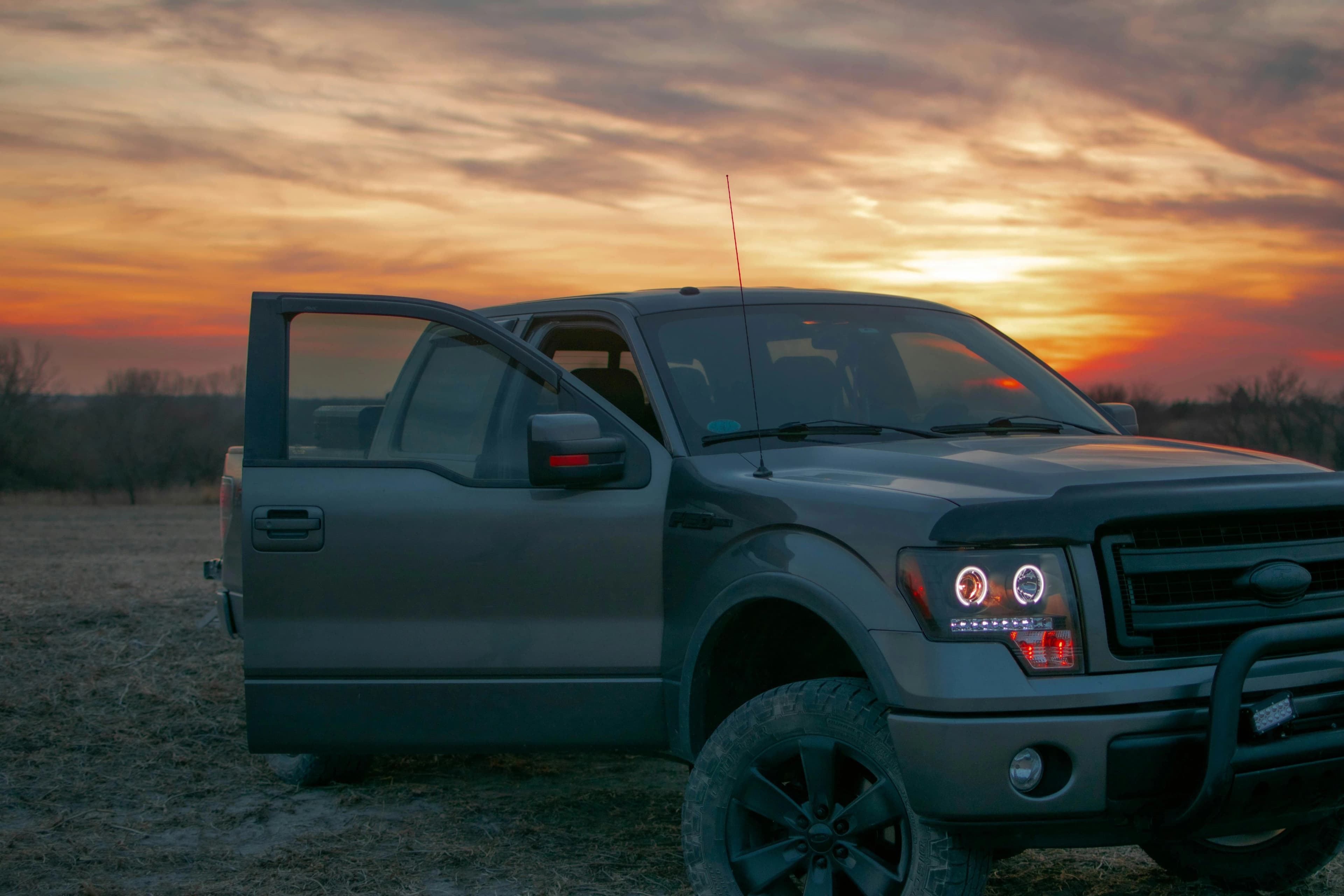
There is a specific kind of adrenaline that should be reserved for skydiving or realizing you left the stove on, not for your morning commute in a modern pickup truck. Yet, for a staggering number of Ford F-150 owners, the sensation of the world suddenly slowing down while the engine screams in agony has become a harrowing reality. The National Highway Traffic Safety Administration has officially turned up the heat, expanding its investigation into nearly 1.3 million Ford trucks due to a recurring nightmare involving unexpected downshifts into first gear. This is not a subtle mechanical hiccup; it is the automotive equivalent of a marathon runner suddenly deciding to do the literal splits mid-stride.
At the heart of the issue is a software and sensor logic failure that tells the transmission it is time to party like it is five miles per hour, even when the speedometer is buried deep into the legal limit of a Texas interstate. When a truck traveling at sixty miles per hour suddenly decides that first gear is the place to be, the rear wheels can lock up, sending the vehicle into a tailspin or, at the very least, giving the driver a very intimate look at the dashboard. Ford has been grappling with transmission woes for years, but the scale of this expansion suggests that the previous band-aid fixes might not have been enough.
The investigation now covers a massive swath of production years, putting a significant dent in the Built Ford Tough armor. While Ford is cooperating with the feds, the challenge lies in the complexity of modern ten-speed transmissions. These units are marvels of engineering, designed to keep engines in the power band and optimize fuel economy, but they rely on a delicate dance of electronic signals. When those signals get crossed, the mechanical consequences are violent. For the average consumer, this highlights the growing pains of an industry that is increasingly reliant on code over cables.
From a market perspective, this is a headache Ford really did not need. The F-150 is the golden goose of Dearborn, and any threat to its reputation for reliability is a threat to the bottom line. It is a reminder that while we all want trucks that can tow a small moon and return twenty-five miles per gallon, the fundamental requirement remains that the truck stays in the gear the driver expects. If you are currently shopping for a used truck and this news has you feeling a bit shaky about your prospects, you might want to check out OptiCar. It is a car marketplace where you can shop for millions of vehicles across the country, allowing you to filter through options and perhaps find something that has already had its recall work performed or simply look at alternatives that are not currently under the federal microscope.
Ultimately, the NHTSA’s move to expand this probe signals that a massive recall is likely on the horizon. Ford engineers are likely pulling all-nighters to figure out how to keep these trucks from ghost-shifting. Until then, owners are left holding the steering wheel a little tighter, hoping their gearbox does not decide to take an unscheduled trip down memory lane. It is a tough spot for a manufacturer that usually prides itself on knowing exactly what truck buyers need. In this case, what they need is very simple: a transmission that stays in tenth gear when it is supposed to.