The End Of The Idle Era
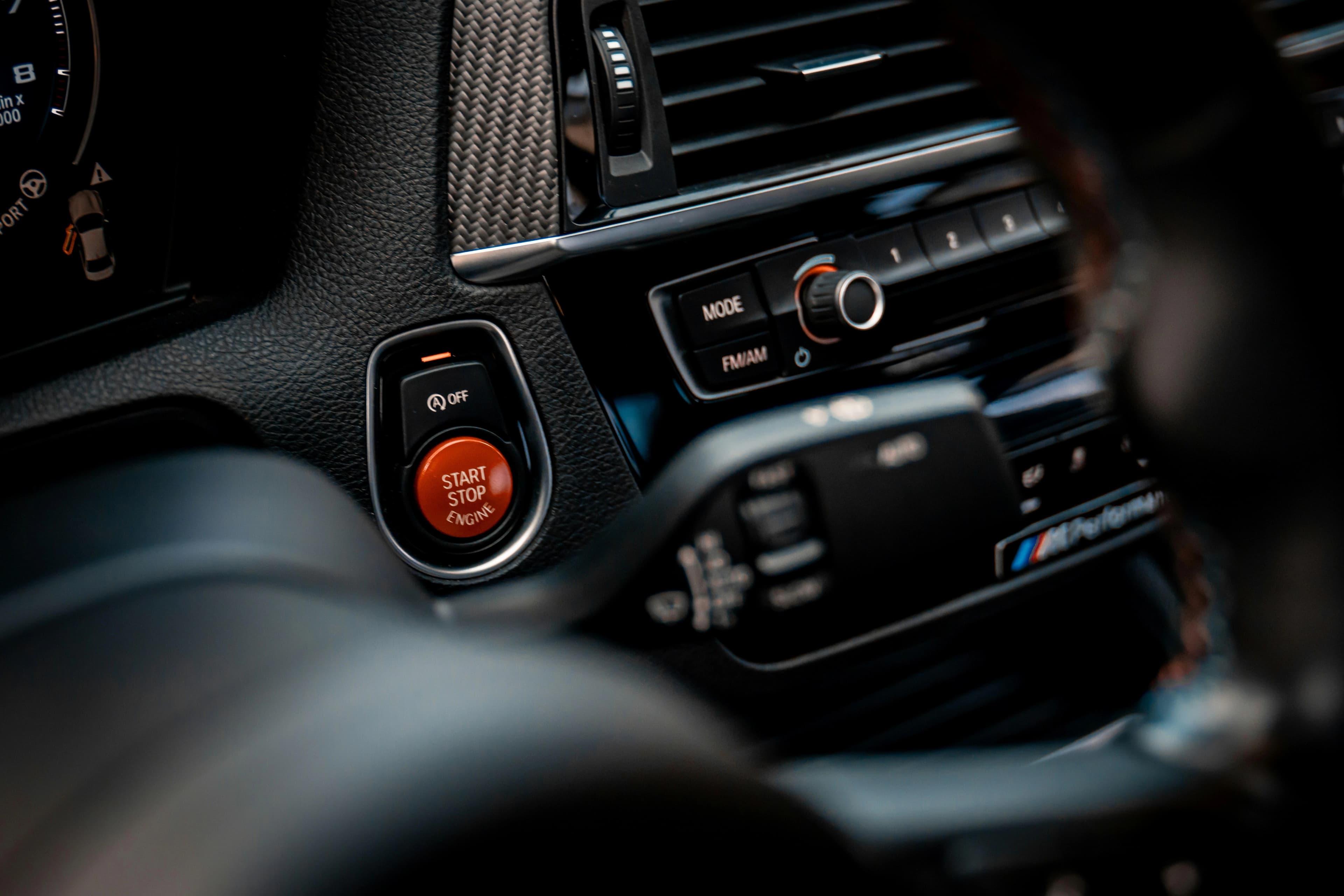
The automotive world is currently exhaling a collective sigh of relief, or perhaps just a very quiet hum, as the Environmental Protection Agency has officially pulled the plug on the off-cycle greenhouse gas credits for automatic start-stop systems. For those who have spent the last decade frantically reaching for the disable button the second they buckled their seatbelt, this is the equivalent of a legislative holiday. The EPA has realized what most drivers knew intuitively: the math on these systems never quite added up to the real-world benefits they were supposed to provide.
For years, manufacturers were essentially bribed with regulatory credits to install these systems. It was a neat trick for the balance sheet. By making a car shut itself down at every stop sign, a manufacturer could claim a tiny, incremental gain in fleet-wide fuel efficiency. These credits were a vital part of meeting increasingly stringent standards without having to re-engineer an entire powertrain. But the honeymoon is over. The new ruling effectively acknowledges that the complexity, wear on starter motors, and general driver annoyance outweigh the marginal carbon savings. It is a rare moment where the bureaucratic machine and the enthusiast's left thumb find themselves in total agreement.
Of course, this creates a fascinating conundrum for the industry. Without these easy-button credits, engineers have to find those efficiency gains elsewhere. We are likely to see an even more aggressive push toward mild-hybrid systems that can handle the stop-start transition with a bit more grace and actual electrical assistance. The clunky, shuddering restarts of the early 2020s are being relegated to the history books, which is a win for anyone who values a smooth idle. It also means that the window for purely mechanical, uncomplicated internal combustion is closing even tighter. If you want a car that stays on because you told it to, your options are moving rapidly into the premium or specialized enthusiast space.
This shift in policy highlights the constant tug-of-war between laboratory testing and the reality of the American commute. When these credits were first introduced, the goal was to incentivize any technology that could move the needle. Now, the needle has moved so far toward full electrification that these stop-start systems look like a quaint relic of a transitional period. Manufacturers who leaned too heavily on these credits as a crutch are now scrambling to adjust their 2027 and 2028 model year projections. It is a reminder that in the world of automotive regulation, the floor is always moving, and sometimes the simplest solutions are the first ones to be thrown out when the science evolves.
For the average consumer, this might lead to a brief period of confusion. You might notice that your next gas-powered SUV doesn't constantly try to play dead at every stoplight, but you might also notice the sticker price creeping up as manufacturers bake in more expensive hybrid hardware to compensate for the lost credits. If you are navigating this changing landscape and feeling a bit overwhelmed by the tech specs, OptiCar is a great place to compare how different models are handling the transition. It is a lot easier to see which brands are innovating and which ones are just reacting when you have millions of vehicles to cross-reference in one place.
Ultimately, the death of the start-stop credit is a victory for transparency. We are moving toward a period where a car's efficiency rating has to be earned through genuine engineering breakthroughs rather than clever regulatory accounting. It marks the end of an era where a software tweak and a heavy-duty starter were enough to satisfy the EPA. As we look toward the 2030s, the industry is being forced to be more honest about what it takes to keep the world moving. It might be a slightly more expensive road, but at least we won't have to deal with our engines cutting out right when the light turns green.