The Disappearing Test Drive: Why Dealers Are Locking the Keys in Late 2025
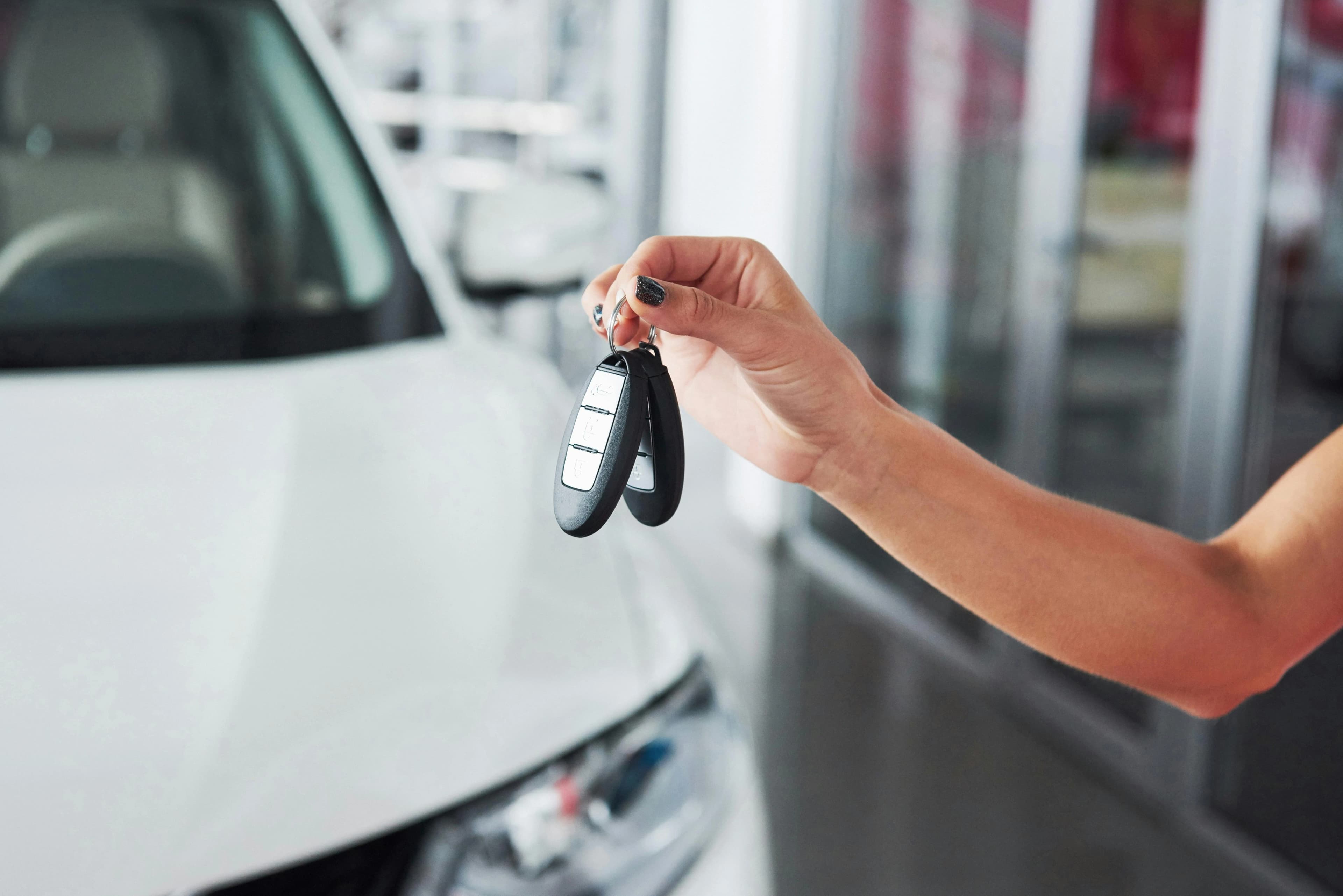
Walking into a car dealership in late 2025 feels less like entering a showroom and more like passing through a TSA checkpoint. If you have spent any time on automotive forums or social media this December, you have likely seen the growing chorus of complaints from frustrated shoppers. The "open key" policy that once defined the American car-buying experience is evaporating. In its place, we are seeing a rigid landscape of appointment-only schedules, mandatory background screenings, and ride-alongs that make a simple twenty-minute loop feel like a supervised parole hearing. While it might seem like dealers are just being difficult, the reality is a complex mix of soaring vehicle values, insurance nightmares, and a desperate need to protect paper-thin margins.
The most immediate factor driving this shift is the staggering price of admission. As of mid-December 2025, the average transaction price for a new vehicle in the United States has climbed toward the $50,000 mark. When even a basic crossover represents such a massive capital investment, dealerships are no longer willing to treat their inventory as a public playground. Every mile put on an odometer during a "just looking" test drive is a mile that ticks away at the vehicle's resale value. In a market where inventory levels have finally stabilized but interest rates remain high, a car that sits on the lot with 200 "demo miles" becomes a liability that requires a discount to move. To avoid this, many stores are now capping test drives at five miles or less, turning what should be a thorough evaluation into a quick sprint around the block.
Security concerns have also reached a fever pitch this year. The industry is still reeling from a wave of sophisticated "test drive thefts" where bad actors use synthetic identities or high-quality forged documents to walk off with high-value vehicles. These are not your standard smash-and-grab operations; these are professional thefts that have caused dealership insurance premiums to skyrocket by nearly 20 percent in 2025 alone. To keep their coverage, many dealers have been forced by their underwriters to implement strict "no-solo" policies. This means that even if you are looking at a base-model economy car, you can expect a salesperson to be in the passenger seat. The era of taking a car home for the night to see if it fits in your garage or how the headlights perform on your local backroads is effectively over for anyone who is not a repeat, high-tier customer.
This shift is quietly changing the car-buying experience in a way that most buyers do not realize until they are already standing on the showroom floor. The "discovery" phase of shopping—where you drive three different models to see which one speaks to you—has been pushed entirely into the digital realm. Dealers now expect you to have done your research, watched the YouTube reviews, and secured your financing before you even ask for the keys. The test drive has transitioned from a tool for decision-making to a final verification step before the ink dries on the contract. It is a friction-heavy process that favors the "high-intent" buyer but alienates the enthusiast who just wants to feel the steering weight of a new chassis.
For the consumer, the advice for late 2025 is clear: treat the test drive like a formal interview. Call ahead to schedule a specific window, bring your insurance binder and a physical copy of your license, and be prepared to explain exactly why you are interested in that specific VIN. The days of the "look and see" are behind us. While we can understand the financial pressures that have led dealers to this defensive crouch, it is hard not to miss the freedom of the open road and a pocket full of possibilities.