The Food Delivery Run That Put A Tesla Driver Behind Bars
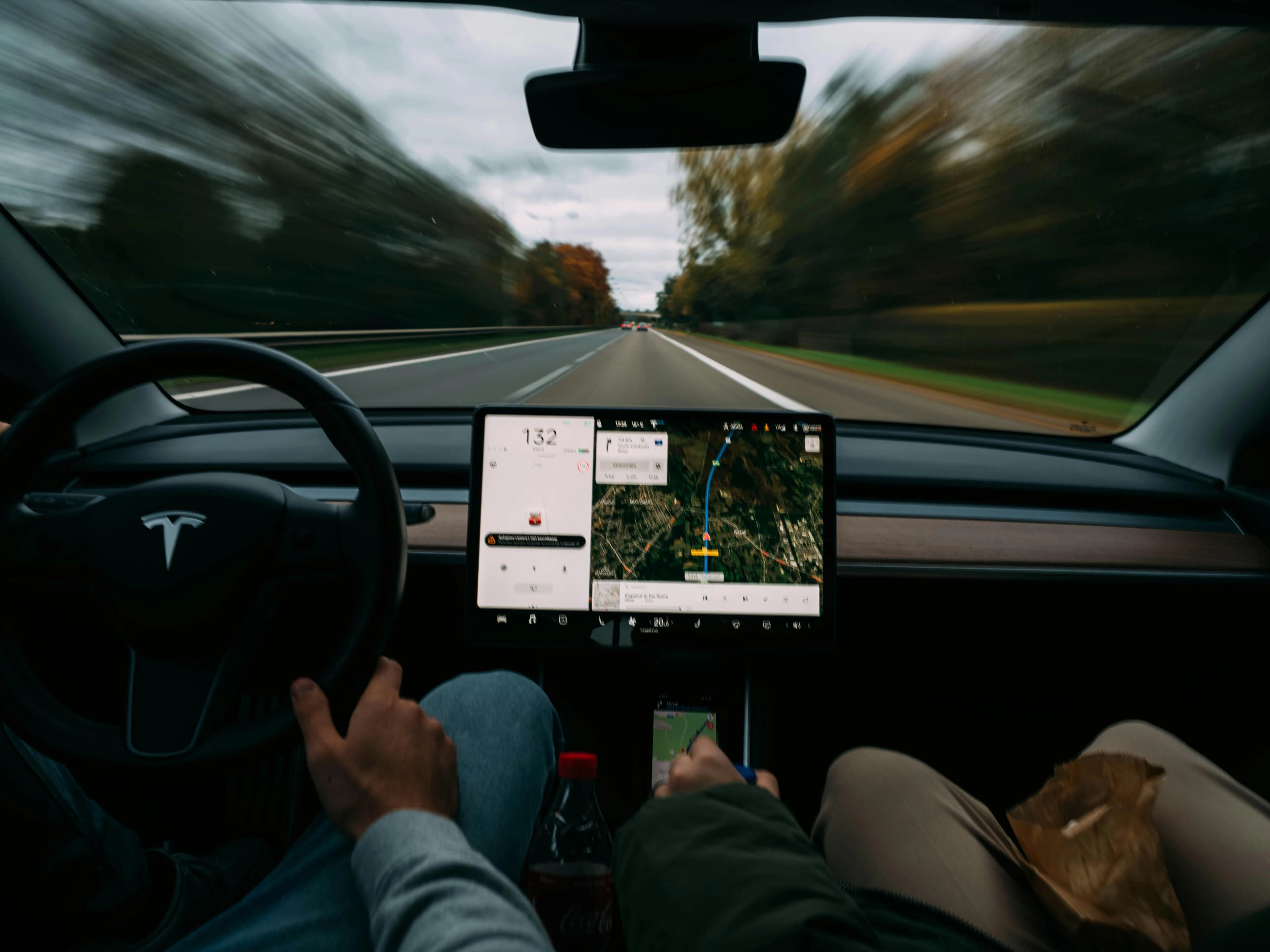
When you hand over the reins of a two-ton machine to a complex suite of cameras and code, the lines of accountability can blur in unpredictable ways. That blurry line recently came into sharp, tragic focus in Katy, Texas, where a local man is now facing a manslaughter charge after his electric sedan launched off a residential street and into a private home. The crash claimed the life of a 76-year-old grandmother and threw yet another wrench into the ongoing debate over advanced driver-assistance systems. While the human behind the wheel pointed the finger at the self-driving computer, vehicle data and investigators have painted a vastly different picture of what went down on that fateful delivery run.
The incident unfolded in mid-June when the driver, a 44-year-old out making food deliveries, veered off the road and struck the brick exterior of a house. The homeowner tragically succumbed to her injuries at a nearby hospital not long after. When first responders arrived, the driver reportedly claimed the vehicle was operating in its highest automated mode and that he had passed out while fiddling with the central touchscreen to change a track. Passing out at the wheel is a terrifying prospect on its own, but the data logs quickly turned this from a tragic medical mystery into a serious criminal investigation.
According to court filings and the arrest affidavit, the electronic black box inside the car told a completely different story. The investigation revealed that the vehicle reached a staggering 73 miles per hour in a quiet suburban neighborhood where the speed limit was likely half that. More importantly, the data showed multiple physical inputs on the accelerator pedal in the moments leading up to the collision. At the point of impact, the driver had allegedly pinned the accelerator to the floor, manually overriding any speed limitations the software might have had in place. To make matters worse, there was absolutely zero braking input recorded in the entire minute before the crash.
Automaker executives were quick to defend their tech, pointing out that their advanced software packages are designed to navigate residential streets at slow, cautious speeds. Their telemetry engineers confirmed that a manual override occurred because a human foot physically buried the throttle. This raises a fascinating and critical issue for the modern automotive landscape. We live in an era where vehicles can perform incredible feats of lane-keeping and traffic navigation, but ultimate authority always rests with the person in the driver seat. If a human forcefully commands the car to accelerate, the car will happily obey, regardless of what the autonomous safety nets are trying to do.
It is a stark reminder of the sheer responsibility involved in piloting modern vehicles. Whether you drive a decades-old beater or a space-age commuter, the physics of speeding down a neighborhood street remain identical. You simply cannot tune out and expect a silicon chip to save the day when your foot is actively demanding more speed. Toxicology reports showed no signs of alcohol or street drugs in the driver, leaving old-fashioned human error and extreme distraction as the prevailing factors here.
The case will now make its way through the Texas legal system, with the driver currently facing serious consequences for that split-second sequence of events. Whatever the courtroom outcome, this saga serves as a monumental wake-up call for enthusiasts and casual commuters alike. Semi-autonomous features are extraordinary tools that can drastically reduce fatigue on long highway stretches, but they are absolutely not a license to check out of reality. When you sit in the captain chair, you are the captain. No amount of software updates or clever marketing changes the fundamental rule of the road. Keep your eyes up, keep your feet sorted, and never forget that a machine will ultimately do exactly what you tell it to do.