The 'Condition Gap' Is the New Dealer Nightmare Before Christmas
If you walked into a dealership in December 2021, you were practically grateful if the used crossover you were overpaying for had four wheels and a steering wheel that mostly pointed straight. You signed the papers, took the keys, and didn't ask questions about that weird smell in the backseat because, frankly, you were lucky to get a car at all. The bar was on the floor. Actually, the bar was buried in the basement.
Fast forward to today, December 10, 2025. The script hasn’t just flipped; it has been rewritten, directed by Stanley Kubrick, and edited for maximum tension. We are witnessing the rise of what industry analysts are calling the "Condition Gap," and it is absolutely wreaking havoc on dealer floor plans during what should be their busiest sales month of the year.
Here is the situation on the ground: The used market has bifurcated in a way we haven't quite seen before. On one side, you have the "creampuffs"—vehicles with immaculate service records, pristine paint, and tires that still have the little rubber nubs on them. These units are flying off the lot faster than free shrimp at a press junket. On the other side? Everything else. And I do mean everything.
Dealers across multiple states are reporting a massive spike in "walk-aways" on vehicles that, historically, would have sold without a hitch. We are talking about cars with minor cosmetic wear, questionable tire tread depth, or the dreaded "incomplete reconditioning" status. In the past, a salesperson might have said, "We owe you a detail and a wheel alignment," and the customer would sign. Now? That customer is pulling up an AI-powered scan summary on their phone, pointing out a 4% variance in panel gaps, and walking out the door.
This isn't just picky shoppers being difficult; it is a fundamental shift in consumer leverage and expectation. Digital transparency has armed the average buyer with a terrifying amount of data. Shoppers are demanding digital inspection reports and photos of the underbody—yes, the underbody—before they even agree to a test drive. They want proof of recent service work that goes beyond "we checked the fluids." They want to see the RO (Repair Order) for the reconditioning process. They want to know if the brake pads are ceramic or semi-metallic. They are becoming forensic accountants of vehicular decay.
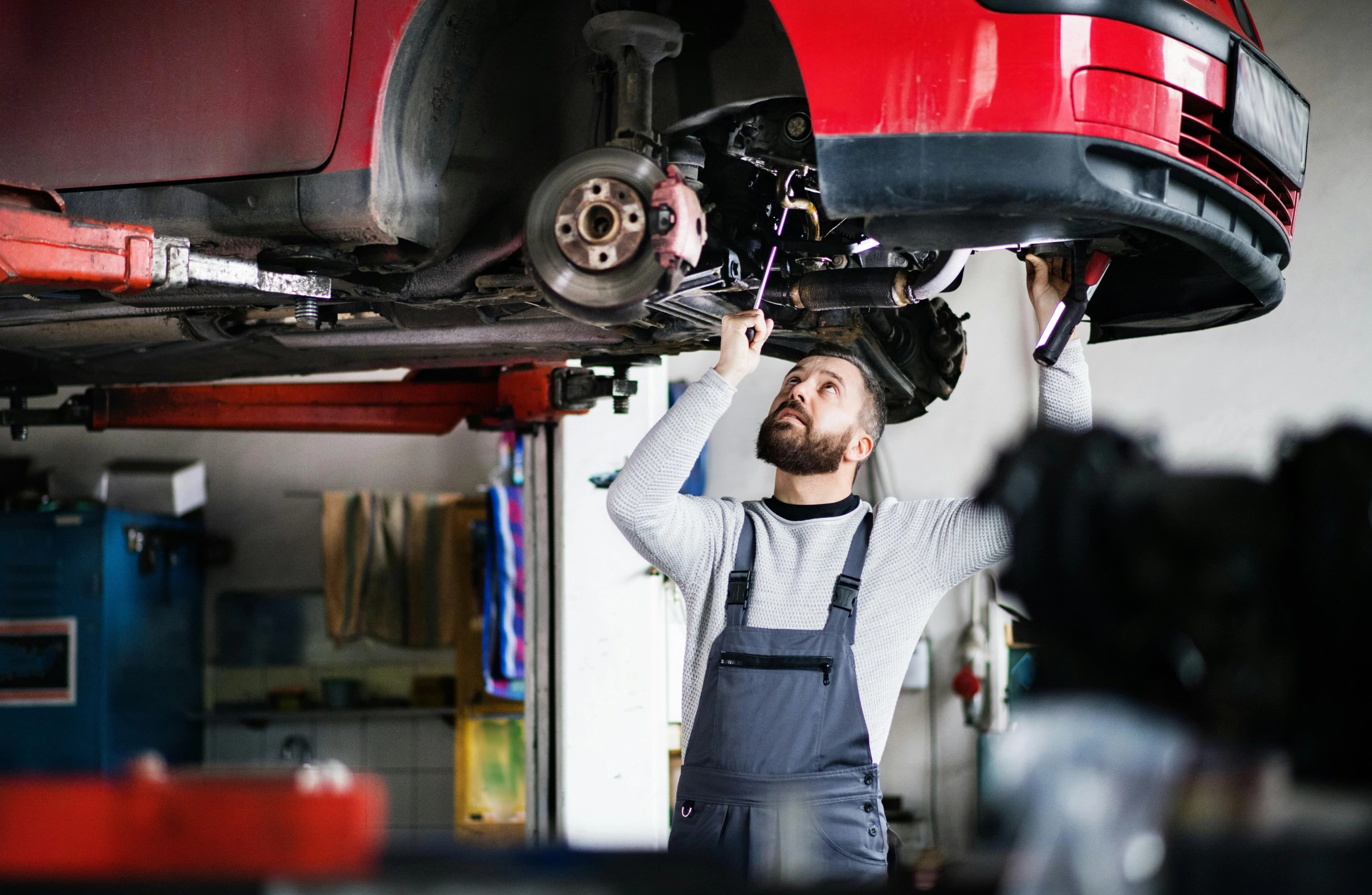
For dealers, this creates a massive logistical headache. To move metal this December, they are having to overhaul their reconditioning standards overnight. That "average" condition lease return sitting on the back lot is no longer an asset; it’s a liability accumulating interest. Dealers are forced to decide whether to spend the money to bring a mediocre car up to "concours" standards—spending $1,500 on paint correction and tires for a Toyota RAV4—or wholesale it and take the loss.
This phenomenon is creating a widening "condition gap" between clean units and average ones. The clean units are commanding premiums that defy logic, while the average units are rotting. It’s putting immense pressure on service departments, which are already slammed, to turn cars around faster and to a higher standard.
What’s driving this? Money. Interest rates, while stabilizing, are still high enough that buyers feel they are paying a premium for any car. If you are going to pay $600 a month for a used car, you feel entitled to a car that doesn't look used. It’s a psychological barrier. When money was "free" at 1.9% APR, you could overlook a door ding. At 7% or 8%, that door ding looks like a personal insult.
The "Condition Gap" is essentially squeezing the middle of the market out of existence. You either have the perfect car that commands a premium, or you have a "fixer-upper" that nobody wants unless it's dirt cheap. The days of the "honest, average used car" seem to be pausing for a very chaotic intermission. If you are shopping this month, you have more power than you think—but only if you are willing to walk away when the tires don't match the glossy photos. And for the dealers reading this: Maybe it’s time to stop just "hosing them off" and actually fix the dent in the bumper.