The ‘Clean’ Used Car That Isn't: Why Early-2026 Listings Are Hiding the Dirty Work
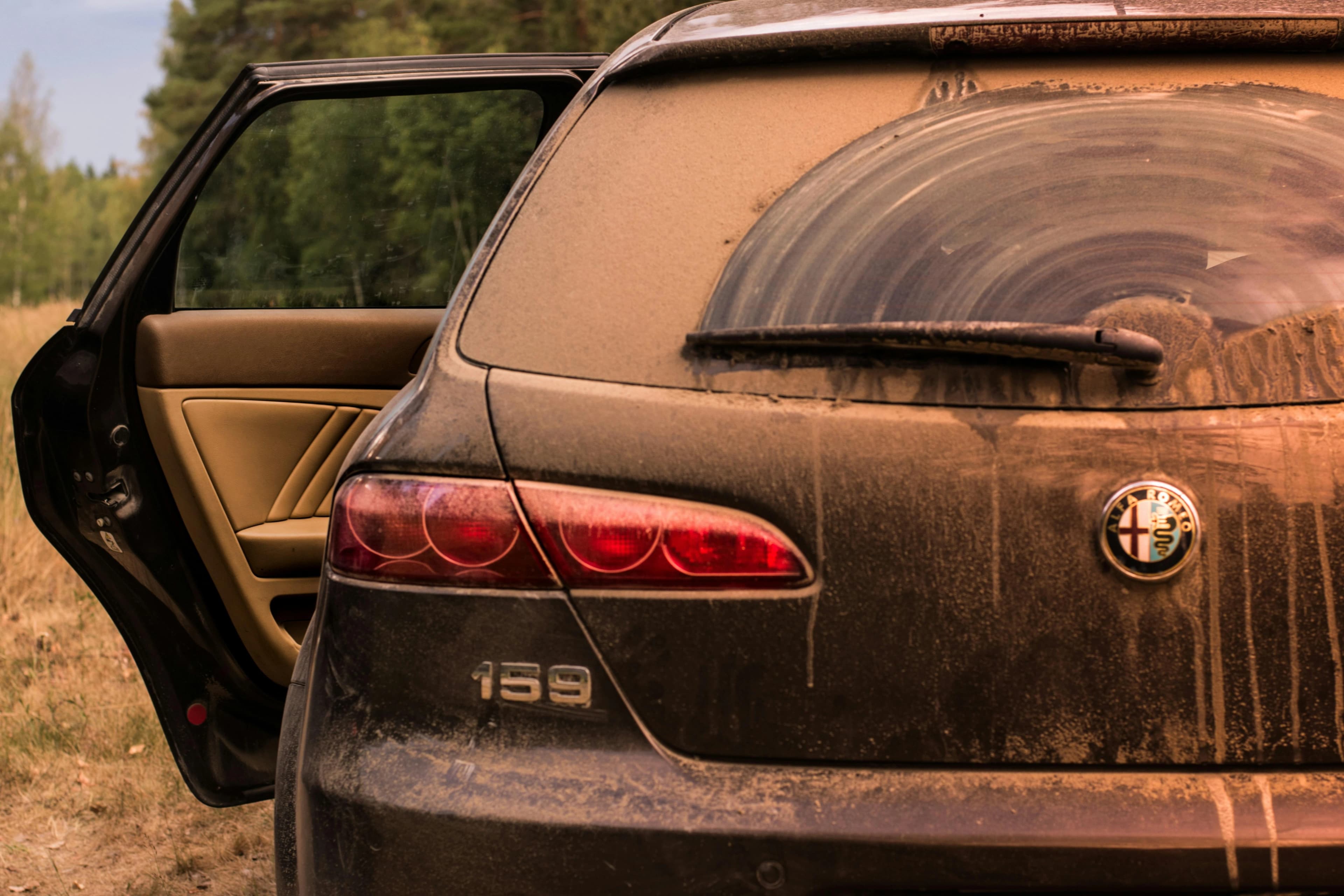
If you have spent the last few weeks of 2025 doom-scrolling through used car listings, you might have noticed a subtle shift in the vibe. It isn't just the usual end-of-year clearance panic or the strange desire to buy a convertible in freezing temperatures. It is something deeper in the fine print. We are seeing a distinct rise in vehicles listed as "clean," "serviced," or "dealer-reconditioned" that, upon closer inspection, are really just "washed."
Welcome to the era of Deferred Reconditioning. It is the automotive equivalent of a landlord painting over a light switch and calling the apartment "renovated."
Throughout December, industry chatter has highlighted a growing trend where the costs of reconditioning—fixing those squeaky brakes, replacing the bald tires, or addressing that mysterious rattle—are vanishing from the dealer’s ledger and reappearing in the buyer’s lap. It is not necessarily that dealers are out to get you in some mustache-twirling villainy. The reality is remarkably boring and economic. Margins are tight. Parts availability is still occasionally weird. And frankly, if a dealer puts $2,500 into making a five-year-old crossover perfect, they have to price it $2,500 higher than the guy down the street who didn't touch a thing.
The problem, of course, is the language. The adjectives haven't changed, but the reality has. A car listed as "clean" in 2023 usually meant it had new pads and rotors. In late 2025, "clean" increasingly just means they threw away the previous owner's fast-food wrappers.
This matters because it changes the math on what constitutes a "good deal." You might think you are snagging a bargain on a 2022 sedan, only to find out during your first oil change that you are on the hook for the 30,000-mile service the listing implied was done. The out-the-door price looks great, but the ownership cost for the first three months is a disaster. It is a transparency gap that turns excitement into buyer’s remorse faster than a CVT transmission drone.
So, why now? The end of the year is always a scramble to move metal. Dealers want inventory off the books before the calendar flips. In previous years, that meant slashing prices. This year, with inventory costs still stubborn, they are slashing the prep work instead to keep the advertised price attractive. It is a survival tactic for them, but a minefield for you.
This is where the informed enthusiast has to step up their game. We can’t just kick tires anymore; we have to interrogate them. When you are looking at photos, stop looking at the shiny paint and start zooming in on the pedal wear, the steering wheel texture, and the condition of the inner fender liners. Those are the tell-tales that a detail team can’t mask with spray wax.
Better yet, this is exactly the scenario where modern tech has to replace the old "trust me, bro" handshake. You need data that cuts through the marketing fluff. Tools like Price360 are becoming essential here, offering AI-powered visual inspections that can spot damages or inconsistencies in vehicle history that the naked eye—or a carefully cropped photo—might miss. Knowing exactly how much that door ding or those worn control arms will cost to fix gives you the leverage to negotiate the real price, not just the sticker price.
The takeaway isn't to stop buying used cars. It is to stop assuming "retail ready" means the same thing to the seller as it does to you. As we head into 2026, the smartest buyers will be the ones who treat every "clean" listing as a rough draft, not a finished product. If the ad says the car is perfect, assume it’s a typo until you have seen the service records.