The Chevy Bolt Returns from the Grave, and It’s Bringing Supercharging (Sort Of)
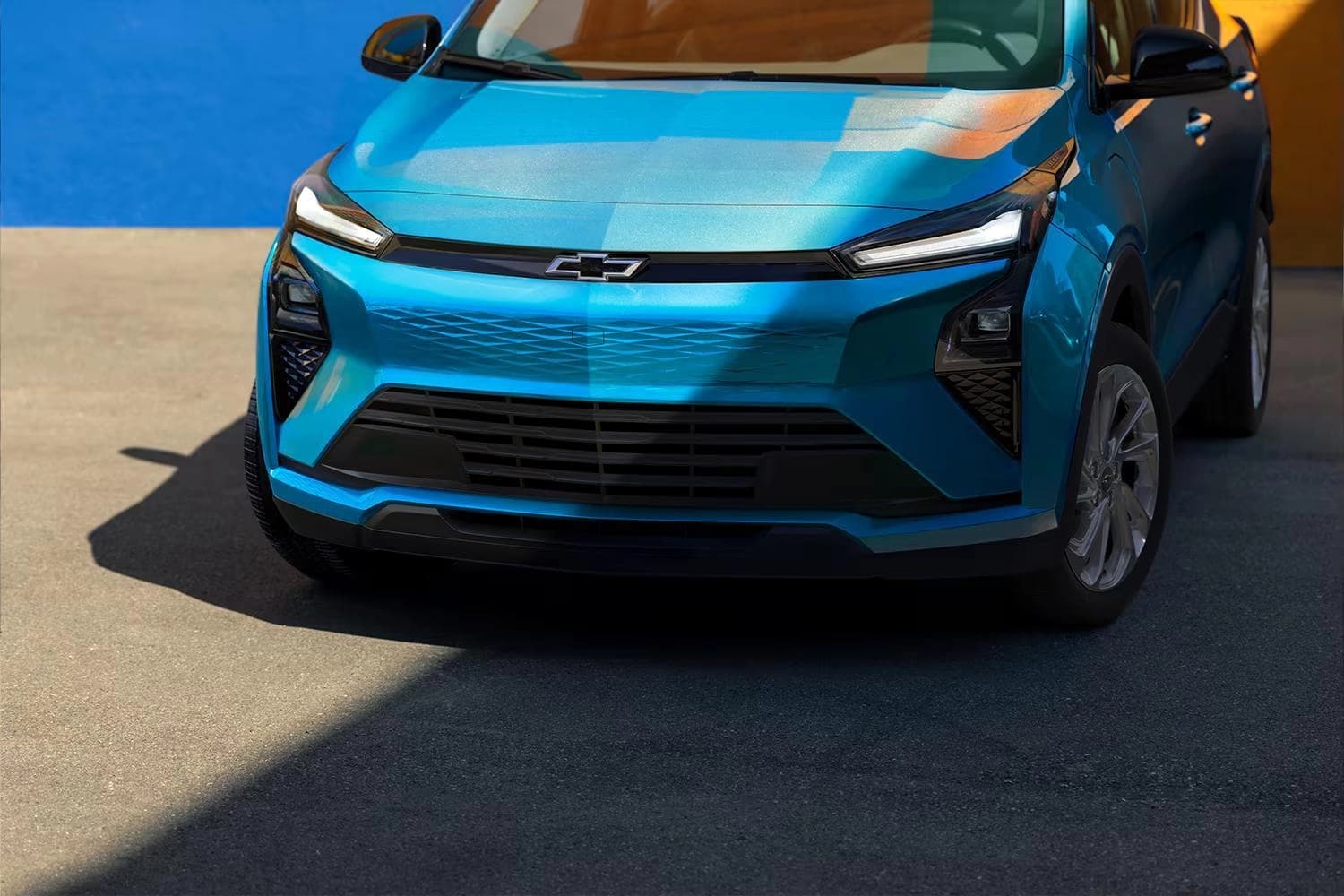
If the automotive industry were a slasher film franchise, the Chevy Bolt would be the unkillable villain. It is the Michael Myers of affordable electric vehicles—every time you think it’s dead, buried by a new corporate strategy or a glitzy Ultium platform reveal, it sits back up in the background, knife in hand, ready to slash prices. Just when we thought General Motors had successfully pivoted entirely to its shiny, expensive behemoths like the Silverado EV and the Hummer—vehicles that weigh as much as a small moon and cost as much as a small house—the automaker pulled a surprise U-turn at the LA Auto Show this week: The Bolt is coming back. Again. And honestly? It might be the most important car GM sells for the rest of the decade.
Officially confirmed for the 2027 model year, the next-generation Bolt isn’t just a lazy rehash of the lovable egg-shaped hatchback that won our hearts (and budget comparisons) years ago. GM has promised to fix the one glaring, fatal flaw that kept the original Bolt from total world domination: the excruciatingly slow charging speed. The original Bolt was a fantastic city car—zippy, spacious, and cheap—but taking it on a road trip required the patience of a saint and the scheduling skills of a logistics coordinator. It topped out at 50 kW charging, which in 2025 terms is basically a trickle. You could age visibly while waiting for a Bolt to hit 80% at an Electrify America station, watching Ioniq 5s and Taycans cycle through twice in the time it took you to get enough juice to reach the next exit.
The new model, however, is finally joining the modern era. It will utilize North American Charging Standard (NACS) ports right out of the factory—no dongles required, thank you very much—and promises charging speeds roughly 2.5 times faster than its predecessor, peaking around 150 kW. For those keeping score, that means a 10-80% charge in about 26 minutes. That is a game-changer. It transforms the Bolt from a "second car for groceries" into a legitimate primary vehicle. You might actually finish a road trip in the same calendar week you started it. GM estimates a range of 255 miles, which is essentially identical to the old car, but with the faster charging curve, those miles become significantly more usable. It’s not just about how far you can go; it’s about how fast you can get back on the road once you stop.
This is a massive strategic pivot for GM, and frankly, a necessary one. The recent cooling of the EV market has shown that while people are interested in electric cars, they aren’t interested in six-figure electric trucks or $70,000 crossovers that look like spaceships. The average American buyer is screaming for affordable, reliable transportation that doesn't require a second mortgage. The Bolt was the only car in GM’s stable that truly fit that description. By bringing it back on a cost-effective iteration of the Ultium platform (using LFP battery chemistry to keep costs down), GM is admitting that the lower end of the market is where the volume actually lives. They are effectively eating their humble pie, and it tastes like Lithium Iron Phosphate.
This move also signals a retreat from the "bigger is better" mentality that has plagued the domestic automakers. For years, the strategy was to build high-margin luxury EVs to fund the transition. But the market has spoken, and it turns out there aren't enough people willing to pay $90,000 for a Cadillac Lyriq to sustain the business. The return of the Bolt is a concession that affordability is the only true path to mass adoption. It places Chevy directly in the crosshairs of the upcoming affordable Tesla models and the potential wave of Chinese EVs (tariffs notwithstanding).
Inside, the new Bolt is getting a significant glow-up to match its new internals. We’re talking a massive 11.3-inch infotainment screen running Google built-in. This matters because it means your maps will actually know where the chargers are and—crucially—precondition the battery before you get there, optimizing that new charging speed. There is also a new "RS" trim, because apparently, we need sporty badges on everything now, even budget electric hatchbacks. It adds a flat-bottom steering wheel and some red stitching, which adds exactly zero horsepower but looks nice in the brochure. It’s a silly trend, but if it helps someone justify trading in their GTI for an EV, so be it.
Critics might argue that announcing a 2027 model in late 2025 feels a bit like promising a diet starts "next Monday." It’s fair to be skeptical of GM’s timelines, considering the delays that plagued the Blazer EV launch. But the market significance is undeniable. By committing to the Bolt nameplate, GM is admitting that brand equity in the EV space is rare and valuable. They spent a decade convincing us that "Bolt" meant "Good, Cheap EV," and throwing that away to launch a new nameplate would have been a strategic fumble of epic proportions. With the Tesla "Model 2" still largely a vaporware rumor and VW retreating from the US small car market, the door is wide open for the Bolt to reclaim its throne as the King of the Normies.
So, welcome back, little buddy. We missed you. Please don’t catch fire this time.