The "Build-Your-Own" Mirage: Why Automakers are Quitting the Custom Dream
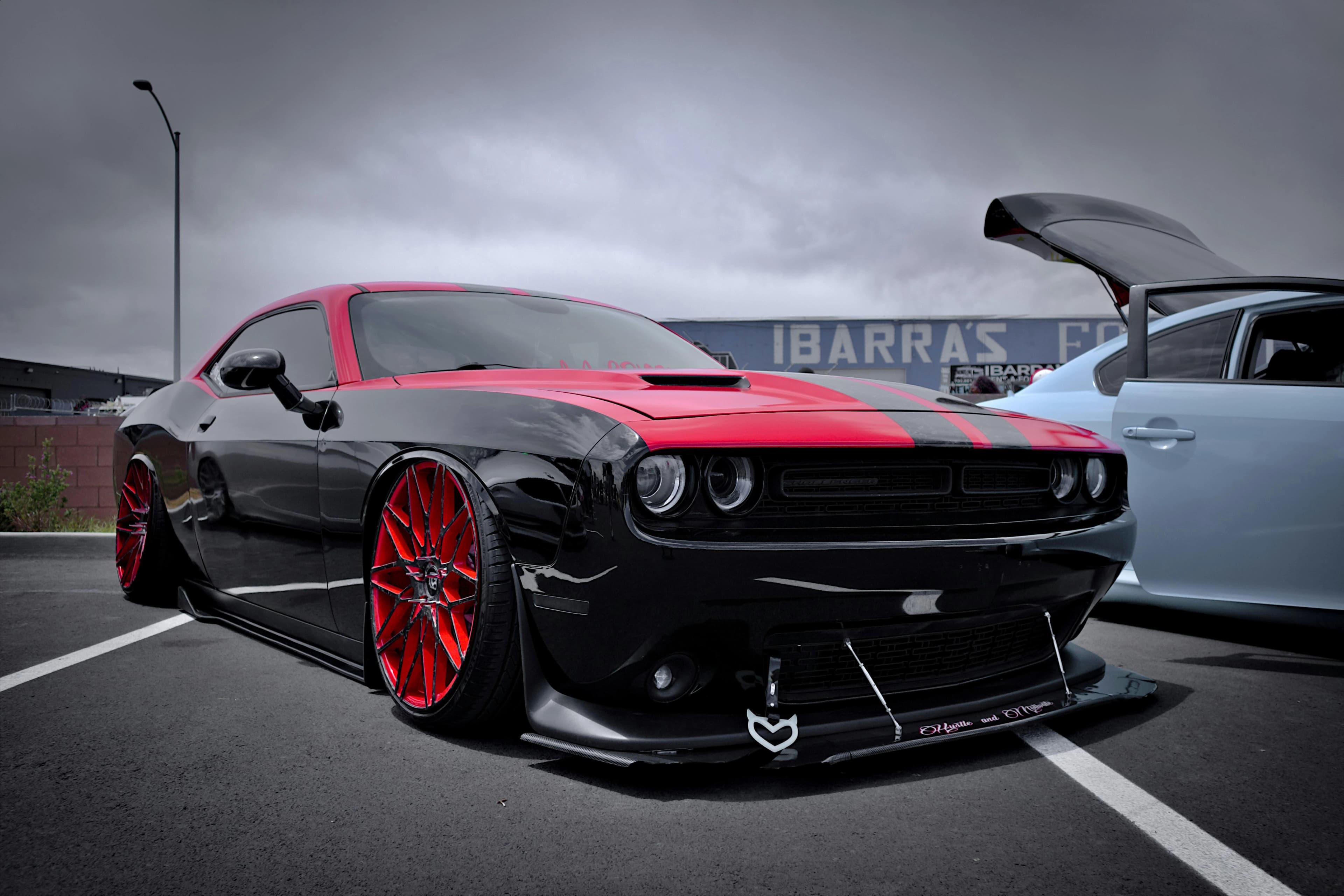
Cast your mind back to 2021. The world was short on chips, dealer lots were as empty as a theater during a flop, and every OEM executive with a microphone was promising a "New Paradigm." The dream was beautiful: you’d sit on your couch, click through a digital configurator to build your perfect, purple-tinted, manual-transmission wagon, and the factory would build it just for you. No more settling for the "White-on-Beige" SUV that happened to be sitting in the sun in Duluth. We were going to be a "Build-to-Order" society.
Fast forward to late 2025, and that dream has been quietly tucked into the same drawer as the flying car and the $25,000 EV. Automakers are aggressively walking back their custom-order promises in favor of "hybrid inventory models." If you go to a configurator today, you’re less likely to be "ordering" a car and more likely to be "matching" with something that is already on a boat or sitting in a regional distribution hub.
Why the retreat? It turns out that the physics of global logistics and the psychology of the American consumer are much harder to disrupt than a Silicon Valley pitch deck suggests. First, let’s talk about the "Logistics Reality Check." In 2025, shipping costs and trade volatility have made the "Just-in-Time" custom model an absolute nightmare. With tariffs fluctuating and regional supply chains under pressure, OEMs have found that it’s 20% cheaper to build 10,000 identical "High-Trims" and ship them in bulk than it is to track 10,000 unique snowflake builds through the system.
Then there’s the dealer factor. While some luxury brands can make the boutique model work, the average Ford or Toyota dealer survives on volume. A custom-ordered car that a customer backs out of is a liability. If someone orders a Neon Green truck with a base-model interior and then loses their job before delivery, that truck will sit on the lot for 200 days. Dealers hate "orphaned" custom builds, and they’ve been pressuring manufacturers to return to the safety of "Option Packages" rather than "A-La-Carte" choices.
Consumer behavior also played a role. We like to think we’re patient, but we’re not. Data from the 2025 holiday season shows that while 60% of buyers say they want to custom order, 85% end up buying something off the lot because they don't want to wait twelve weeks for a steering wheel heater. We are a "take it home today" species, and the industry has finally accepted that.
The "Hybrid Inventory Model" is the industry’s clever compromise. Instead of building for you, they build for the region. They use AI to predict that people in New England want heated seats and AWD, then they park those cars in a massive lot in New Jersey. When you "order" one, it arrives in three days instead of three months. It’s custom-ish. It’s build-to-order... with an asterisk.
If you’re tired of the inventory guessing game and just want to see what’s actually available across the country right now, OptiCar is the answer. As a marketplace that lets you shop millions of vehicles, it cuts through the "order now" marketing fluff and shows you the real metal sitting on real lots. You might not get that purple wagon, but you’ll find the closest thing to it without waiting until 2026.
The custom-order revolution wasn't a lie, exactly—it was just an optimistic miscalculation of how much friction the average person is willing to endure. The industry is returning to its roots: big lots, shiny cars, and the "good enough" configuration. The future is here, and it looks a lot like the past, just with better software.