The Big Reveal is Dead. Long Live the Infinite Tease.
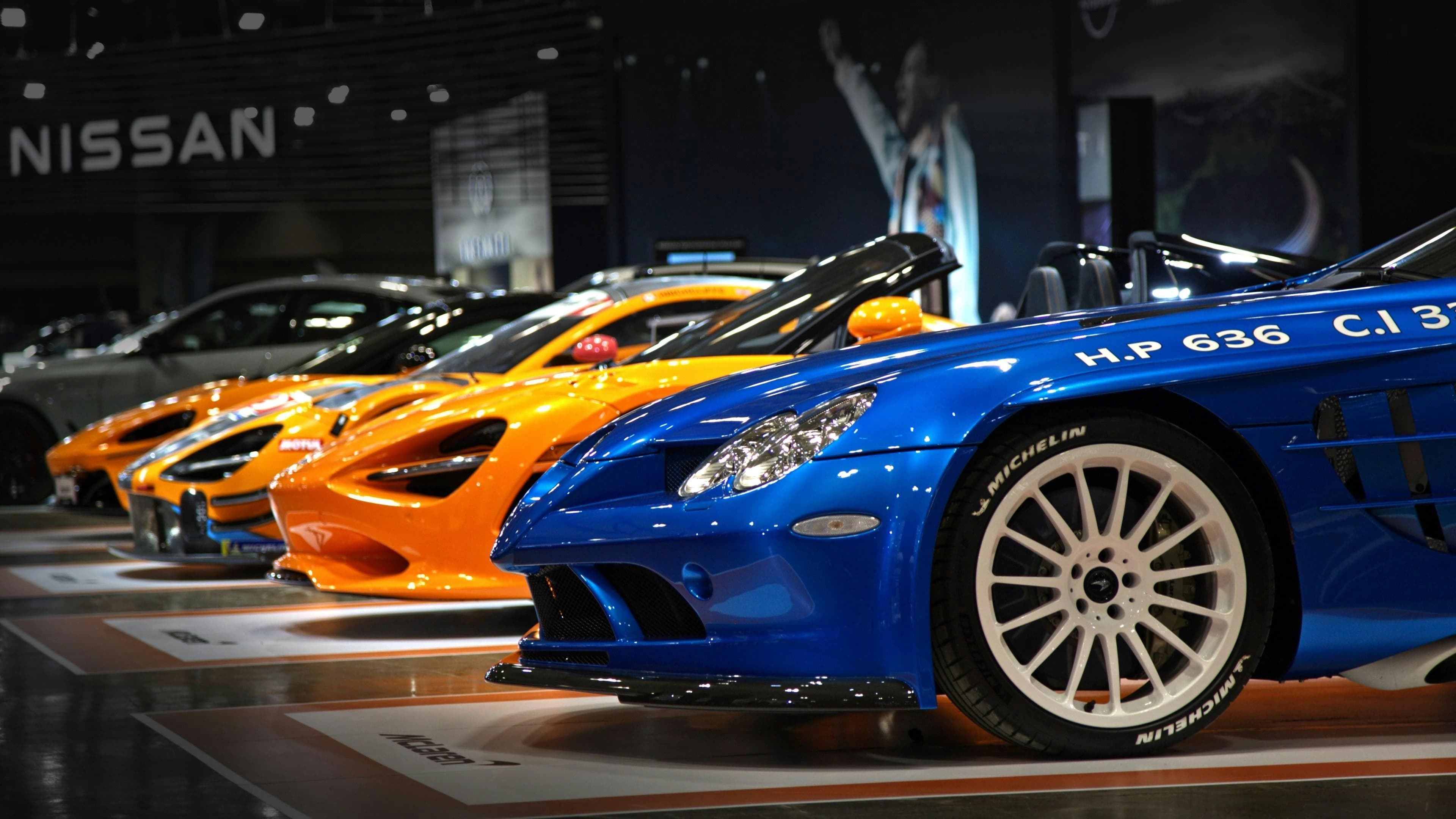
We need to talk about the death of the auto show "moment."
You know the one. The lights dim. The bass drops. A CEO in a suit that costs more than my first three cars combined walks onto a stage in Detroit or Geneva. With a dramatic flourish, a silk sheet is pulled back, and boom—there it is. The new model. We see it all at once: the grille, the stance, the interior, the weird wheels. It was theater. It was exciting. It was a singular moment in time.
That era is officially over. And it wasn’t killed by COVID or budget cuts—it was killed by risk management.
If you look at the launch calendar for the 2026 model year, you’ll notice a pattern that is as intentional as it is annoying: the Staggered Launch.
Here is how it works now. First, we get a teaser silhouette on Instagram in January. Then, in February, a press release detailing the headlight matrix technology. March brings a "leaked" video of a camouflaged prototype on the Nürburgring. April gives us the interior specs. May is the powertrain announcement. Finally, in June, the car is "revealed," but by then, we’ve already seen 95% of it.
Why are they doing this to us? Why kill the romance of the reveal?
Simple: The big reveal was a gamble. If an automaker pulled the sheet off and the internet collectively vomited because the grille looked like a buck-toothed beaver (a purely hypothetical scenario, of course), the company’s stock price would tank, and the narrative was set in stone instantly. There was no time to pivot.
The 2026 strategy is all about real-time market testing. By dripping out information slowly, automakers are treating product launches like software beta tests.
Let’s say they release a render of the interior in Month 2, and the forums explode with rage because there are no physical buttons for the climate control. Under the old system, the car would launch with that flaw, and sales would suffer. Under the new drip feed system, the PR team sees the backlash, panics, and issues a statement in Month 3 promising haptic feedback controls or an optional physical dial package. They are literally adjusting the product positioning while the marketing campaign is running.
It is brilliant for their stock prices which get a little bump every time a new "detail" drops, spreading the hype over two quarters instead of one afternoon, but it is exhausting for the rest of us.
It creates a phenomenon we’re calling "Launch Fatigue." By the time the car actually hits the dealer lots, the excitement has evaporated because we’ve been talking about it for half a year. It also makes shopping for a car an absolute nightmare. Trying to distinguish between a confirmed feature, a concept tease, and a production reality requires a forensic accounting degree.
This is where the smoke and mirrors of modern marketing really start to hurt the consumer. You think you’re waiting for a car with specific specs you saw on TikTok three months ago, only to find out that was just a "design study" element.
The "Big Reveal" was fun, but it was honest. You saw the car, you liked it or you didn't. The new system is a psychological game designed to maximize engagement metrics and minimize corporate risk. So, if you’re waiting for a big surprise from the auto industry this year, don’t hold your breath. The only surprise left is that there are no surprises.