The Beeping Will Continue Until Morale Improves
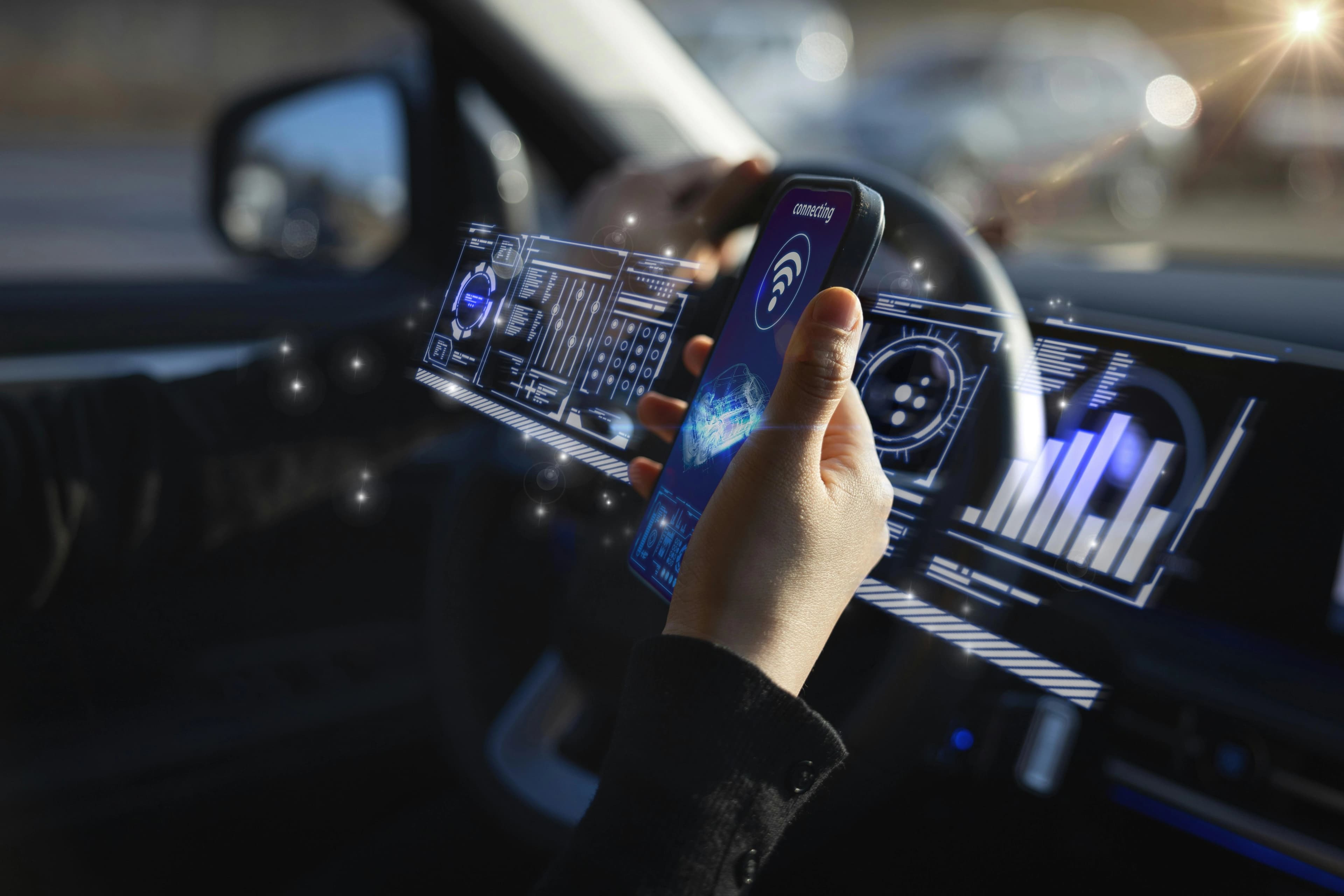
We’ve reached a weird crossroads in automotive history. On one hand, your 2025 mid-size SUV has more computing power than the Apollo 11 moon lander and can technically drive itself down a highway while you contemplate your life choices. On the other hand, a fresh batch of safety studies and consumer surveys released this week shows that the average American would still rather trust a hungry tiger with their lunch than trust an "Active Lane Centering" system on a rainy Tuesday. The technology is objectively getting better, with smoother interventions and fewer "phantom braking" incidents, yet the trust gap is wider than ever.
The skepticism isn't just coming from Luddites who miss carburetors. It's a rational response to a used market that has become a Wild West of uncalibrated sensors and confusing branding. If you buy a five-year-old car today, does the Blind Spot Monitoring still work after that minor fender bender the previous owner "forgot" to mention? Most buyers have no idea. This week's industry commentary highlights a growing concern: the cost of maintaining these systems. A cracked windshield isn't just a $200 annoyance anymore; it’s a $1,500 ordeal involving proprietary glass and a three-hour recalibration of the forward-facing cameras. For the used car buyer, these Advanced Driver Assistance Systems (ADAS) look less like a safety net and more like a looming repair bill.
Manufacturers have been caught in a bit of a marketing trap. They’ve spent billions telling us these cars are "autonomous-ready," but then they bury the disclaimer in the manual that says you need to keep your hands on the wheel, your eyes on the road, and your soul prepared for a sudden disconnect. This mixed messaging has backfired. Instead of feeling empowered, consumers feel babysat by a system that occasionally beeps at them for no reason. In the used market, this translates to "feature fatigue." Shoppers are increasingly asking if they can just get the car without the vibrating steering wheel and the judgmental cameras.
However, the industry isn't giving up. The focus is shifting from "Self-Driving" (which feels like science fiction) to "Safety-Assistance" (which feels like a helping hand). The latest updates from major OEMs are focusing on transparency—making it clearer when a system is active and why it’s making a certain decision. This is a crucial pivot. Trust isn't built on perfection; it's built on predictability. If the car behaves the same way every time you hit a curve, you’ll eventually stop hovering your foot over the brake. But until that predictability is guaranteed across the entire life of the vehicle, shoppers will remain wary.
This is why transparency tools are becoming the new must-have for car shoppers. If you’re looking at a tech-heavy vehicle on a platform like OptiCar, you want to know exactly which features are included and, more importantly, if they’ve been verified. Buying a car with a "Safety Suite" is great, but only if you have the peace of mind that those sensors aren't pointed at the ground because of a hit-and-run in a grocery store parking lot three years ago. The tech is ready for us; the question is whether the industry can finally prove it’s reliable enough for the second, third, and fourth owner.