The Bank Vault Door Just Slammed Shut on Your Next Car Loan
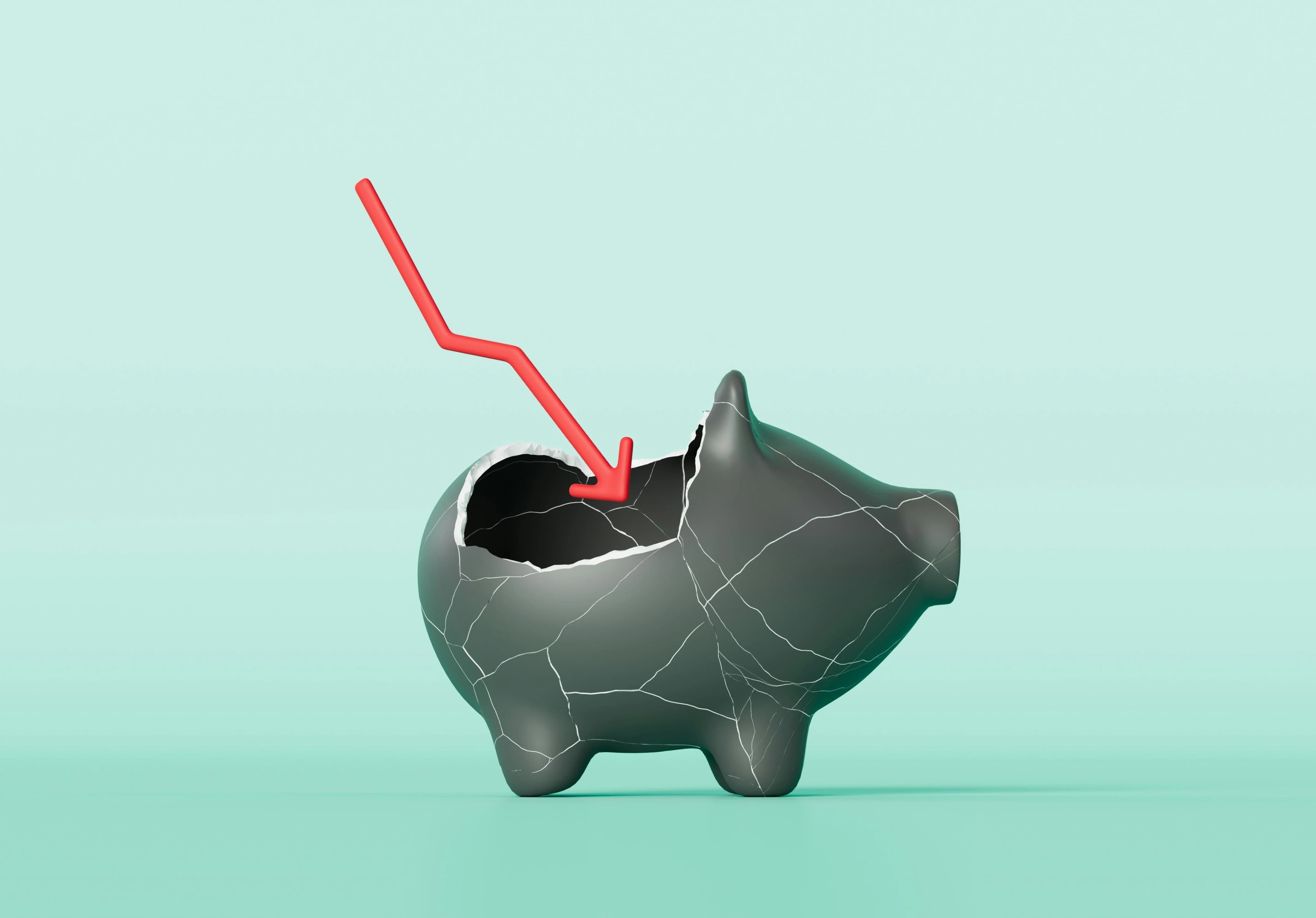
If you have been sitting on the sidelines, waiting for interest rates to drop before buying that new crossover, I have some bad news: The banks are scared. And when banks get scared, they don't just lower prices or send friendly emails—they pull up the drawbridge, lock the gate, and pretend nobody is home.
According to multiple reports circulating through industry channels this week, major auto lenders including Ally, Wells Fargo Auto, Capital One, and several large regional credit unions have issued strict "internal guidance" to dealerships. This guidance effectively tightens the screws on approval standards for new and used car loans. The catalyst for this sudden freeze? A nasty, undeniable spike in 60-day delinquencies and repossession rates that hit a 15-year high in late November.
Translation: Too many people stopped paying for the cars they bought in 2023 and 2024, and the lenders are done taking chances.
This isn't just about subprime buyers, who unfortunately always feel the squeeze first in any credit contraction. The scary part for the industry—and the reason for the widespread panic—is that "near-prime" borrowers are starting to crack. These are people with decent jobs and okay credit scores (think 620 to 660 range). They are the bread and butter of the auto industry volume. These are the folks who bought cars at the height of the post-pandemic pricing bubble, likely rolling in negative equity from a previous trade-in, and are now drowning in payments that don't match the depreciating metal in their driveway. Inflation has eaten their disposable income, and the car payment is the first thing to slide.
For the shopper in December 2025, the impact is immediate, invisible, and highly annoying. "Internal guidance" is banker-speak for "find a reason to say no." Dealers are reporting that applications that would have been an automatic, computer-generated "approval" six months ago are now getting kicked to manual review. This means a human underwriter is looking at the deal with a magnifying glass, asking for larger down payments, proof of income that feels like a forensic audit, or capping the Loan-to-Value (LTV) ratio aggressively.
Leasing, often the escape hatch for monthly payment shoppers, isn't safe either. Money factors (the cryptic number that determines the interest rate on a lease) are ticking up even as transaction prices soften. Lenders are trying to hedge against the risk that the car will be worth significantly less than the residual value when you turn it in three years from now. They are effectively pre-charging you for the coming depreciation crash.
So, what do you do if you actually need a car right now? The strategy has to change. First, stop looking at the monthly payment and look at the "Out the Door" price. If you can’t put 20% down, the banks are going to look at you like you’re radioactive. That cash down payment is the only thing that signals "skin in the game" to a nervous underwriter.
Second, if you have a relationship with a credit union, go get pre-approved before you walk into the dealership. Do not rely on the dealer to "shotgun" your application to ten banks, because right now, nine of them might say no, and the tenth will offer you a rate that looks like a credit card APR. Dealer finance offices are currently scrambling to find banks willing to buy "paper," and you don’t want to be at their mercy when options are limited.
It’s a classic, painful credit cycle crunch. The free money party of the early 2020s is officially over, the hangover has set in, and the banks are taking away the punch bowl just as you got thirsty. If you don't have Tier 1 credit and a fat stack of cash, the next few months are going to be a very difficult time to buy a set of wheels.