The Auto Logistics Puzzle: Navigating the Complex World of Tariff-Era Shipping
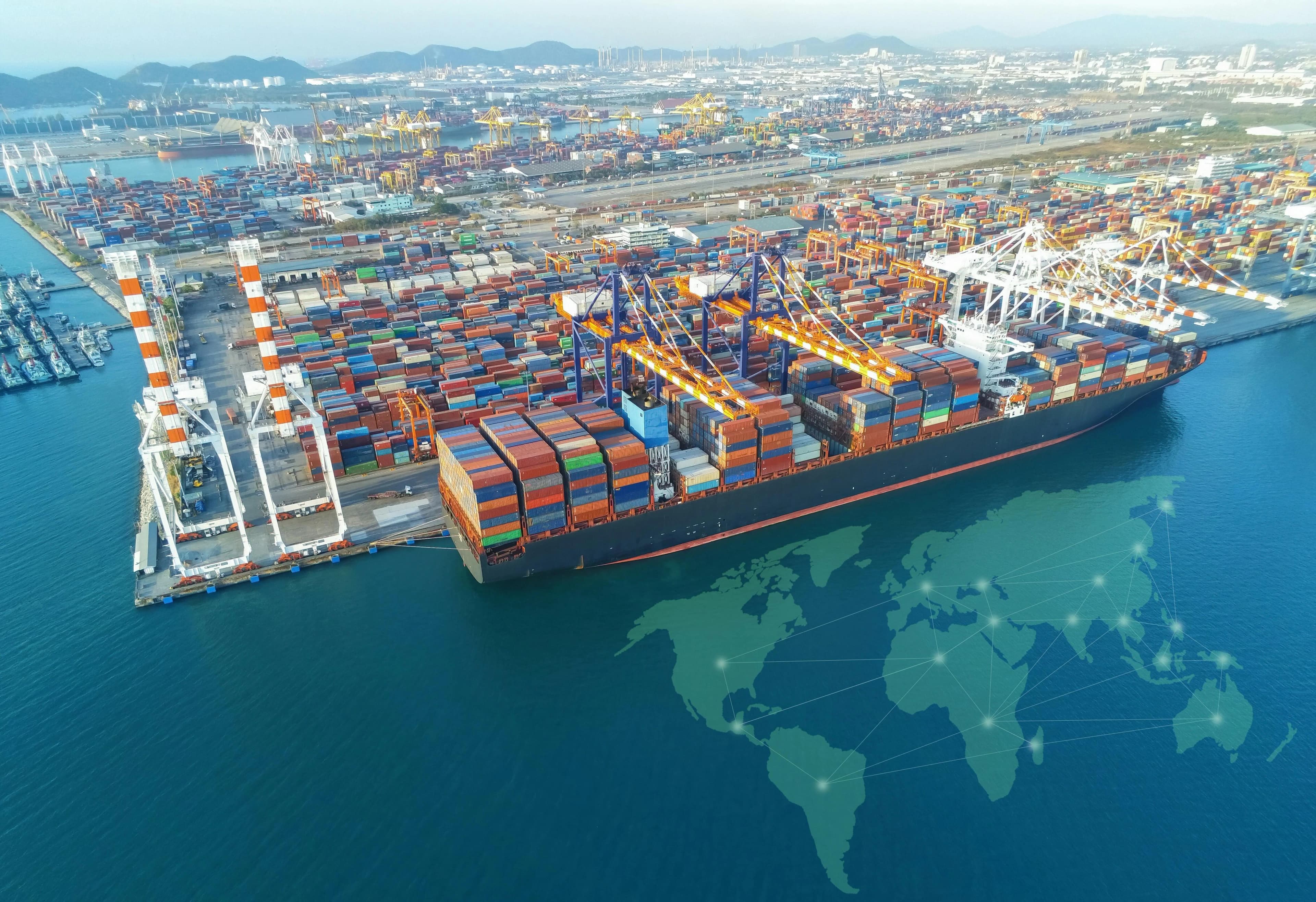
If you're wondering why your new car is taking longer to arrive or costs more than anticipated, you're witnessing one of the most complex logistics environments the automotive industry has faced in years. Q4 has brought together a confluence of port congestion, freight cost increases, and tariff uncertainty that's testing the resilience of everyone from automakers to car buyers. Container yards are operating at 85-95% capacity when optimal is 70-75%. Vessel waiting times at Los Angeles and Long Beach have jumped from 3-4 days to nearly 12 days. This isn't just a temporary hiccup—it's a significant operational challenge requiring industry-wide adaptation.
The automotive sector is particularly exposed because it's one of the most complex and globalized industries in the world. When tariffs hit in early 2025, covering everything from steel to semiconductors to finished vehicles, the industry was already navigating post-pandemic supply chain recovery. Spot rates on China-U.S. West Coast routes have jumped over 200% since December 2024. Blank sailings, when shipping lines cancel scheduled voyages, increased 165% year-over-year, reducing available capacity by 1.8 million TEU. This creates a domino effect where containers get delayed in transit, creating scarcity that drives rates even higher.
Cross-border freight between the U.S., Canada, and Mexico faces considerable headwinds. Exports to the U.S. from Canada are down 15.7%, while imports have fallen 12.3%. Over half of exporters and 40% of importers expect reduced profitability in Q4, reflecting higher costs, customs delays, and product reclassification challenges. Automotive component flows are shifting by manufacturer as tariff-sensitive inputs get resourced. Lanes are rebalancing, but the industry is still working to determine what equilibrium looks like when tariff policy evolves frequently.
OEMs are currently absorbing tariff costs, demonstrating commitment to their customers, but this approach has natural limits. Mike Wall, executive director of automotive analysis at S&P Global Mobility, confirmed that prices are likely to adjust. The question isn't if, but when and by how much. Automakers are navigating squeezed margins from multiple directions: tariffs, rising labor and energy costs, production inefficiencies, increasing competition, and the substantial investment required for EV transition. Absorbing an extra 10-25% in import costs indefinitely presents a genuine business challenge.
The logistics providers are rising to meet the moment. They're being called upon to innovate through process optimization, technology upgrades, and improved network design while simultaneously navigating unprecedented uncertainty. Maintaining lean vehicle inventory to optimize working capital has become a top priority for OEMs, which creates new coordination challenges for finished vehicle logistics. Companies are strategically diversifying freight routes because lanes that were once optimal now carry different risk profiles due to congestion, elevated rates, or heightened regulatory scrutiny.
Some specific developments deserve attention. Gulf Coast ports reached capacity limits in Q4. Mexico's new manifestación de valor requirement, mandating electronic transmission of imports, could lengthen border processes for unprepared shippers starting December 9. Electronics demand remains well above 2024 levels on Laredo and Otay routes. The continuing nearshoring trend offers genuine opportunity for northern Mexico, with 16.9% of large companies reporting increased production, sales, or investment due to relocation efforts, though execution remains challenging.
The impact on consumers is notable. Longer delivery times, adjusted pricing, and evolving inventory levels are becoming part of the landscape. Vehicles that were priced at one level six months ago may now reflect additional costs, and availability varies by segment and region. Dealers are working diligently to maintain inventory while managing working capital constraints. The industry is prioritizing flexibility, responding to challenges as they emerge.
Recent Supreme Court hearings on Trump's Liberation Day tariffs have introduced another variable into planning. Justices expressed questions about the White House's justification for using emergency powers to impose broad tariffs that bypass Congress. If the courts modify the tariff framework, companies may need to recalibrate the logistics strategies they've invested heavily in developing. Strategic planning requires agility when regulatory frameworks remain in flux.
For those hoping for rapid resolution: patience will be valuable. The structural factors driving these challenges take time to address. Port infrastructure requires years to expand. Trade policy clarity takes time to establish. Global supply chains that took decades to optimize can't be reconfigured overnight. Q4 2025 presents particular complexity, but the industry has proven remarkably adaptive before. The logistics landscape is evolving, and the automotive sector is evolving with it.