The 2026 Camaro ZL1 Cup Car Is Here, and It Might Be the Last
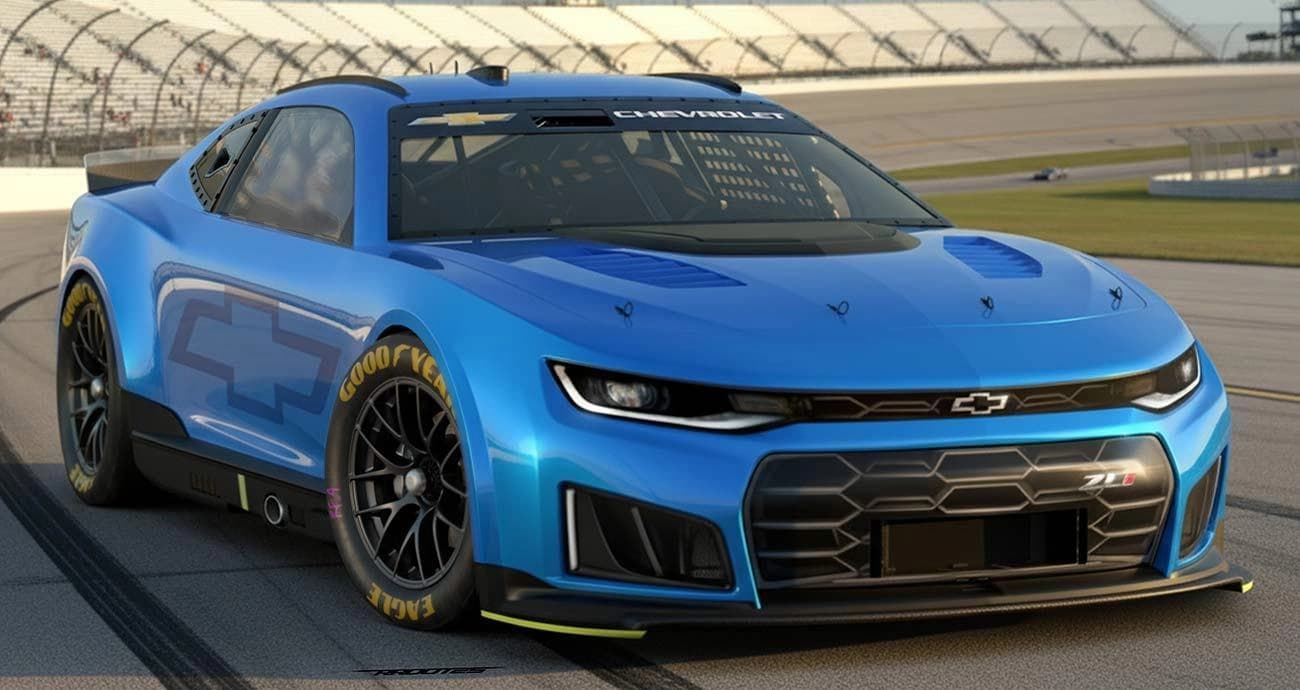
Chevrolet pulled the wraps off its 2026 Camaro ZL1 Cup car, and it arrives carrying the weight of history. This might be the last internal-combustion Camaro to compete in NASCAR's premier series before the brand goes electric, marking the end of an era that spans back to 1967. If you're into automotive symbolism and metaphors about the death of American muscle, this one's loaded.
The Cup car features updated aerodynamics and technical improvements designed to keep Chevy competitive against Ford's Mustang and Toyota's Camry. The changes are mostly evolutionary rather than revolutionary, which makes sense given NASCAR's spec-series nature. These cars share more components than they differ on, but the manufacturers still take this stuff seriously. Racing credibility matters, especially when your street cars are getting electrified.
Driver reactions have been positive so far, which is what you'd expect from carefully managed press releases. The new car reportedly offers improved handling balance and better feedback through high-speed corners. NASCAR drivers are professional enough to adapt to whatever they're given, but genuine improvements in drivability make their jobs easier and potentially lead to better racing. We'll see how it shakes out once they start banging doors at Daytona.
The elephant in the room is what happens next. General Motors has announced plans to transition the Camaro to an electric platform, joining the broader industry shift away from internal combustion. That's not necessarily a bad thing, but it does represent a fundamental change in what a Camaro is. A V8 muscle car with a blower and a manual transmission becomes an EV with instant torque and regenerative braking. Same badge, different soul.
Chevy faces the challenge of translating the Camaro's motorsport DNA into its electric future. Performance metrics might improve on paper with electric motors delivering instant torque and potentially higher horsepower. But the visceral experience of a naturally-aspirated V8 or supercharged engine can't be replicated by an electric drivetrain, no matter how quick it is. The emotional connection matters, especially for a brand built on muscle car heritage.
NASCAR itself is grappling with how to handle the EV transition. The series built its identity on loud V8 engines and the smell of race fuel. Electric race cars offer different advantages and challenges, but they're fundamentally different entertainment. Whether fans embrace electric NASCAR or stick with their internal-combustion nostalgia will shape the sport's future. Early indications suggest traditional fans are skeptical.
The Camaro's journey from street car to race car to electric future mirrors the broader automotive industry's transformation. What worked for decades doesn't guarantee future success. Manufacturers are betting that electric performance can capture the same enthusiasm that gasoline power generated. It's possible they're right, but it's also possible they're underestimating how much of muscle car culture is tied to the engine note and driving experience.
For enthusiasts, the 2026 Cup car represents something worth appreciating while it lasts. NASCAR has provided some of the best door-to-door racing in motorsports, and the current generation of cars has delivered genuine excitement. The new Camaro ZL1 should continue that tradition through the next few seasons. After that, well, everything changes.
There's also the question of whether electric Camaros will race in NASCAR at all, or if the series will create a different class or transition away from manufacturer identities entirely. NASCAR has historically evolved slowly, but the EV transition might force more radical changes. The series could embrace electric powertrains with modified rules, or it could double down on internal combustion as a deliberate alternative to the electrified automotive landscape.
Chevrolet's immediate focus is making the 2026 ZL1 Cup car competitive and maintaining its racing presence. The company has a long NASCAR history and significant investment in the series. Walking away isn't an option, which means adapting to whatever NASCAR becomes in the electric era. That might mean electric Camaros racing against electric Mustangs and Camrys, or it might mean something entirely different.
The street car implications are equally significant. If the electric Camaro succeeds as a performance vehicle, it validates the approach and potentially opens doors for other electric muscle cars. If it fails to resonate with buyers or capture the spirit of what made the Camaro special, it becomes a cautionary tale about losing brand identity in pursuit of electrification. The stakes are real.
So enjoy the 2026 Camaro ZL1 Cup car for what it is: a refined internal-combustion race car representing decades of American performance heritage. It's not the last race car Chevy will build, but it might be the last Camaro that sounds like a Camaro when it goes by. Everything after this is uncharted territory, for better or worse.