Tesla’s Reliability Glow-Up: Consumer Reports Puts the Brand in Its Top 10
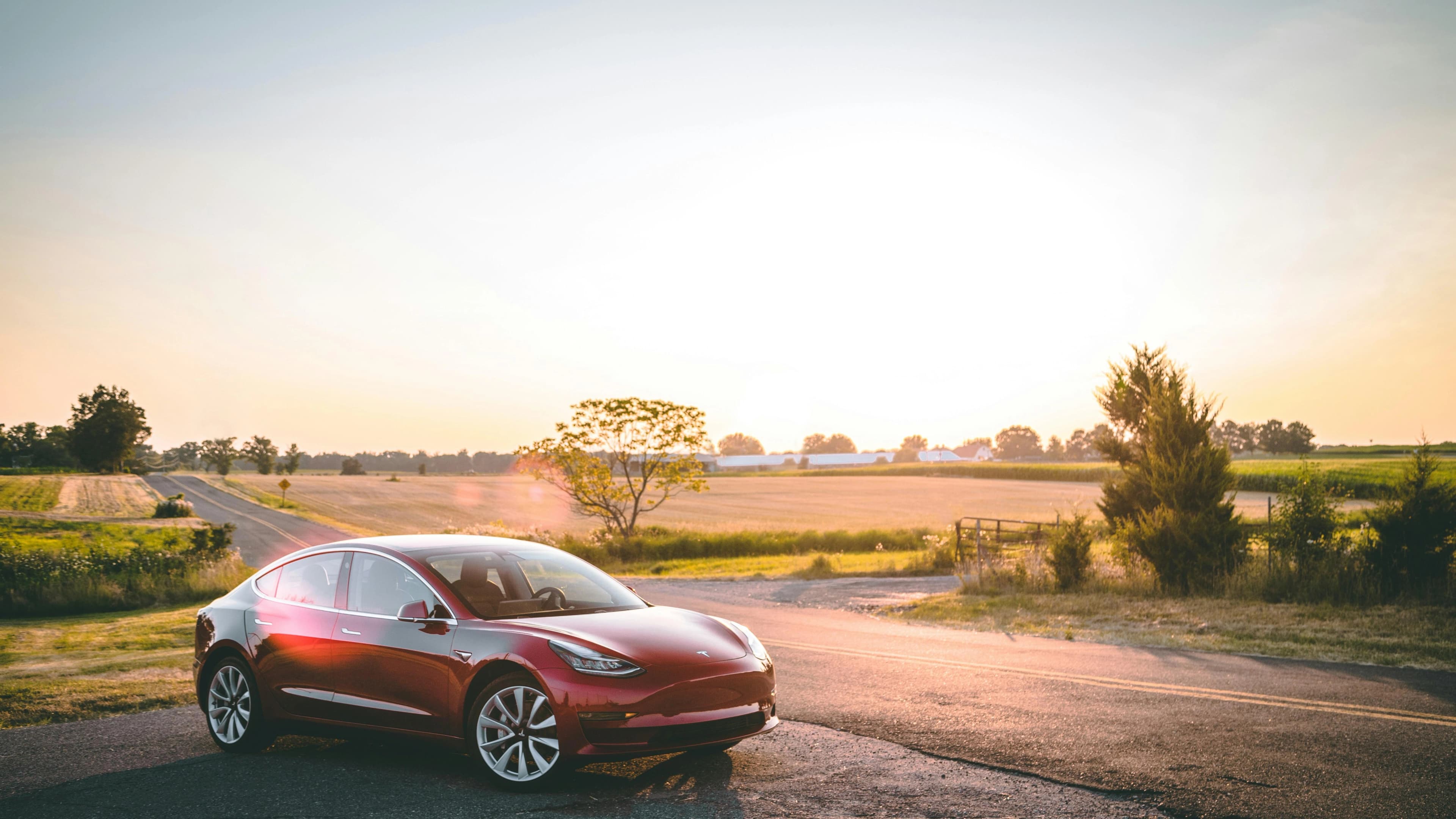
For the better part of a decade, reviewing the Consumer Reports annual brand report card was a reliable bit of schadenfreude for Tesla skeptics. You could always count on the Silicon Valley darling to rank near the bottom, sandwiched between other brands plagued by gremlins. The stories were legendary: panel gaps you could lose a smartphone in, paint that looked like it was applied with a roller, moisture in taillights, and touchscreens that went dark at highway speeds. But for the 2026 model year report, the narrative has fundamentally shifted. Tesla has officially cracked the top 10, landing squarely among reliability stalwarts like Subaru, Toyota, and BMW.
Before the fanboys start their victory lap and the detractors cry foul, let’s dig into the "why," because it reveals a lot about how car manufacturing actually works. This isn't a case of Consumer Reports lowering the bar; it is a case of Tesla finally freezing the hardware. The Model 3 and Model Y have been in production for years now. In traditional automotive manufacturing, age is a virtue. The longer you build the same car, the better you get at building it.
The assembly lines in Austin and Fremont have finally dialled in the tolerances. The "Highland" update to the Model 3 and the subsequent refresh to the Model Y fixed many of the initial build quality gripes without introducing too many new, untested variables. Tesla stopped treating these cars like software products that could be patched later and started treating them like hardware that needs to fit together correctly the first time.
Essentially, Tesla stopped moving fast and breaking things—at least with its core lineup. They have become, dare we say it, a normal car company. When you buy a Model 3 in late 2025, you are buying a mature product. The suspension creates fewer rattles, the weather stripping actually strips weather, and the software is stable. This is a massive win for shoppers who have been "EV curious" but terrified by horror stories of service center purgatory. The data shows fewer trips to the shop for the bread-and-butter models, which is the single biggest metric for customer satisfaction.
However, the report card isn't straight As. The Cybertruck remains the "troublemaker" of the family, dragging down the brand's overall score just enough to keep them out of the top 5. It seems that building a stainless steel triangle is still as difficult as it looks, and early adopters of the truck are still effectively beta testing fit-and-finish issues. Reports of rust spots, trim alignment failures, and bespoke component failures are still keeping the Cybertruck in the "Not Recommended" territory.
But if you ignore the jagged exoskeleton in the room, the data suggests that for the average Tesla buyer looking for a sedan or crossover, the gamble is gone. Tesla has cleaned its room, made its bed, and is now sitting at the grown-ups' table. It’s a boring development for internet drama—hating on Tesla build quality was a favorite pastime—but a fantastic one for actual consumers. It proves that eventually, even the most disruptive tech company has to learn how to be a car manufacturer.