Tesla's Cybertruck Hits 10 Recalls
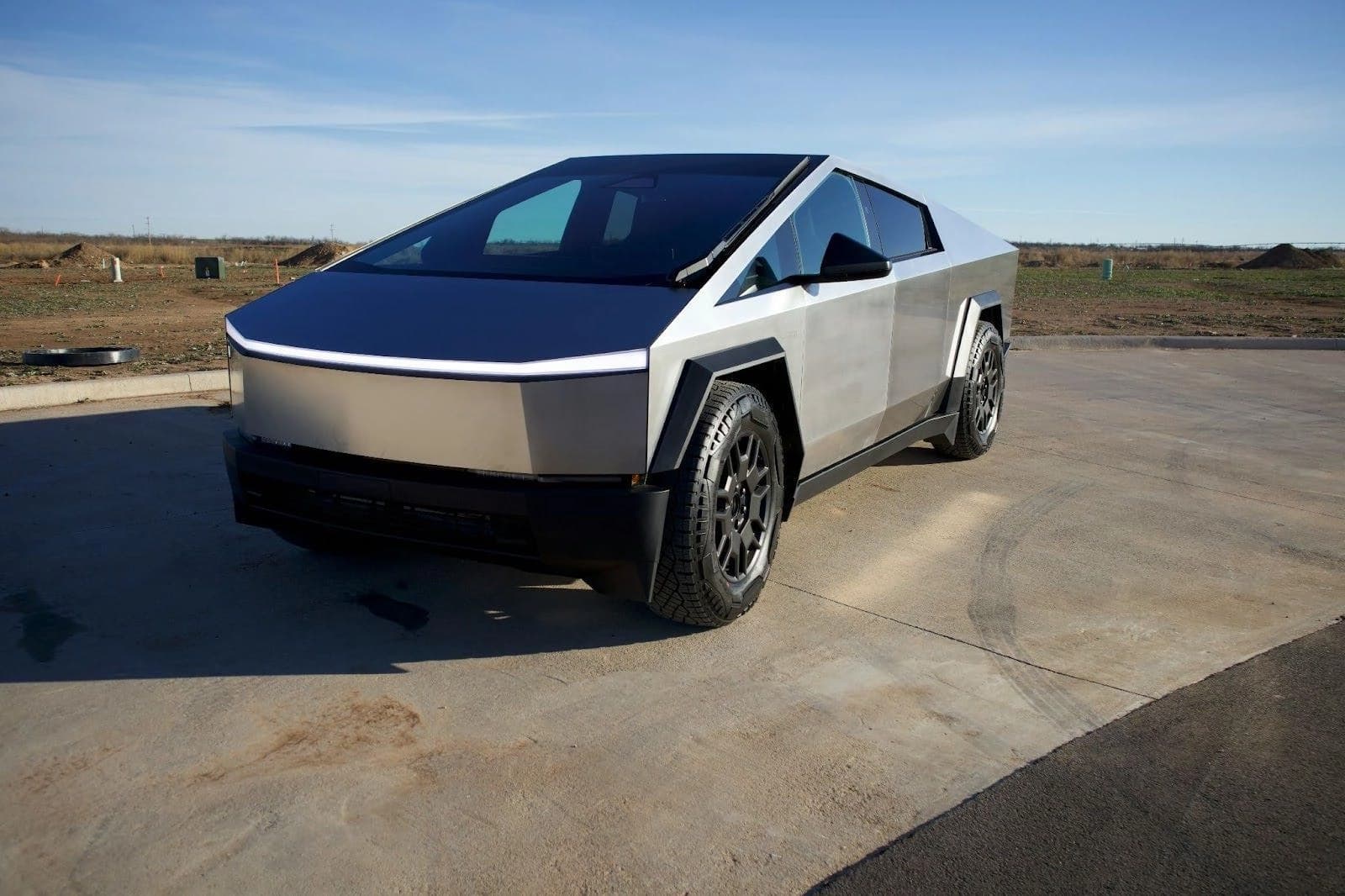
Tesla issued three significant recalls around October 26, including two separate Cybertruck recalls within a week and a Model 3 and Model Y battery pack recall affecting nearly 13,000 vehicles. The Cybertruck's 10th recall in less than two years makes it one of the most recalled new vehicles in recent memory, averaging one recall every 1.8 months. The data tells a familiar story in automotive manufacturing: bringing genuinely innovative designs to market often reveals unforeseen quality challenges. The $100,000+ stainless steel truck faces the classic automaker dilemma of balancing ambitious engineering with production realities, and Tesla's experience demonstrates why traditional manufacturers typically spend years on pre-production validation before customer deliveries begin.
Recall number one illustrates regulatory complexity. Tesla recalled all 63,619 Cybertrucks built as of October 11 because front parking lights exceed maximum brightness allowed under Federal Motor Vehicle Safety Standard 108. The vehicle controller software may "inadvertently command the front parking lamp photometry intensity to exceed the maximum permissible intensity." Tesla deployed an over-the-air software fix within nine days, showcasing the advantages of connected vehicle technology, though the recall inadvertently revealed sales data: just 63,619 Cybertrucks sold in nearly two years, averaging 30,000 annually. That's about 13% of Elon Musk's predicted 250,000+ annual capacity, suggesting production ramp-up has proven more challenging than anticipated.
Recall number two highlights supplier and service coordination challenges. Tesla recalled 6,197 Cybertrucks, about 10% of all sold, because optional off-road lightbars can detach from windshields due to incorrect adhesive primer application. The installation required BetaPrime primer for windshields and BetaSeal for lightbars, but service technicians sometimes used the wrong primer despite multiple manual updates. After 619+ warranty claims and several manual corrections, Tesla implemented a more robust solution with mechanical brackets. This is the Cybertruck's second adhesive-related recall. In March 2025, Tesla recalled 46,000 Cybertrucks because stainless steel body panels could detach due to adhesive issues. These recalls underscore the particular challenges of working with stainless steel and non-traditional assembly methods.
The most serious recall is battery-related. Tesla recalled 12,963 vehicles—5,038 Model 3s from 2025 and 7,925 Model Ys from 2026 manufactured March through August 2025—for faulty battery pack contactors that can cause sudden loss of drive power with no warning. Defective InTiCa solenoids in battery pack contactors "may suddenly open due to poor coil termination connection," cutting power to electric motors. "No warning occurs prior to the loss of propulsion"—drivers receive visual alerts only after power loss. This represents a significant supplier component issue that affected nearly 13,000 vehicles built over five months, illustrating how even established automakers face challenges with third-party component quality.
Owner forums report quality concerns beyond official recalls, including wind noise, rattles, panel misalignment, visibility issues, and occasional breakdowns at delivery. One owner reported: "Took delivery today, made it 1 mile down road, started getting steering error, flashing red screen, truck is dead." Another noted: "Less Than 2K Miles and My Seat Squeaks, Pillars, Door Trim, and Center Dash Rattles." An Etsy seller even markets a "Tesla Cybertruck Delivery Checklist" PDF for $4.99 to help owners document potential issues before accepting delivery. This reflects broader industry challenges with launch quality on all-new platforms, though the entrepreneurial checklist solution is uniquely modern.
Since deliveries began in late 2023, the Cybertruck has faced 10 recalls: accelerator pedal sticking in April 2024, trunk trim detaching in June 2024, windshield wiper failure in June 2024, cant rail panels detaching in March 2025, parking lights too bright in October 2025, off-road lightbar detaching in October 2025, plus inverter issues and font size violations. One recall every 1.8 months represents significant quality challenges. Adrian Clarke, a professional car designer, observed: "As soon as we saw it, everyone I know in the industry started laughing. We just thought there is no way they're gonna be able to get that into production." Even Elon Musk acknowledged in leaked emails: "Due to the nature of Cybertruck, which is made of bright metal with mostly straight edges, any dimensional variation shows up like a sore thumb." The unconventional design creates manufacturing difficulties that more conventional body designs naturally avoid.
Q3 2025 Cybertruck sales hit just 5,385 units, down 62.6% year-over-year, with inventory accumulating outside factories. Tesla responded with incentives including 1.99% financing, lifetime free charging, and badge removal for unsold Foundation Series units. The truck faces regulatory barriers in Europe for safety compliance. Market reception has been challenging, with early adopters experiencing the typical growing pains of first-generation radical designs. These customers are essentially participating in real-world validation that traditional manufacturers typically complete before public sales. The recalls are handled at no cost to owners, which at least mitigates the financial impact of these early-adoption challenges.