Tesla’s Crown Slips as the World Learns to Shop Around
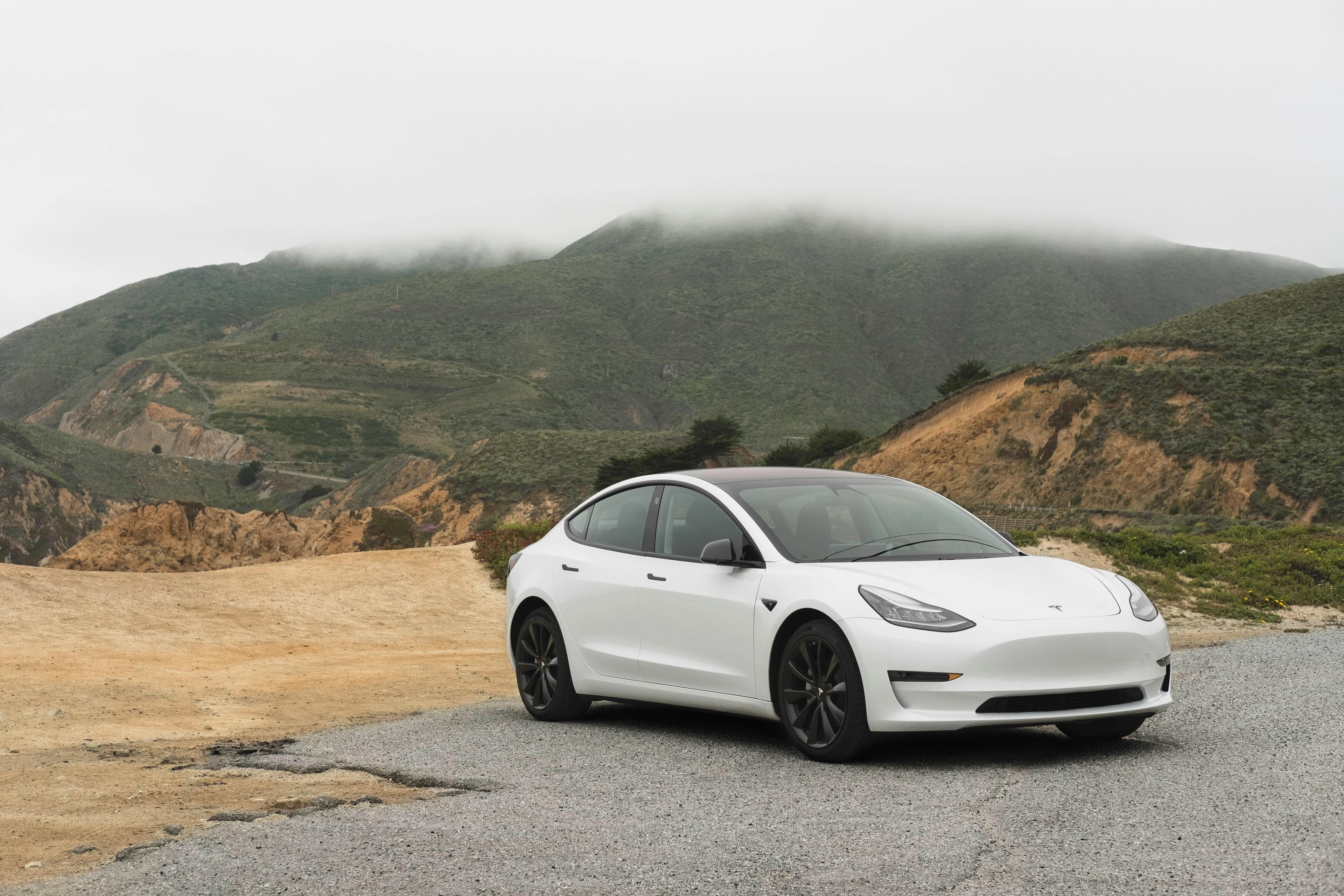
The era of Tesla being the only serious name in the EV game has officially come to a crashing, data-driven halt. The company’s latest earnings report is a bit of a horror show for the believers: net income plummeted 46% over the last year, and for the first time in history, Tesla has surrendered its title as the world’s top seller of battery-electric vehicles. That title now belongs to BYD, the Chinese juggernaut that is currently eating everyone’s lunch by offering a massive variety of cars that people can actually afford, rather than focusing on robotaxis and humanoid robots that may or may not ever exist in our physical reality.
Elon Musk’s response to this decline has been characteristically bold, or perhaps just a bit chaotic: he is essentially burning the ships. Tesla has announced it will end production of the Model S and Model X later this year. These were the cars that made the brand a status symbol, the ones that proved electric cars could be cool and fast. Now, they are being shoveled off to the automotive graveyard to make room for the Cybercab and a fleet of Optimus robots. It is a massive pivot that treats car manufacturing as a secondary mission. While the Model Y remains a global bestseller, the rest of the lineup is looking a bit long in the tooth, especially when compared to the tidal wave of fresh, tech-heavy competition coming from every corner of the globe.
The reality on the ground is that brand loyalty is eroding faster than a coastal highway. In Europe, Tesla sales dropped nearly 40% as buyers realized they could get similar range and better build quality from brands that do not come with quite so much social media baggage. For the consumer, this is actually great news. We have entered the age of choice, where you do not have to settle for a minimalist interior and a questionable panel gap just to drive electric. The market is maturing, and the shiny novelty of the Tesla badge is being replaced by the cold, hard logic of comparison shopping.
Adding to the headache is the shifting political landscape in the US. With the rollback of various EV incentives and the expiration of key tax credits, the price of entry for a new Tesla has effectively jumped by thousands of dollars. This has hit the brand particularly hard because they relied on regulatory credits—money other car companies paid them to offset their own emissions—as a steady stream of pure profit. That stream is drying up, leaving Tesla to survive on the actual sale of cars, a business that is notoriously difficult and currently very crowded.
For the enthusiast, the death of the Model S is particularly bittersweet. It was the car that started the revolution, and while it had its flaws, it changed the way we think about performance. Seeing it replaced by a fleet of faceless robotaxis is a bit of a gut punch. If you are one of the many people currently looking at the EV market and feeling overwhelmed by the options, the landscape has never been more competitive. The king has been dethroned, and the resulting power struggle is going to make for some very interesting cars in the next few years. Whether Tesla can find its second wind as a robotics company remains to be seen, but as a car company, the honeymoon is officially over.