Tesla Wants To Build Robots Instead Of Cars
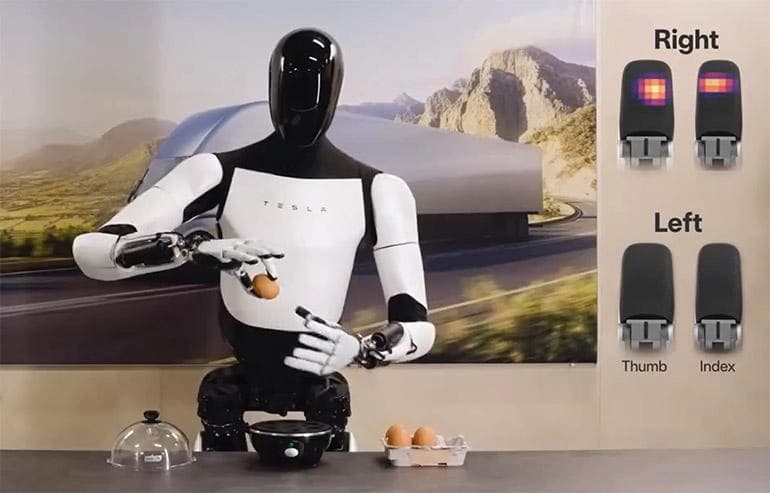
The Model S was once the undisputed halo car of the electric vehicle movement. It showed the world that electric cars could be blindingly fast, sleek, and high-tech enough to make traditional luxury sedans look like ancient steam engines. Fast forward to today, and the pioneering sedan alongside its falcon-winged sibling, the Model X, feels more like a legacy obligation than the crown jewel of the lineup. Tesla is reportedly shifting long-term manufacturing priorities away from its original flagship luxury vehicles to clear up precious assembly plant space for humanoid robotics and autonomous tech.
For car enthusiasts and industry watchers, this transition is both fascinating and classic silicon valley strategy. Once upon a time, the automotive industry measured success by how many vehicles moved off assembly lines, how tight the panel gaps were, and how satisfied buyers remained over five years of ownership. But in the current market landscape, building cars is notoriously capital-intensive, low-margin work compared to the endless valuation multiples promised by artificial intelligence and robotics. Why bother with the grueling logistics of stamping sheet metal for low-volume luxury sedans when you can tell investors that your factories will soon churn out millions of bipedal helpers named Optimus?
Reallocating assembly space is a pragmatic move if you look at the raw numbers. The Model S and Model X account for a tiny fraction of total delivery volumes compared to the mass-market Model 3 and Model Y. The expensive sedans have undergone minor updates, interior overhauls, and dramatic price cuts over the years, but their underlying architectures are aging in automotive terms. Meanwhile, factory footprint is one of the most valuable resources Tesla owns. Every square foot dedicated to a low-volume luxury vehicle in Fremont or Texas is a square foot that cannot be used to iterate on next-generation manufacturing cells, autonomous robotaxis, or humanoid robotic test beds.
However, this pivot strategy comes with a massive set of engineering and operational hurdles. Designing and building a humanoid robot capable of operating safely in complex environments is vastly different from building a four-wheeled passenger vehicle. Cars operate on predictable roads with established safety standards, crash structures, and clear regulatory frameworks. Autonomous vehicles themselves continue to face intense scrutiny from safety regulators and state transportation agencies, demanding millions of edge-case miles before full commercial deployment can become a reality. Reallocating physical manufacturing infrastructure away from proven automotive assembly lines toward unproven robotics hardware means taking a massive gamble on future tech timelines.
Traditional legacy automakers are watching this pivot with a mixture of curiosity and relief. Companies like Porsche, Mercedes-Benz, and BMW have spent the last few years playing catch-up in the high-end electric luxury segment. If Tesla steps back from aggressive development and production of flagship performance sedans, it leaves open road for European rivals to capture buyers who still want a dedicated driver-focused luxury automobile rather than an AI experiment on wheels. Legacy brands understand that while software matters, premium buyers still pay top dollar for chassis dynamics, interior craftsmanship, and mechanical refinement.
Ultimately, Tesla shifting assembly space signals a broader identity evolution from a pure-play electric automaker into a hardware-focused tech conglomerate. Whether Optimus and cyber-taxis will deliver the promised revolution remains to be seen, but one thing is clear: the era of the flagship Tesla sedan being the center of the company universe has officially come to a close. Drivers who still love the blistering acceleration of a traditional electric luxury sedan might want to appreciate them while they are still rolling off the line, because the factory floor of tomorrow belongs to the robots.