Tesla Sued for $10 Million After 'Insane Mode' Test Drive Ends Inside a Hair Salon
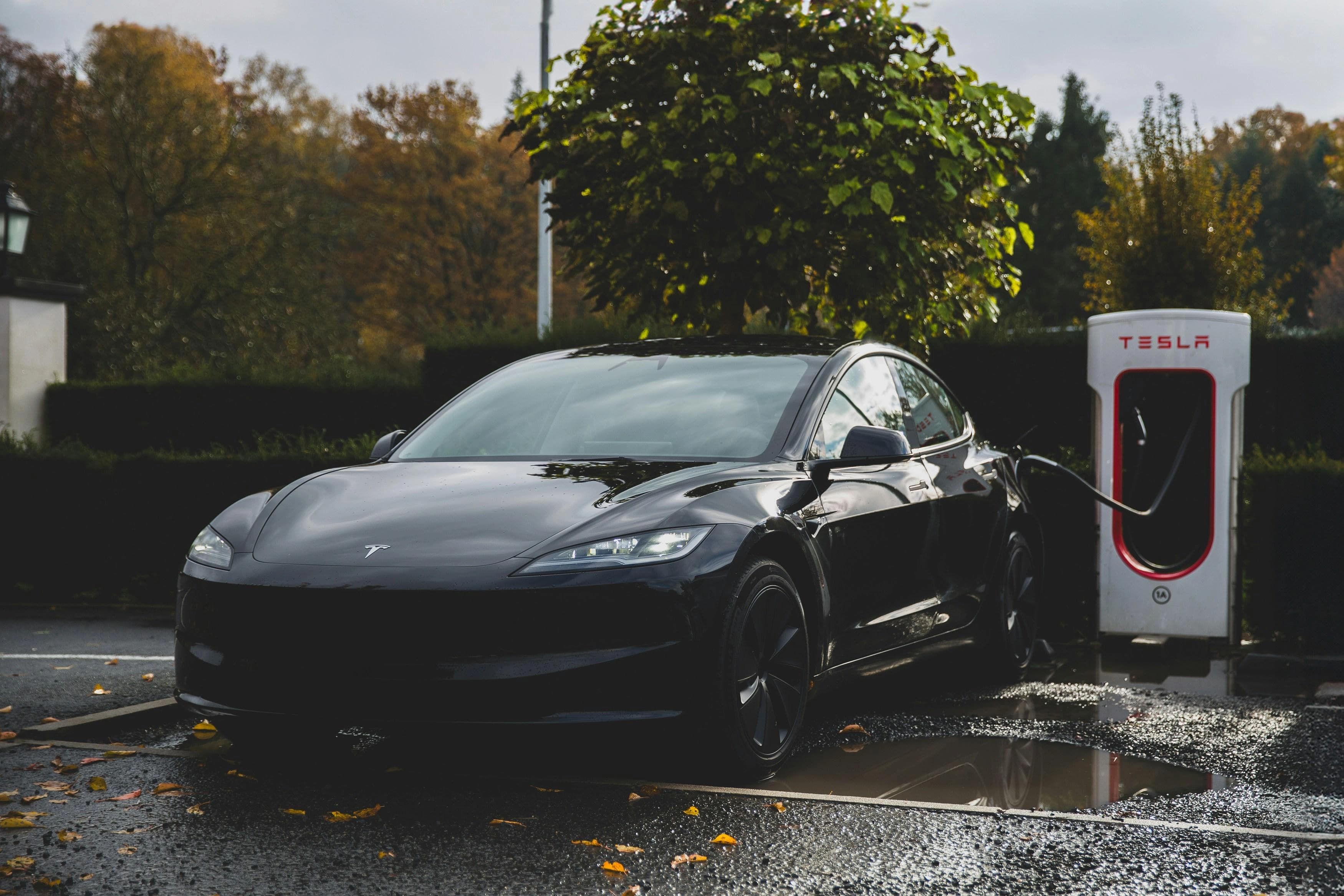
Buying a new car used to involve a specific dealership ritual. An eager salesperson in a polo shirt would sit in the passenger seat, point out where the windshield wipers were, warn you about the sensitive brakes, and gently suggest you take it easy on the highway. Tesla did away with most of that, replacing traditional dealership hand-holding with contactless, self-serve test drives. But as a new ten-million-dollar federal lawsuit demonstrates, skipping the human orientation step can have wildly catastrophic consequences when the car in question possesses supercar acceleration and a setting called Insane Mode.
The lawsuit stems from a September 2024 incident in Arlington, Virginia, involving Alemzewd Lawgalet, a fifty-nine-year-old federal employee who had never driven an electric vehicle in her life. According to court filings, Lawgalet booked a test drive through Tesla’s website and informed staff upon arrival that she was completely unfamiliar with electric cars. She alleges that store employees reassured her the Model Y would drive just like a conventional gasoline car, handed over the digital key, and sent her off on her own without a ride-along advisor.
What Lawgalet did not realize was that the Model Y Performance she was driving was allegedly set to Insane Mode, the vehicle’s most aggressive drive setting. In a standard gasoline vehicle, making a car accelerate fast requires downshifting, building engine revs, and waiting for mechanical power to reach the wheels. In an electric vehicle set to its most aggressive software map, full torque is available the exact millisecond your foot depresses the pedal. A Model Y Performance in Insane Mode can launch from zero to sixty miles per hour in roughly three point three seconds, a figure that puts many dedicated sports cars to shame.
To make matters worse, Lawgalet was unaccustomed to regenerative braking, which decelerates the car rapidly as soon as the driver lifts off the accelerator. Rattled by how the vehicle behaved on the interstate, she took the nearest exit to head back to the showroom. While stopped at a traffic light, she stepped on the accelerator expecting a gradual pull away from the line. Instead, the electric motors unleashed instant torque. The Model Y surged across the roadway, hopped the curb, and slammed directly into a nearby hair salon, causing a fire and leaving Lawgalet with severe, permanent physical injuries.
She is now seeking $10.3 million in compensatory damages and additional punitive damages, accusing Tesla of negligence and reckless disregard for customer safety by failing to restrict acceleration modes or provide basic instruction to novice EV drivers. Tesla, meanwhile, maintains that the driver simply failed to exercise reasonable care behind the wheel. Regardless of how the legal battle plays out, the case highlights a glaring blind spot in the modern direct-to-consumer auto sales model. When family crossovers carry the acceleration capabilities of exotic supercars, leaving the drive mode in maximum performance for an uninitiated buyer is a recipe for disaster.
Automakers have long understood the need for valet modes and teen driver restrictions, yet performance EVs frequently lack automatic safeguards for dealership test drives. A simple software lock restricting test vehicles to Chill Mode until a sales representative verifies the driver understands regenerative braking and pedal response could prevent similar crashes entirely. Until carmakers implement better test-drive precautions, first-time EV drivers would do well to double-check the touchscreen settings before touching the gas pedal.