Tesla Secures Arizona Permit for Ride-Hailing Service as Robotaxi Ambitions Take Shape
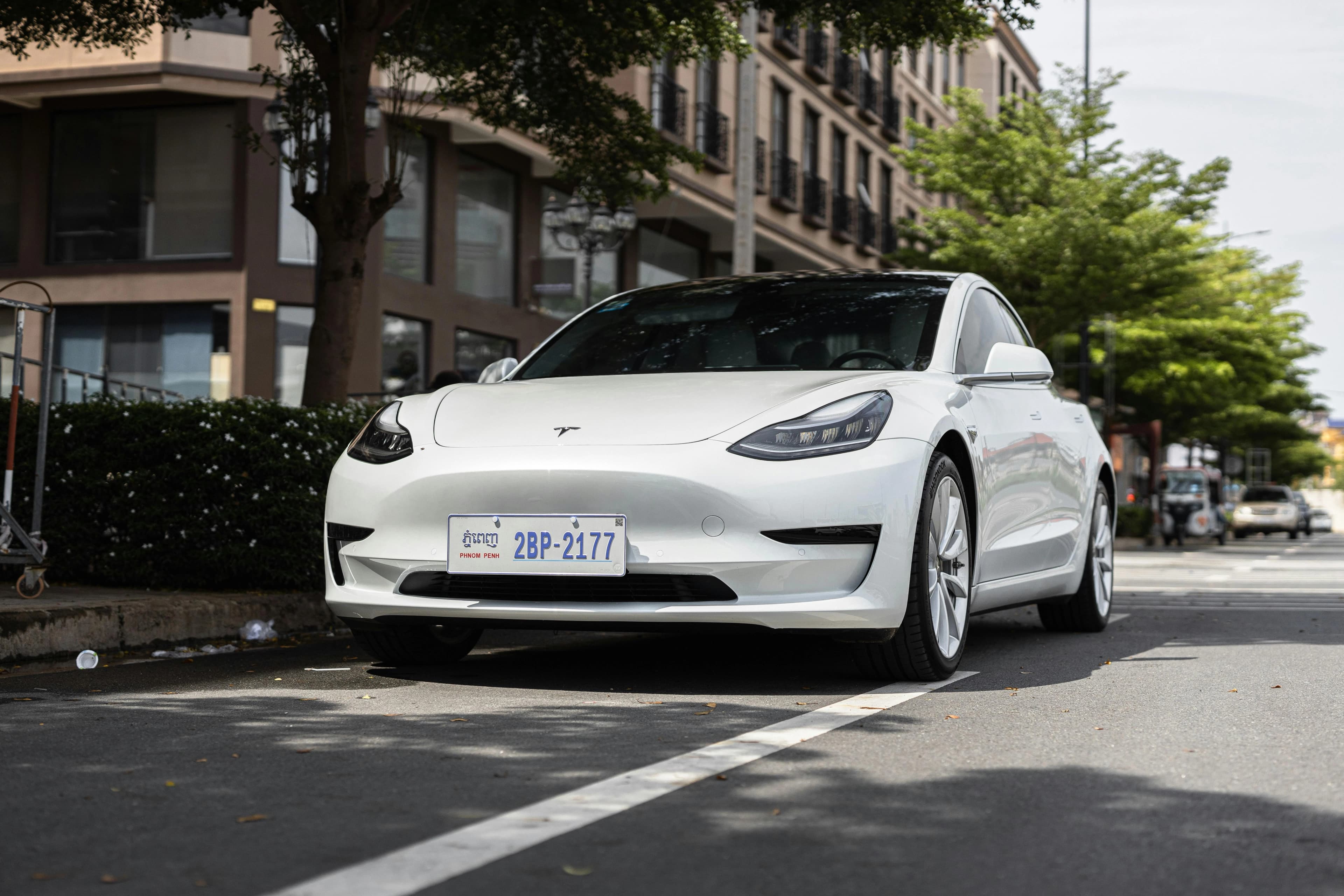
Tesla received a Transportation Network Company permit from Arizona this week, and understanding what this means for the company's autonomous vehicle strategy requires some nuance. The permit allows Tesla to operate a paid ride-hailing service in Arizona, representing meaningful regulatory progress even though it doesn't yet authorize fully driverless operation. Human drivers remain part of the equation for now.
The Arizona Department of Transportation approved Tesla's TNC application on November 17th, just four days after Tesla submitted it. The quick turnaround reflects Arizona's established reputation as one of the most welcoming states for autonomous vehicle development. The permit represents the final regulatory step to launch a commercial ride-hailing service, though Tesla's path to fully autonomous operation continues.
Here's what Tesla actually has permission to do: operate a ride-hailing service where passengers pay for rides in Tesla vehicles. The vehicles will use Full Self-Driving (Supervised), which currently requires human oversight. This positions Tesla to gather real-world operational data while building toward its broader autonomy goals.
Tesla has been running a similar service in Austin, Texas since June with safety monitors in the passenger seat. They also have limited operation in San Francisco Bay Area, functioning essentially as an employee shuttle with human drivers given California's stricter regulatory requirements. Arizona's permit gives Tesla a legal framework to charge passengers and scale operations beyond the Texas pilot.
Elon Musk has outlined ambitious timelines for fully autonomous robotaxis. He's now targeting Tesla operations in eight to ten metro areas by year's end, including Phoenix, Las Vegas, Dallas, Houston, and Miami. The TNC permit structure provides a foundation for these expansion plans while Tesla continues developing its autonomous technology.
The competitive landscape highlights different approaches to autonomous mobility. Waymo, owned by Alphabet, has been operating fully driverless taxi service in Phoenix since 2018. Waymo's fleet of over 400 autonomous vehicles operates across 315 square miles without human drivers, having completed more than 10 million driverless trips. In China, Baidu's Apollo Go provided 3.1 million fully autonomous rides just in Q3 2025.
Tesla's current approach involves supervised autonomy with human drivers present. According to NHTSA data, Tesla vehicles with automated driving systems have been involved in seven reported collisions since the Austin pilot launched—data points the company will likely use to refine its systems as it works toward full autonomy.
The central question for Tesla observers is the timeline from supervised to unsupervised operation. Musk has been championing the robotaxi vision, including hosting events showcasing the upcoming Cybercab design. Tesla's strategy bets that its vision-only approach and massive data collection will eventually match or exceed competitors using lidar sensors and high-definition mapping. The current supervised phase represents an intermediate step in that journey.
Arizona's regulatory framework is notably flexible. Under state law, companies follow self-certification to test autonomous vehicles with or without drivers. Tesla completed autonomous vehicle self-certification in September, establishing the groundwork even as commercial operations currently utilize human drivers.
The strategic calculation for Tesla is whether this phased approach effectively advances their autonomous driving development. Operating human-supervised ride-hailing generates valuable operational data and builds consumer awareness. The technical challenges of achieving reliable Level 4 autonomy remain significant for all players in this space.
The Arizona permit covers the entire state, though initial operations will likely focus on the Phoenix metro area. That places Tesla in the same market as Waymo, one of the most developed autonomous vehicle ecosystems in the country. The two companies represent different philosophies and timelines in the race toward autonomous transportation—a competition that will ultimately be decided by technological achievement and consumer adoption.