Tesla Finally Gets Real About Range With Massive OTA Update
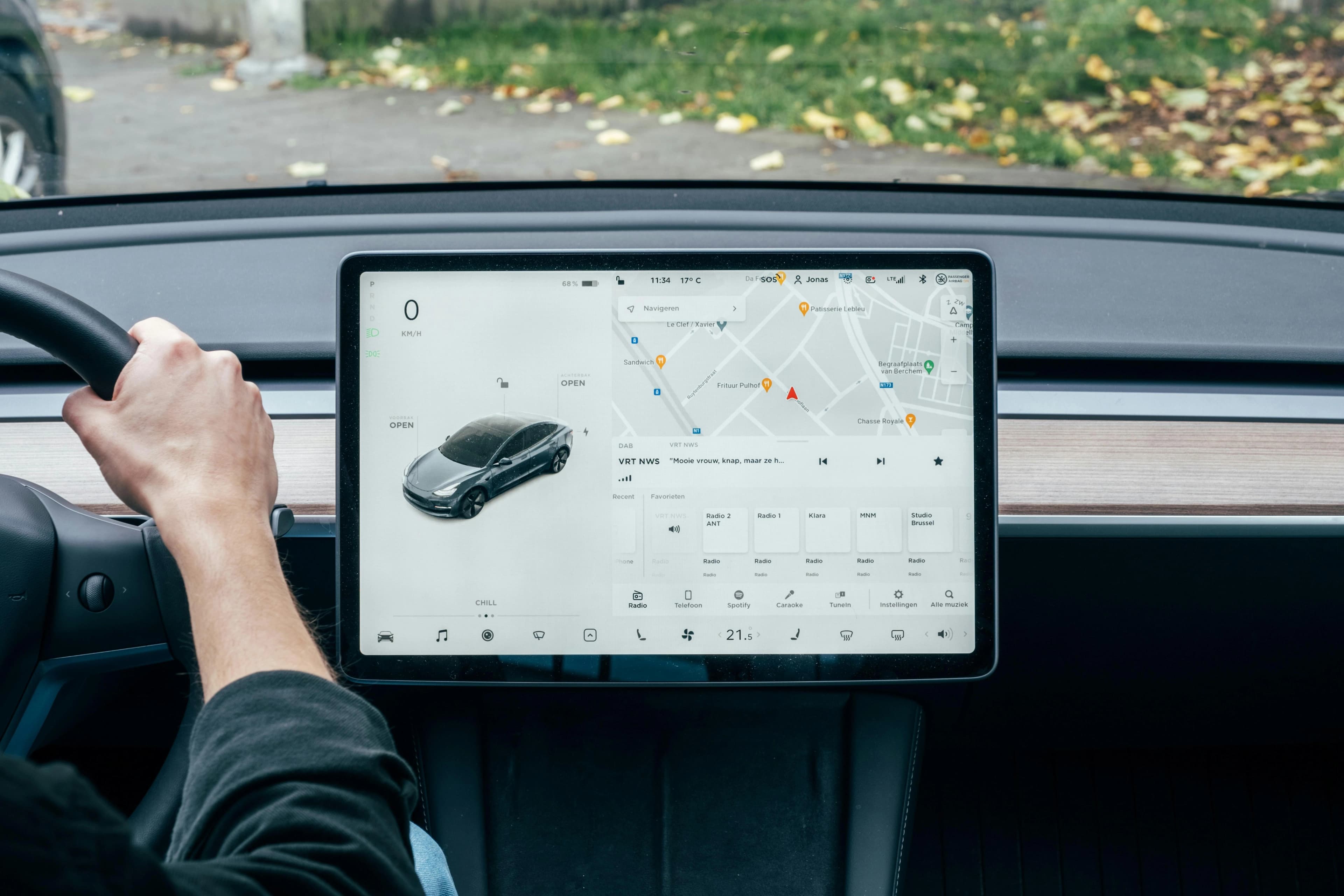
If you’ve ever driven an electric vehicle, you are intimately familiar with the concept of "trust issues." I’m not talking about whether the autopilot will mistake a moon for a traffic light; I’m talking about the range estimator. You know the drill: You get in, the screen proudly declares you have 310 miles of freedom, and then you drive 40 miles on the highway only to find that, somehow, 90 miles of range have evaporated into the ether. It’s the "Guess-O-Meter," a ubiquitous feature of EV ownership that feels less like a precise instrument and more like a weather forecaster with a gambling problem.
But today, Tesla—never one to shy away from changing the rules of the game while the game is still being played—announced a massive Over-the-Air (OTA) update targeting this exact frustration. Rolling out now to Model 3, Model Y, Model S, and Model X owners, this update isn’t about squeezing more energy out of the battery cells. The physics of lithium-ion chemistry haven't changed overnight. Instead, it’s about honesty. Tesla is essentially sending its fleet to therapy to stop lying to its owners.
For years, the "rated range" displayed on Tesla dashboards has been largely tethered to EPA cycle ideals. The EPA test is a standardized, low-speed, climate-controlled laboratory exercise that bears as much resemblance to your freezing, 75-mph commute as a sterile operating room does to a muddy football field. While other manufacturers (looking at you, Porsche and Ford) opted for wildly conservative estimates that you could usually beat, Tesla leaned into the optimism. This looked great on the window sticker but often led to the dreaded "range anxiety" when reality set in on a road trip.
According to the release notes and early analysis from the community, this new software overhaul changes the calculation logic fundamentally. It moves away from a static algorithm and embraces a dynamic, data-heavy approach. The car will now factor in a much wider array of real-time variables with greater weight. We are talking about crosswind speed and direction, ambient humidity, tire pressure variance down to the PSI, and even specific battery aging characteristics of your individual pack. It supposedly monitors your recent driving style more aggressively—so if you’ve been launching out of every toll booth like you’re qualifying for F1, the range number is going to punish you for it immediately, rather than letting you find out the hard way twenty miles down the road.
This shift is monumental for the consumer experience. It signals a maturity in the EV market. In the early days ("The Early Adopter Era"), owners were willing to do the mental math. We were pioneers! We carried slide rules in our minds, calculating kilowatt-hours per mile and compensating for head winds. But we are past that now. The average buyer of a Model Y isn’t a tech geek; they are a parent who just wants to know if they can get the kids to soccer practice and back without calling a tow truck. They don't want a math problem; they want a fuel gauge that works.
By tightening the accuracy, Tesla is admittedly taking a risk. Owners might wake up to see their "100%" charge displaying a lower number than it did yesterday. Psychologically, that’s a tough pill to swallow. It feels like a downgrade. But in practice, it is a massive upgrade in usability. A reliable 260 miles that you can bank on is infinitely more valuable than a theoretical 310 miles that leaves you stranded on the side of I-95 because you trusted the lie.
Furthermore, this update highlights the widening gap between legacy auto and the software-defined vehicle. While other owners might have to wait for a mid-cycle refresh or a dealer service visit to get a better dashboard interface, Tesla just pushed a fundamental change to millions of cars while their owners slept. It’s a flex. It’s also a reminder that in the modern automotive era, the hardware is just the canvas; the software is the art. And finally, that art is starting to look a little less like a surrealist fantasy and more like a photorealistic portrait of your actual drive.