Tesla Finally Ditches the Babysitter in Austin
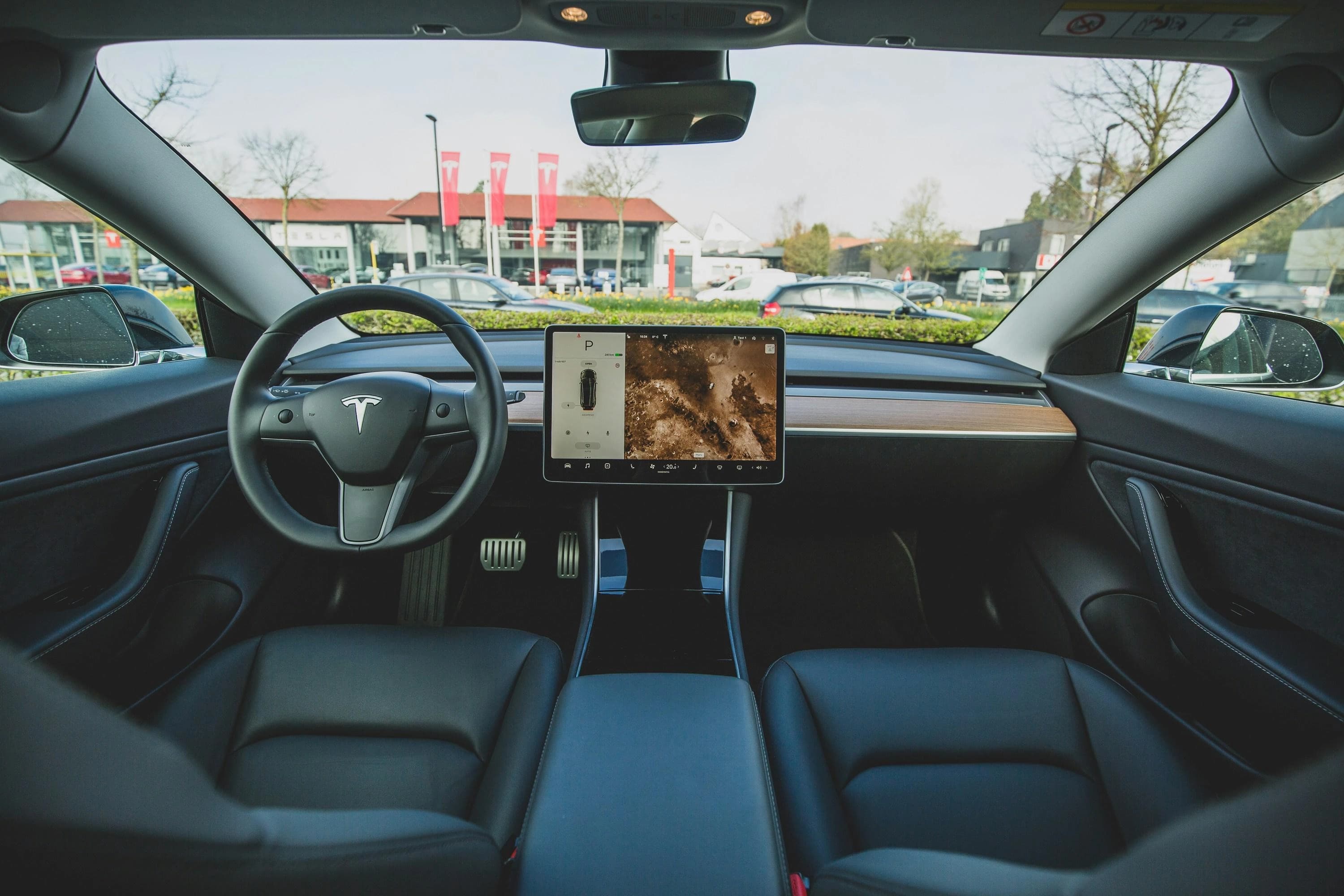
If you live in Austin, Texas, you might want to look twice at the Tesla Model 3 stopped next to you at the light today. For the first time since the company started its Robotaxi pilot, there is no human sitting in the driver’s seat. There isn’t even a human hovering nervously over a kill switch.
Tesla confirmed early this morning that it has officially removed human safety monitors from a fleet of “cyber-ready” Model 3s operating in the downtown Austin geofence. This is the moment Elon Musk has been promising (and delaying, and promising again) for half a decade. The "Unsupervised Full Self-Driving" era has, technically, begun.
For the uninitiated, this is a massive roll of the dice. Until yesterday, every “autonomous” Tesla testing on public roads had a human employee ready to grab the wheel if the AI decided to merge into a concrete barrier. Removing that failsafe is the regulatory equivalent of taking the net away from the trapeze artist. It’s a signal that Tesla believes its v13.5 software stack is finally robust enough to handle the chaos of 6th Street without human intervention.
The timing is aggressive. While Waymo has been running driverless Jags for years, they use a suite of LiDAR, radar, and high-definition maps that make their cars look like they’re wearing spinning bucket hats. Tesla is doing this with cameras alone. It’s a "vision-only" approach that relies entirely on AI interpreting pixel data in real-time. It’s impressive, sure, but it’s also terrifying if you’ve ever had your Model Y slam on the brakes because it thought a shadow was a semi-truck.
Critics are already sharpening their knives. The "Dawn Project" has likely already drafted a press release calling this a public safety hazard. And let’s be honest, they have a point. Austin traffic is not a controlled environment; it’s a gladiatorial arena involving scooters, drunk tourists, and pickup trucks the size of duplexes. If a driverless Tesla gets confused at a four-way stop today, there’s no one there to wave an apology.
However, if this works—if these cars can navigate a full day of Austin traffic without bending metal—it changes everything. It validates the billions of dollars investors have poured into the belief that a car can learn to drive just by watching, rather than by measuring lasers. It would mean that the millions of Teslas already on the road could actually become robotaxis one day, assuming the hardware holds up.
Speaking of hardware holding up, this is where the used market gets tricky. If you’re looking to buy a used Tesla that might have been part of these high-stress testing fleets, you need to be careful. A software update can fix code, but it can’t fix a suspension that’s been hammered by potholes for 10,000 autonomous miles. Tools like Price360 are essential here; their AI inspection can spot the cosmetic and structural wear that a software version number hides, helping you see if that "lightly used" Model 3 was actually a robotic workhorse.
For now, the eyes of the automotive world are fixed on Texas. Will we see a revolution in mobility, or a viral video of a Tesla paralyzed by a rogue tumbleweed? Grab your popcorn, folks. The robot uprising is here, and it’s merging into your lane.