Stop Driving Your Old Honda Before The Airbags Do It For You
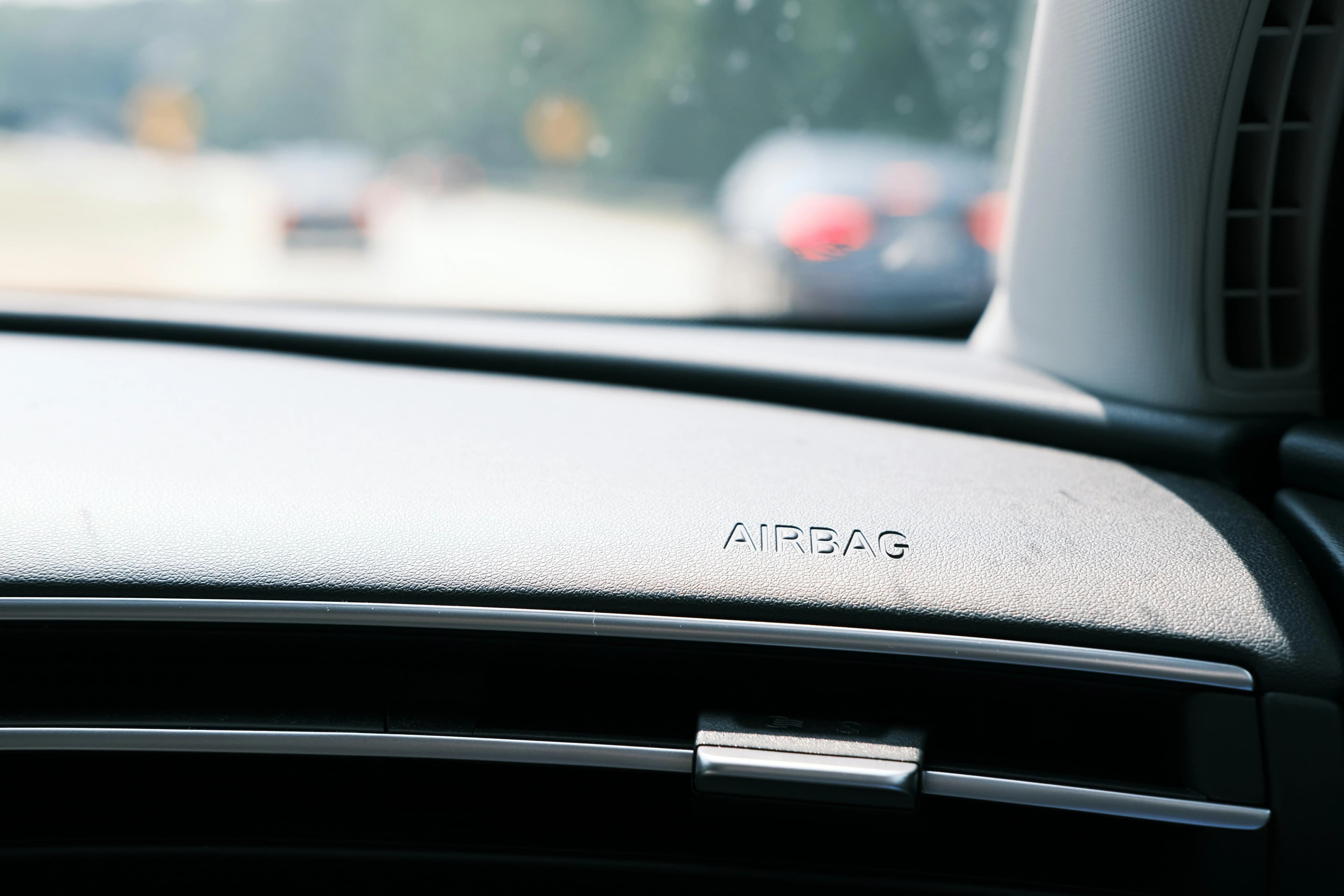
There are certain warnings in life that you can safely ignore, like the suggestion to wait thirty minutes after eating before swimming. However, when a manufacturer issues a do not drive warning, it is time to pay attention. Honda and BMW have recently escalated their alerts for several older models because the airbag inflators inside their steering wheels have reached a point of catastrophic instability. This is the latest and perhaps most urgent chapter in the long running Takata airbag saga, and it is a stark reminder that some safety features can eventually become the very thing they were designed to prevent.
The issue centers on the chemical propellant used to inflate the airbags in the event of a crash. Over many years, exposure to heat and humidity causes this propellant to degrade. Instead of a controlled burn that fills the bag with air, the chemical essentially turns into a small bomb. When the airbag deploys, the metal canister can shatter, sending shards of shrapnel into the cabin. In older vehicles that have spent a decade or more in warm climates, the risk has moved from theoretical to imminent.
Honda has been particularly vocal about certain 2001 through 2003 models, urging owners to check their VINs immediately. BMW has followed suit with similar warnings for early 2000s 3 Series and 5 Series models. The challenge is that many of these cars are now on their third or fourth owners, many of whom may not be in the manufacturer's communication database. These cars are often the reliable daily drivers of students or families on a budget, making the safety risk even more poignant.
The manufacturers are offering free towing and free repairs for these affected vehicles. There is no cost to the owner other than the time it takes to get the car to a dealership. It is a massive logistical undertaking, but it is a necessary one. The industry is currently grappling with how to handle aging safety tech in a world where cars are staying on the road longer than ever before. A car from 2002 might still run perfectly, but its internal safety systems were never intended to last forever without maintenance.
If you are currently in the market for an older used car, you need to be extremely diligent. This is where a marketplace like OptiCar can be a massive help, as it allows you to filter through millions of listings across the country to find vehicles that have had their recall work documented and completed. Buying an older car does not have to be a gamble with your life if you use the right resources to verify the vehicle's history.
This situation serves as a constructive lesson for the entire automotive world. As we move toward more complex vehicles with even more sensors and safety layers, the industry must develop better ways to track and service these components as they age. For now, the message is simple: if you own one of these older models, stop driving it and get it fixed. The inconvenience of a trip to the dealer is nothing compared to the alternative.