Stellantis Recalls 320,000 Jeep PHEVs For Battery Fires
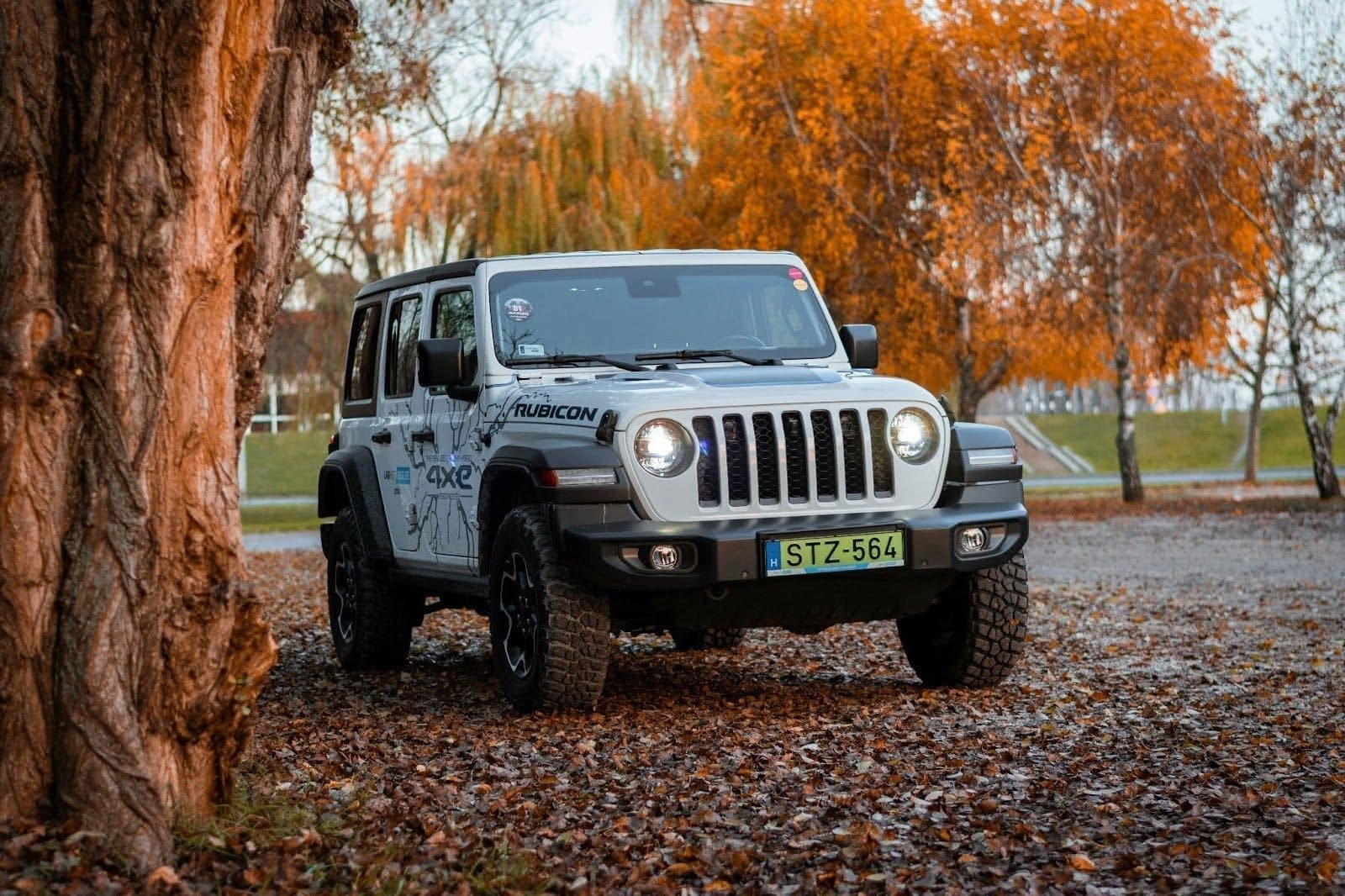
Stellantis announced this week that it's recalling approximately 320,000 plug-in hybrid Jeep Wrangler 4xe and Grand Cherokee 4xe vehicles in the United States due to potential fire risk. This marks the third recall addressing battery concerns in these models—a frustrating situation for owners and a significant engineering challenge for the automaker.
The recall covers 228,221 Wrangler 4xe models from the 2020 through 2025 model years and 91,844 Grand Cherokee 4xe models from the 2022 through 2026 model years. The company has received reports of 19 fires total, including nine from batteries in vehicles that received the software fix from the 2024 recall and 10 from batteries outside the scope of that recall. One person has been injured.
Stellantis estimates about 5% of these vehicles contain the actual defect, which means roughly 16,000 Jeeps have high-voltage battery packs with cells that may be prone to separator damage. When that separator damage combines with other complex interactions within the battery cells, thermal events can occur—whether the vehicle is parked, charging, or driving. It's the kind of unpredictability that makes diagnosing these issues particularly difficult.
The batteries were manufactured by Samsung SDI, which conducted a full analysis after a vehicle fire earlier this year and determined the problem was caused by the same defect reported in the 2024 recall. This revealed that the previous software detection method couldn't identify all problematic cells, prompting Stellantis to develop updated detection software and a revised battery replacement protocol.
Until the fix is available, Stellantis is advising owners to park their vehicles outdoors away from structures and other vehicles and to stop charging them entirely. The fire risk is reduced when the battery charge level is depleted, so the company is essentially recommending owners use their plug-in hybrids in traditional hybrid mode as a precautionary measure.
The remedy is currently under development. Owners will receive two letters: one notifying them of the recall, and another letting them know when they can schedule service. The first batch of letters will be mailed between December 2nd and December 9th, meaning owners will need to follow the parking guidelines through the holiday season while awaiting their service appointments.
This is the third recall for these vehicles. The first came in 2023. The second in October 2024, covering 154,000 vehicles. The current action covers every Wrangler 4xe and Grand Cherokee 4xe built through October 15, 2025. Rather than replacing all 320,000 batteries—a solution that would cost over a billion dollars—Stellantis will use improved software to detect which batteries have the defect and replace only those. The challenge lies in refining detection accuracy, as the previous diagnostic methods missed some affected units.
The suspect battery production period began July 1, 2020, when PHEV production started, and ended August 25, 2025. Samsung SDI identified the most likely root cause as separator damage combined with other complex interactions within the cells—a technical explanation that reflects the genuine complexity of diagnosing lithium-ion battery failures across large production volumes.
The improved remedy in this third recall includes lifetime battery replacement coverage if the software detects the flaw, with no mileage limits. That's an upgrade from the previous 100,000-mile limit and demonstrates Stellantis's commitment to standing behind affected vehicles long-term.
The Wrangler 4xe represented an ambitious effort to electrify one of the industry's most iconic vehicles while meeting increasingly stringent CAFE requirements. The Wrangler's weight and off-road design requirements make efficiency gains particularly challenging, and the plug-in hybrid powertrain was an innovative solution—though one that's now requiring substantial warranty support.
If you own a Jeep Wrangler 4xe or Grand Cherokee 4xe, watch for your recall notice and follow Stellantis's guidance: park outdoors, avoid charging, and wait for notification about service availability. The good news is that an estimated 95% of vehicles don't contain the defect, and the automaker is working to identify and remedy affected units as quickly as possible.