Stellantis Quietly Reorganizes North American Plant Schedules Ahead of 2026 Model Overhaul
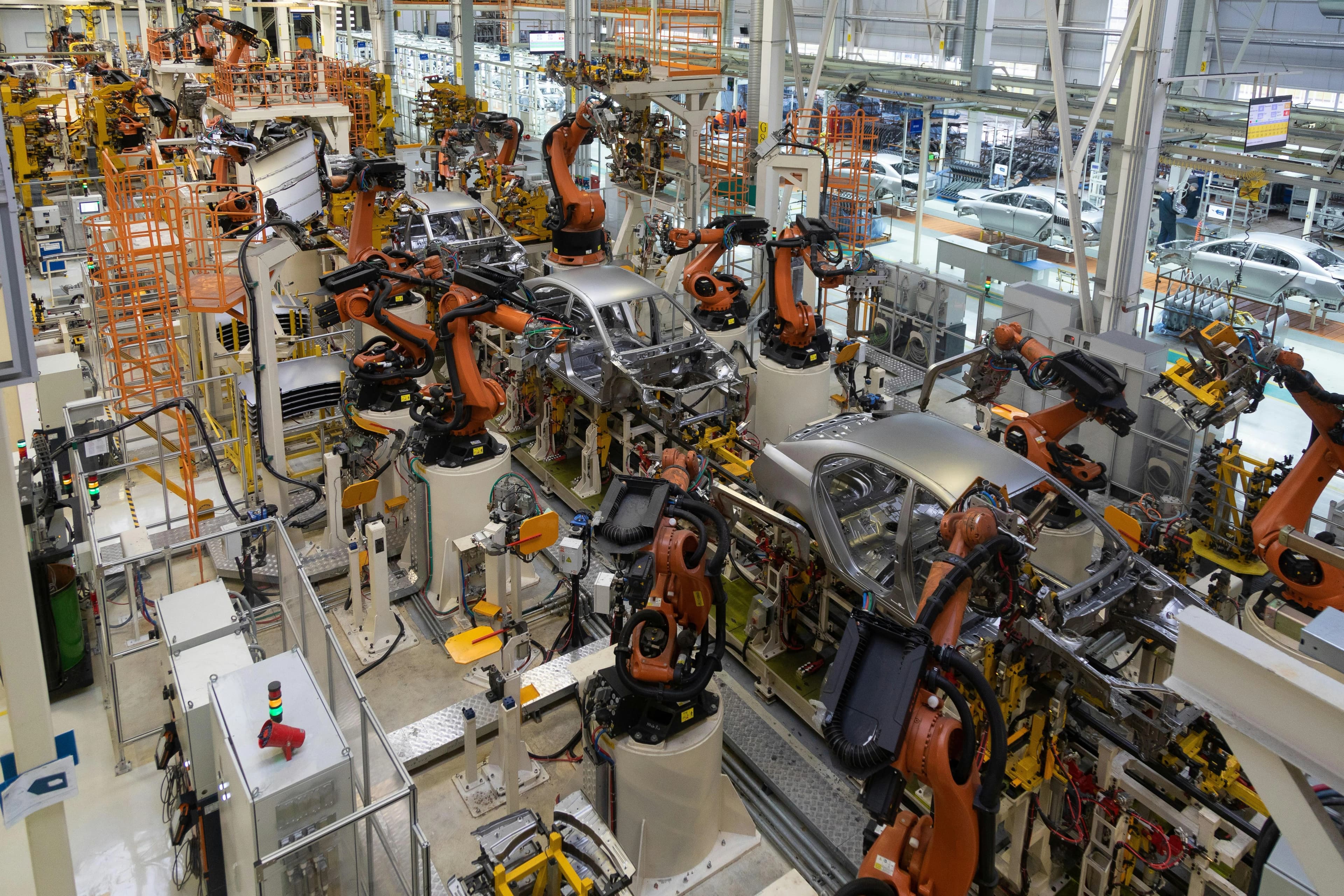
If you track factory outputs like a weirdo—which, let’s be honest, is part of the job description here—you might have noticed some strange, rhythmic silence coming from key Stellantis facilities this week. It is not a shutdown, and it certainly isn't a vacation. It is a hard reset. Reports surfacing today indicate a quiet but massive reorganization of plant schedules at Windsor and Brampton Assembly, signaling that the conglomerate is entering the final, critical prep phase for its "2026 Blitz."
The context here is vital. Stellantis has had a rough year, plagued by inventory bloat and a dealer network that has been openly revolting against high prices and stale products. But these schedule shifts suggest that the mothership is finally turning. The new Dodge Charger Daytona EV is technically here, but the volume ramp-up has been excruciatingly cautious. The new shifts at the factories suggest Stellantis is preparing to flip the switch from "pilot build" to "flood the zone" for both the electric Daytona and the Hurricane-engine "Sixpack" variants. They absolutely need these cars to land perfectly to stop the bleeding in Dodge’s market share.
More interesting, however, is the movement around the Sterling Heights plant. The Ram 1500 REV—the electric pickup with the claimed 500-mile range that is supposed to make us forget about the Cybertruck—is due for a serious push. The schedule adjustments hint that mixed-production lines, where internal combustion trucks and EV trucks run side-by-side on the same assembly belt, are being stress-tested. This is a notorious bottleneck in automotive manufacturing; if the timing is off for the EV installation stations, it slows down the entire line, killing profitability for the gas trucks too. Stellantis seems to be running dry runs to ensure they don't bankrupt themselves trying to build the future.
We are also seeing ripple effects in the supplier network. Just-in-time delivery schedules for Toledo, where the Jeep Wrangler is born, are being tweaked. This points to the imminent arrival of the Jeep Recon, the electric spiritual brother to the Wrangler. The Recon is arguably the most important enthusiast EV coming from the brand, promising doors-off, open-air off-roading with zero emissions. If the plant reorganization is clearing space for the Recon, it means we are closer to a reveal of the final production specs than we thought.
Stellantis CEO Carlos Tavares has been under immense fire for his "value over volume" strategy, which largely backfired in the US market as interest rates rose. But this manufacturing shuffle looks like a pivot back to aggressive product launches. They are clearing the decks. They are effectively purging the remaining 2024 and 2025 logistical hurdles to ensure the 2026 model year is a clean start. It is a high-stakes gamble. The 2026 model year is make-or-break for the brands. If the electric Charger and the Recon don’t hit dealer lots with flawless quality, no amount of "Hemi-free" marketing or Brotherhood of Muscle nostalgia is going to save the quarter.
This behind-the-scenes maneuvering is the industrial equivalent of an athlete stretching before the gold medal match. They have spent two years talking about their electric future, showing us concepts and teasing specs. Now, the factories are moving, the shifts are changing, and the metal is actually being cut. The silent reorganization is the loudest signal yet that Stellantis is done talking and ready to start shipping. The only question remains: will the buyers show up?