Stellantis Doubles Down on American Manufacturing
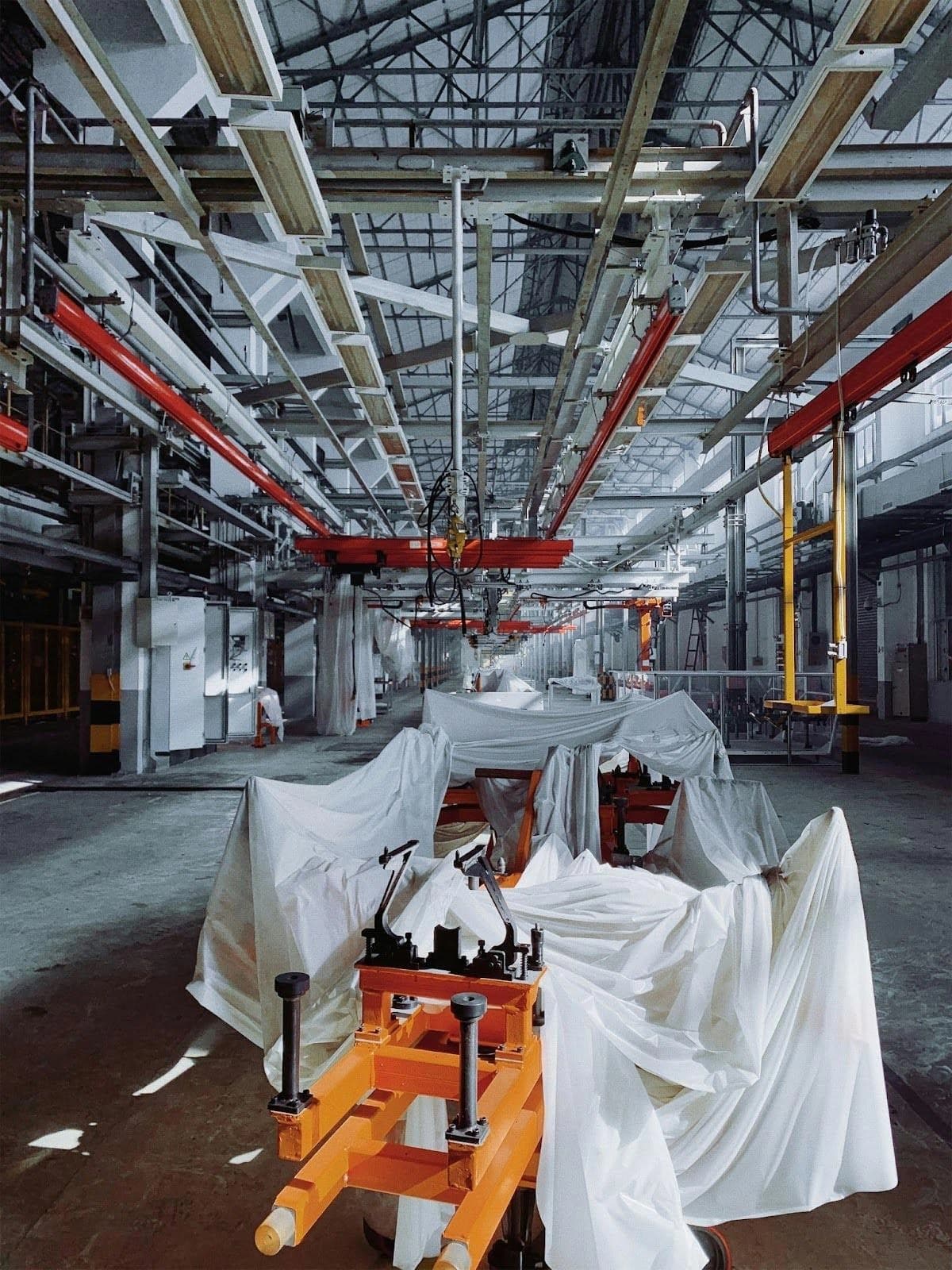
In a development that marks a significant shift in strategy, Stellantis announced a $1.6 billion investment in American manufacturing facilities. The company that has been navigating the complex landscape of global manufacturing economics and market transitions has apparently concluded that doubling down on American production might actually be the winning play. Sometimes the old ways are the best ways.
The investment will be split across multiple facilities, with the biggest chunk going to the Warren Truck Assembly in Michigan, which currently builds the Jeep Wagoneer and Grand Wagoneer. Those massive SUVs have been remarkably successful for Stellantis, so expanding capacity makes strategic sense. The plant will get new tooling, updated automation, and presumably some fresh coffee for the break room, because $1.6 billion should cover at least decent coffee.
Toledo Assembly in Ohio is also getting a substantial upgrade, preparing for the next generation of Jeep Wrangler production. The Wrangler remains one of those rare vehicles that sells regardless of gas prices, economic conditions, or whether it makes any practical sense for most buyers' daily commutes. It's a cultural icon with four-wheel drive, and Stellantis knows not to mess with a good thing.
But here's where it gets interesting: Stellantis is also investing in EV production capacity, specifically for the upcoming electric Ram trucks and Jeep models. This is significant because the company, like much of the industry, has been navigating the challenging transition from traditional powertrains to electrification. The new investment suggests they're moving beyond pilot programs and into serious, scaled production commitments.
The announcement comes with promises of job creation – roughly 2,500 new positions across all facilities – which is excellent news for American workers in an industry that has seen significant transformation over the past decades. Of course, many of these jobs will require retraining for EV production, which reflects the reality that automotive manufacturing is evolving rapidly, and the skills needed are changing with it.
The timing of this announcement reflects the multiple pressures facing automakers today. Stellantis has been balancing labor negotiations, political considerations, and competitive dynamics in a rapidly changing market. The company's previous capacity adjustments were responses to real market challenges, but the investment announcement shows they're finding ways to make American manufacturing work within their global strategy. It turns out that when market conditions align and the right incentives exist, billion-dollar investments can make compelling business sense.
Critics will point out that more investment sooner would have been preferable, and that $1.6 billion, while substantial, represents just a portion of what a major automaker generates in revenue. They're not wrong. But criticizing investment is a bit like complaining about free pizza – sure, you'd prefer the circumstances were different, but you'll still appreciate it when it arrives.
The real test will be whether Stellantis follows through on these promises. The automotive industry has a long, storied history of announcing big investments and then quietly adjusting them when market conditions change. But with increased union attention, political scrutiny, and genuine competitive pressure from both domestic and international manufacturers, Stellantis has plenty of incentive to deliver.
So let's call this what it is: a substantial and strategically important investment in American manufacturing that addresses real needs and creates real opportunities. Is it everything everyone wanted? Probably not. But it represents a meaningful commitment to domestic production at a time when the industry faces unprecedented challenges in transitioning to new technologies. Sometimes progress happens in stages, and this is a significant step forward. Now if the industry as a whole can navigate quality challenges, market transitions, and consumer expectations, we'll really be making progress. One step at a time.