Software Updates Are Now a Selling Point, Not a Footnote
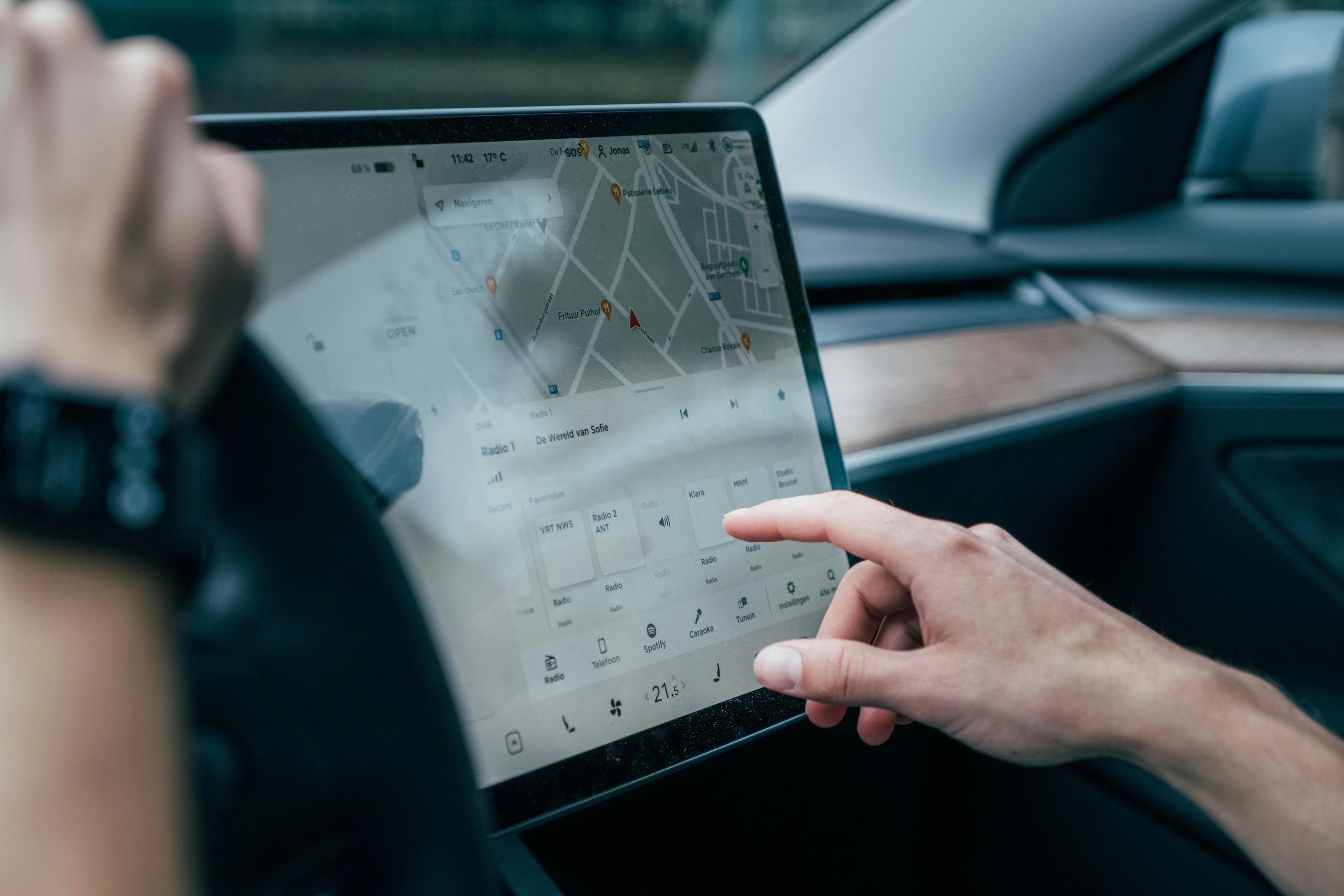
There was a time, not so long ago, when you bought a car and that was it. The features it had on the showroom floor were the features it had until the day it hit the scrap heap. If you wanted more power, you changed the intake. If you wanted better navigation, you suction-cupped a Garmin to the glass. But as we close out 2025, that era is officially dead. We have entered the age of the Software-Defined Vehicle, where the most important spec on the sheet is no longer the displacement of the engine or the chemistry of the battery, but the frequency and depth of the over-the-air updates.
Automakers have realized that the vehicle is no longer a static product but a living platform. This shift has turned software updates from a footnote in the manual into a primary selling point. Modern cars are now being marketed as "mutation-capable," a term that sounds like it belongs in a sci-fi flick but actually refers to the car's ability to evolve over time. Want ten more horsepower for a weekend road trip? There is an update for that. Want the latest generative AI concierge to help you find a vegan taco stand in rural Ohio? Just wait for the next push. The car you drive home today might legitimately be a better, more capable machine in six months, provided you stay within the good graces of the manufacturer’s digital ecosystem.
However, this brave new world comes with a set of questions that every consumer needs to ask before they sign the paperwork. The most pressing issue is the "support window." Just as your smartphone eventually becomes too slow to run the latest apps, cars are now facing a future of digital obsolescence. Buyers are starting to inquire about how many years of updates are guaranteed and whether the vehicle’s hardware can keep up with future software demands. We are also seeing the rise of "feature gating," where the hardware for a heated seat or a faster charging rate is already in the car, but you have to pay a monthly subscription to turn it on. It is a controversial trend, but one that manufacturers are doubling down on as they hunt for recurring revenue.
The integration of Generative AI is the latest frontier in this software war. Instead of clunky voice commands that require you to speak like a robot, new systems are becoming true digital assistants that learn your habits and anticipate your needs. They can manage your schedule, troubleshoot minor mechanical warnings in plain English, and even adjust the driving dynamics based on your stress levels. It is impressive tech, but it also means the car is collecting more data than ever before. Consumers are now weighing the convenience of a "smart" car against the privacy implications of a vehicle that knows exactly where they go and what they talk about.
For those looking to jump into the most tech-forward vehicles on the market, navigating the options can be overwhelming. The gap between a manufacturer that treats software as an afterthought and one that treats it as a core competency is wider than ever. If you are looking to shop for a vehicle that stays relevant in this fast-paced environment, the OptiCar marketplace is a great place to start your search, offering a look at millions of vehicles with the latest connected features. As the industry continues to prioritize code over chrome, the most important tool in your garage might just be a high-speed Wi-Fi connection.