Soft-Touch Sanity: Why Luxury Brands Are Finally Quitting Their Screen Addiction
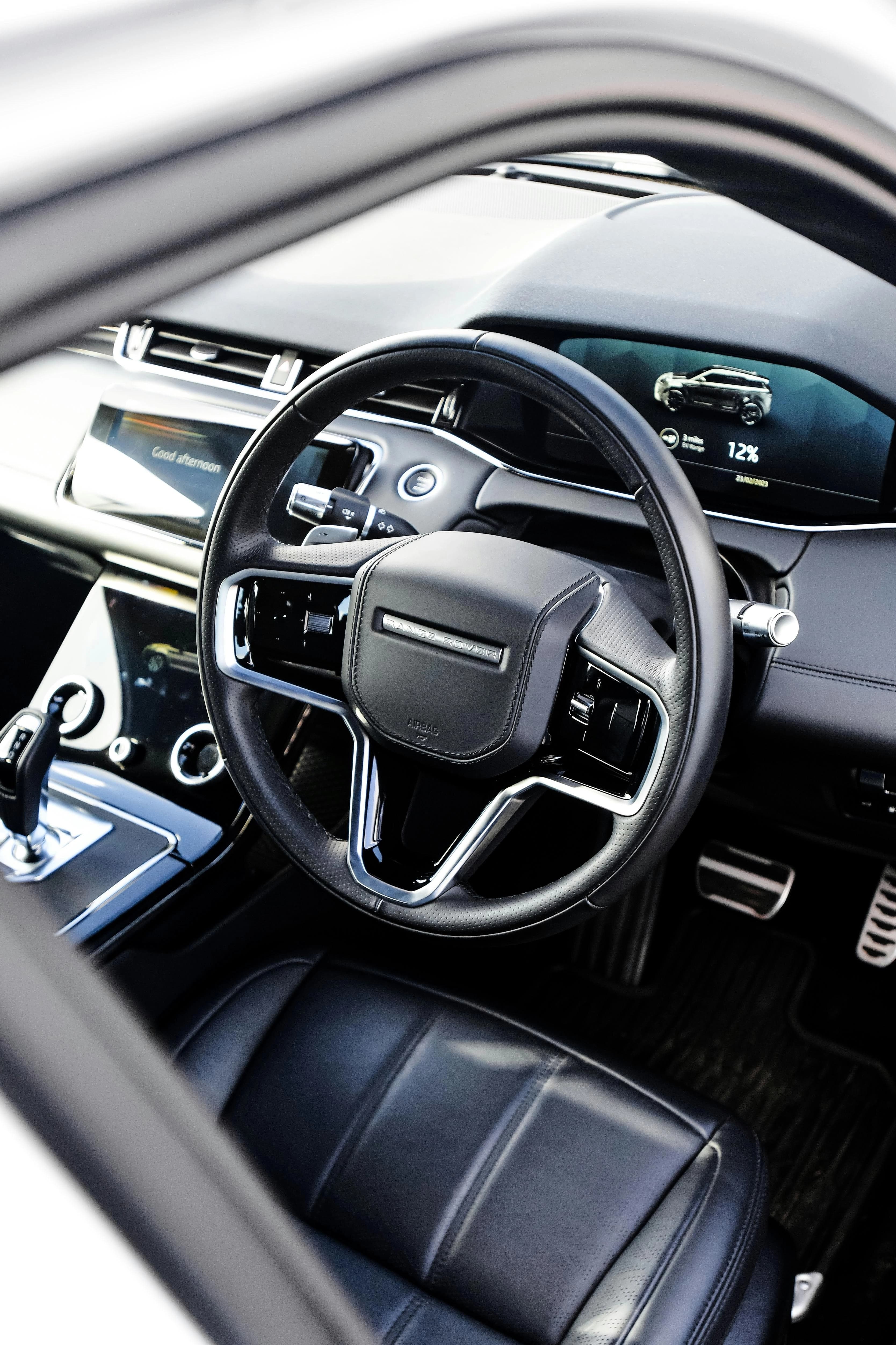
For the last decade, automotive "luxury" was defined by how many pixels you could cram into the dashboard. If you didn't have a screen large enough to be seen from the International Space Station, you were basically driving a tractor. But as we look at the 2026 model year announcements surfacing this December, the "Interior Arms Race" has officially shifted gears. The iPad-on-wheels era is hitting a wall of "tech fatigue," and luxury manufacturers are responding by pivoting back to what they used to be good at: craftsmanship and materials that actually feel expensive.
The data backs up this tactile revolution. For years, the industry thought that more software meant more prestige. However, recent buyer sentiment surveys from late 2025 show a sharp decline in "tech satisfaction" among luxury owners. The novelty of a 50-inch "Hyperscreen" wears off the third time you have to navigate three sub-menus just to turn on the heated steering wheel or adjust a vent. For 2026, the real status symbol isn't the software version—it’s the stuff you’re sitting on and the knobs you’re turning.
We are seeing a massive surge in "sustainable luxury" materials that sound more like something you’d find at a high-end spa than a car factory. Brands like Mercedes-Benz, BMW, and even Lucid are realizing that while screens are cheap to manufacture, they feel cheap to the touch. The upcoming 2026 lineups are leaning heavily into olive leaf-tanned leather, textiles made from recycled ocean plastic that actually feel like high-end wool, and real, honest-to-God metal. It’s a move away from the cold, sterile, plastic-heavy cabins of the early 2020s toward environments that feel intentional and, frankly, worth the $100,000 sticker price.
This isn't just about being "green," though that’s the marketing angle. It’s about a "Perceived Quality" war. Luxury buyers are increasingly vocal about the "hollow" feeling of modern interiors where everything is a touch-capacitive plastic surface. To combat this, 2026 models from brands like Range Rover and Audi are reintroducing heavy-weight knurled metal knobs and open-pore wood with actual grain you can feel. We’re even seeing the rise of "shy tech"—touch-sensitive wood or fabric panels that only light up when you need them, hiding the complexity until it’s actually required.
This shift is also going to have a massive impact on the resale market. Historically, high-tech features aged about as well as a bowl of shrimp in the sun. Five-year-old screens look pixelated and sluggish, but high-quality leather and well-finished aluminum are timeless. Dealers are beginning to notice that "material-heavy" luxury builds are holding their value better than "tech-heavy" ones. If you’re looking to find one of these craftsmanship-first models without getting lost in a sea of basic builds, OptiCar is the place to start. Its marketplace allows you to filter through millions of listings to find vehicles that prioritize "Extended Leather" or "Executive Wood" packages over the latest (and soon-to-be-obsolete) infotainment upgrades.
The takeaway for the enthusiast is clear: the era of the "glitchy tablet" interior might finally be coming to an end. Manufacturers have realized that luxury is a sensory experience, not a software update. While there will still be plenty of chips and sensors hidden under the skin to keep the car running, the part you actually touch is getting a much-needed upgrade. In 2026, the most impressive thing about a luxury car won't be its 0-60 time or its autonomous driving suite—it will be the fact that the door handle feels like it was carved from a solid block of history rather than stamped out of a bucket of melted Legos.