Sixty Grand for a "Budget" SUV? Welcome to the Rivian R2 Launch
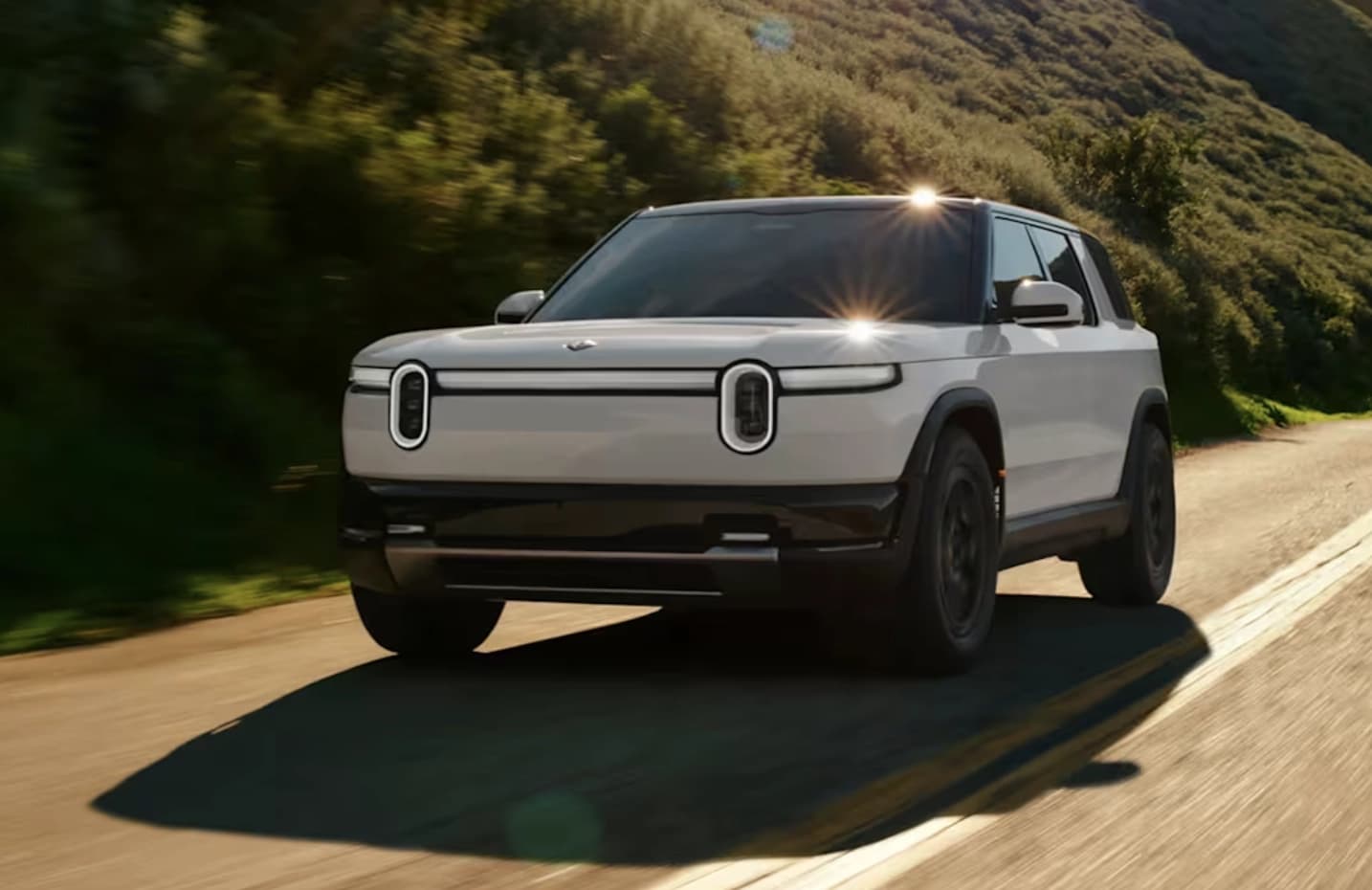
Image courtesy of Rivian
For a while now, the automotive world has treated the Rivian R2 like a savior in a flannel shirt. It was the promised vehicle that would take the granola-infused, adventure-ready DNA of the massive R1S and shrink it down into something that wouldn’t require a second mortgage or a commercial driver’s license to park at Whole Foods. On March 12, 2026, at the South by Southwest festival in Austin, the wait finally ended. Rivian officially opened the books on the R2, revealing a pricing structure that is both ambitious and a very sober reminder of how expensive it is to build the future.
The headline everyone wanted was that forty-five thousand dollar starting price. Rivian stuck to their guns on that number, which is a rare feat in an industry where launch prices usually drift upward like a lost weather balloon. However, there is a catch that would make any seasoned car buyer squint. If you want the R2 that costs forty-five thousand dollars, you are going to be waiting until late 2027. For the early adopters who have been holding onto their reservations with white-knuckled anticipation, the entry fee is significantly higher.
First out of the gate is the R2 Performance with Launch Package, which will start hitting driveways this spring. That version carries an MSRP of fifty-seven thousand nine hundred and ninety dollars. Once you factor in the obligatory one thousand four hundred and ninety-five dollar destination fee, you are looking at nearly sixty thousand dollars for the privilege of being first. It is a classic move from the startup playbook: sell the high-margin, fully loaded versions first to keep the lights on, then slowly work your way down to the people who just want a cool electric SUV for the school run.
Underneath the boxy, charming exterior, the R2 Performance is genuinely impressive. It packs a dual-motor all-wheel-drive system producing six hundred and fifty-six horsepower. That is an absurd amount of power for a mid-size SUV, allowing it to rocket from zero to sixty miles per hour in just three point six seconds. For context, that is faster than many dedicated sports cars from just a few years ago. While most owners will likely use that power to merge onto the freeway slightly faster than necessary, it is good to know the capability is there if you ever need to outrun a sudden storm in the Sierras.
Practicality remains the core of the Rivian brand, and the R2 brings some clever party tricks to the table. The most talked-about feature is the rear glass that rolls completely into the liftgate. It is a feature that has been missing from the market for far too long, and it allows for hauling long gear like surfboards or lumber without having to leave the entire trunk open. Inside, the seats fold completely flat, turning the cabin into a legitimate camping pod for two people. The interior features new birch wood accents and haptic halo dials on the steering wheel, providing a tactile experience that feels more premium than the stark, screen-heavy interiors found in some competitors.
Of course, no modern EV launch is complete without a discussion about software and autonomy. Every R2 comes equipped with eleven cameras and five radars to support Rivian’s Autonomy Plus system. This is a hands-free driving suite that covers over three million miles of roads in North America. The catch here is the cost. Unless you opt for the Launch Edition, which includes a lifetime subscription, you will be looking at either a forty-nine dollar monthly fee or a twenty-five hundred dollar one-time purchase to keep those sensors active. It is a sign of the times, where the hardware you bought is only as useful as the subscription you maintain.
As the R2 moves toward mass production, it enters a incredibly crowded segment. It isn’t just competing with the Tesla Model Y anymore; it is going head-to-head with established giants and a new wave of highly competitive electric crossovers. For buyers trying to decide if the R2 is worth the premium over a used R1S or a new competitor, the transparency of the market is key. Using a tool like OptiCar can help you compare these new listings against what is already on the ground, ensuring you aren't paying a pioneer tax that you can't justify.
Ultimately, the R2 is the vehicle that will determine if Rivian becomes a permanent fixture in the American driveway or a beautiful footnote in automotive history. By pricing the Launch Edition at sixty thousand dollars, they are betting that the brand’s rugged, enthusiast-focused image is strong enough to command a premium. It looks the part, the specs are there, and the gimmicks are genuinely useful. Now, they just have to build enough of them to prove that the forty-five thousand dollar version isn't just a mirage.