Seven Hundred Fifty Miles On One Charge Means Range Anxiety Is Officially Dead
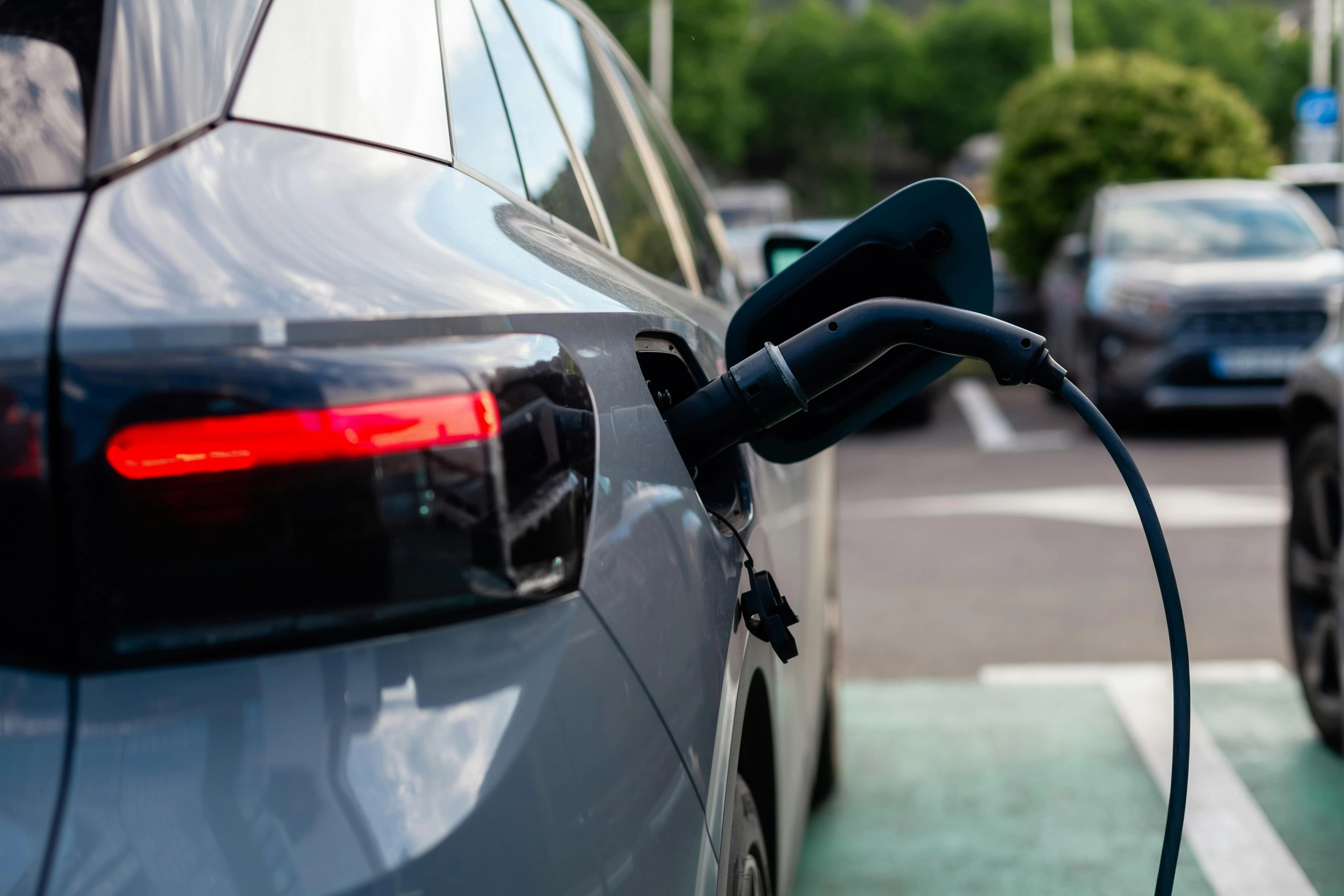
For years the automotive industry has treated solid state batteries like a technological mirage. Every few months a new press release would claim the breakthrough was just five years away. The promise of lighter packs, faster charging, and massive range seemed permanently stuck in the research phase. But today the landscape shifted dramatically. Factorial Inc., a battery developer backed by some of the biggest names in the business, has officially gone public on the Nasdaq. To celebrate their financial debut they decided to skip the usual corporate fanfare and instead let their engineering do the talking. They dropped their latest solid state cells into a Mercedes EQS test vehicle and sent it on a road trip. The result was a staggering 750 miles on a single charge.
That distance fundamentally changes the math for electric vehicle adoption. Driving 750 miles, which equates to roughly 1205 kilometers, covers the distance from New York City to Atlanta without a single stop for electrons. Range anxiety has long been the primary hurdle for mainstream buyers who hesitate to leave the comfort of gasoline stations. While public charging infrastructure continues to improve across the country, giving a vehicle enough onboard energy to completely bypass those stops on a full day of driving removes the most significant mental barrier to entry. For luxury sedans like the EQS, which are built entirely around the concept of effortless high speed cruising, this technology transforms them into ultimate grand tourers.
The secret sauce behind this leap in capability is the elimination of the liquid electrolyte found in traditional lithium ion batteries. By using a solid conductive material, Factorial has managed to pack significantly more energy into the exact same physical footprint. This greater energy density means automakers can choose between two very appealing paths. They can either keep the battery size the same and offer massive range figures like the 750 mile benchmark we just witnessed, or they can shrink the battery pack by half while maintaining a standard 300 mile range. Shrinking the battery reduces the overall vehicle weight drastically, which improves handling, reduces tire wear, and cuts down on manufacturing costs.
The financial backing Factorial carries into this public offering is just as impressive as the test results. Mercedes Benz, Stellantis, and Hyundai have all poured substantial capital into the company. These legacy automakers are not simply throwing money at a science fair project. They are investing in the very architecture that will underpin their next generation of vehicles. The transition to electric propulsion has been incredibly expensive for traditional manufacturers, requiring them to completely overhaul factories and retrain massive workforces. Having a reliable, scalable solid state battery partner gives these companies a crucial competitive edge in an increasingly crowded global market.
Moving from a highly controlled test vehicle to mass production is the next great hurdle. Scaling up manufacturing to meet the immense volume demands of global automakers introduces entirely new logistical challenges. Building a handful of perfect cells for a prototype is vastly different from producing millions of units flawlessly on an assembly line. The stock market reacted with understandable enthusiasm to the debut, knowing that this public offering provides Factorial with the immense capital required to build out those production facilities. We are finally moving out of the laboratory and into the real world. The era of the thousand kilometer road trip on a single charge is no longer a distant promise. It is parking in the driveway right now.