Say Goodbye To The Suburban Car Mall As Single-Brand Dealerships Take Over
Automakers are tearing down multi-brand dealerships in favor of sleek single-label boutique stores, making vehicle shopping a lot more exclusive and a bit more complicated.
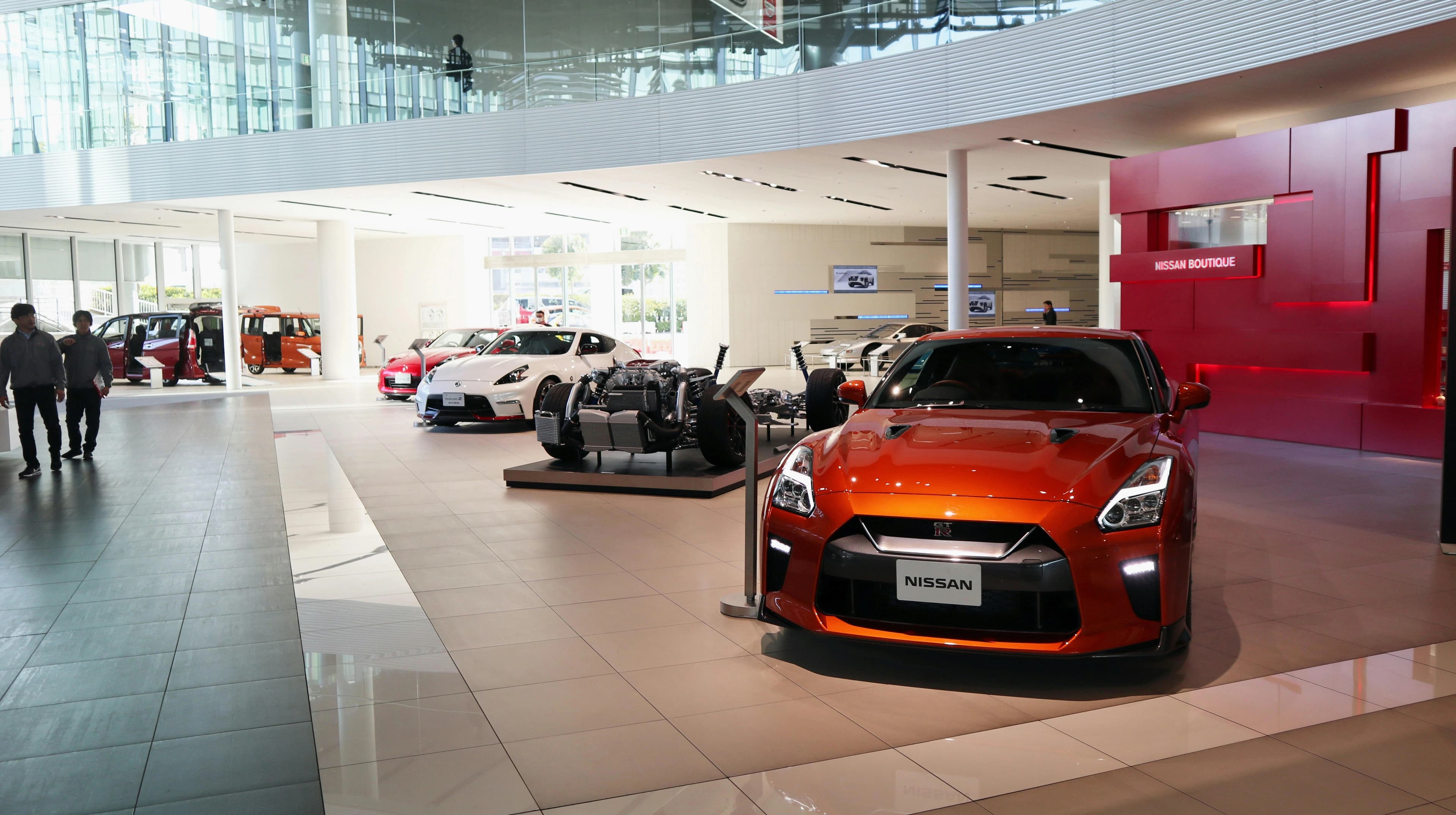
Cast your mind back to the classic suburban automall of twenty years ago. You could park your family sedan in a sprawling ocean of asphalt, stroll past a row of shiny Buicks, wander directly into a GMC showroom, cross an alleyway to look at Pontiacs, and maybe peek at a Cadillac before grabbing lunch. Dealership groups loved bundling four or five different badges under one giant corrugated metal roof. It was convenient for buyers, cost-effective for dealers, and smelled faintly of fresh coffee and floor wax. But according to the latest industry census data, the era of the all-in-one multi-franchise mega-lot is quietly drawing to a close, replaced by dedicated single-brand sanctuaries.
The 2026 Automotive News dealer census reveals a significant structural shift in how retail auto sales operate across the country. While the total number of physical dealership locations held virtually flat at 18,300 stores nationwide, the number of exclusive single-brand retail locations surged to 13,351. At the same time, the total count of individual brand franchises dropped by 442 across the industry. In plain English: automakers are actively trimming retail clutter, eliminating redundant franchise points, and demanding that dealer principal partners erect dedicated glass temples devoted exclusively to a single badge.
So why is the traditional multi-brand dealership lot disappearing from suburban commercial strips? The answer lies in automaker strategic planning and aggressive franchise buyout programs. Over the past few years, General Motors offered generous buyouts to Buick dealers who chose not to invest heavily in specialized electric vehicle tooling and service infrastructure. More than a thousand Buick franchise points vanished as a result, leaving hundreds of standalone GMC locations operating on their own. Meanwhile, Ford executed a multi-year strategy to shrink Lincoln's retail footprint to under three hundred stores, aiming to boost sales throughput and profitability per location. Over in the luxury sector, Jaguar Land Rover trimmed Jaguar's dealer count by twenty-five percent down to ninety-two stores as part of its brand transition into an ultra-luxury electric player.
The 2026 Automotive News dealer census reveals a significant structural shift in how retail auto sales operate across the country. While the total number of physical dealership locations held virtually flat at 18,300 stores nationwide, the number of exclusive single-brand retail locations surged to 13,351. At the same time, the total count of individual brand franchises dropped by 442 across the industry. In plain English: automakers are actively trimming retail clutter, eliminating redundant franchise points, and demanding that dealer principal partners erect dedicated glass temples devoted exclusively to a single badge.
So why is the traditional multi-brand dealership lot disappearing from suburban commercial strips? The answer lies in automaker strategic planning and aggressive franchise buyout programs. Over the past few years, General Motors offered generous buyouts to Buick dealers who chose not to invest heavily in specialized electric vehicle tooling and service infrastructure. More than a thousand Buick franchise points vanished as a result, leaving hundreds of standalone GMC locations operating on their own. Meanwhile, Ford executed a multi-year strategy to shrink Lincoln's retail footprint to under three hundred stores, aiming to boost sales throughput and profitability per location. Over in the luxury sector, Jaguar Land Rover trimmed Jaguar's dealer count by twenty-five percent down to ninety-two stores as part of its brand transition into an ultra-luxury electric player.
Upstart premium brands are following the exact same playbook. When Hyundai first launched its luxury spinoff Genesis, prospective buyers picked up their twin-turbo luxury sedans in the quiet corner of a high-volume Hyundai showroom next to a base-trim Elantra. Today, Genesis has rapidly expanded its standalone retail footprint, celebrating eighty-four exclusive boutique stores across North America. Automakers firmly believe that when a buyer spends eighty thousand dollars on a premium luxury crossover, they expect a calm lounge, custom espresso bar, and tailored architectural lighting, rather than the bustling noise of an economy car service department next door.
From a pure business perspective, the strategy is delivering tangible results. Average vehicle throughput per franchise rose over four percent last year across the industry, with market leaders like Toyota averaging more than seventeen hundred vehicle sales per location. However, for everyday car buyers, the rise of mono-brand retail stores means shopping for a new vehicle requires a bit more driving around town. Instead of comparing three different competing brands under a single dealer roof, shoppers now have to hop between isolated brand-exclusive glass boxes scattered across commercial corridors.
Fortunately, modern digital car shopping tools help bridge that physical gap. Rather than spending an entire Saturday trekking between separate single-brand dealerships, consumers can turn to online marketplaces like OptiCar to browse millions of new and used vehicles nationwide. OptiCar allow buyers to compare prices, trim levels, and features across every major manufacturer from the comfort of their couch before ever setting foot in a single showroom. Whether you prefer the sleek exclusivity of a single-brand boutique or simply want the best deal on a new ride, the automotive retail landscape has officially shifted into a brand-new era.
Fortunately, modern digital car shopping tools help bridge that physical gap. Rather than spending an entire Saturday trekking between separate single-brand dealerships, consumers can turn to online marketplaces like OptiCar to browse millions of new and used vehicles nationwide. OptiCar allow buyers to compare prices, trim levels, and features across every major manufacturer from the comfort of their couch before ever setting foot in a single showroom. Whether you prefer the sleek exclusivity of a single-brand boutique or simply want the best deal on a new ride, the automotive retail landscape has officially shifted into a brand-new era.