Rivian’s Roller Coaster: Revenue Pops on Pre-Credit Rush, Reality Still Bites
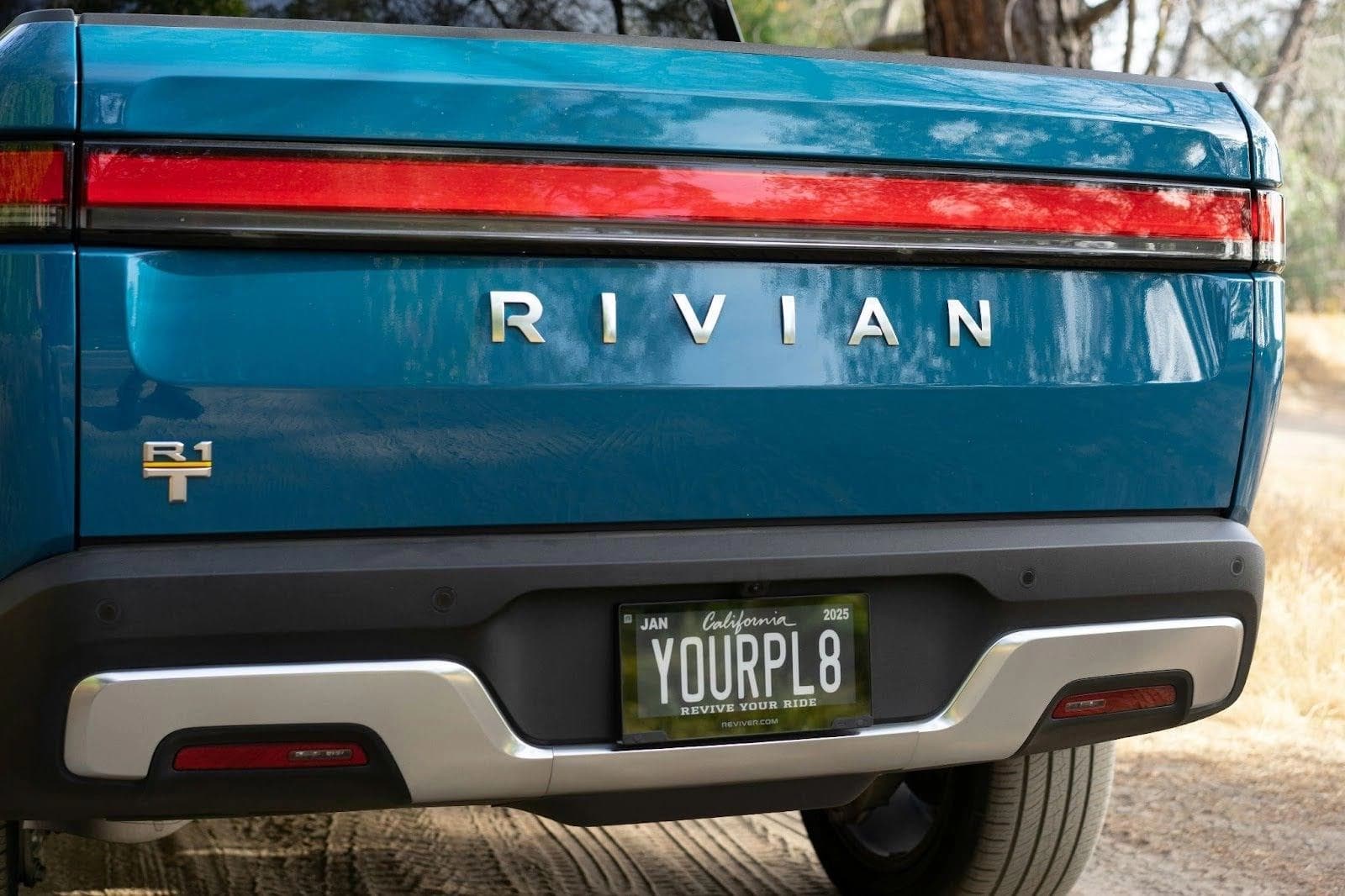
Rivian’s latest earnings call felt like déjà vu for the EV world: record revenue, swelling enthusiasm, and the same stubborn question hanging in the air—can this company actually make money? The Q3 2025 numbers delivered a rare double take. Revenue jumped 24% year-over-year, handily beating analyst estimates, thanks to a surge of deliveries before U.S. federal EV tax credit changes took effect. Investors cheered, the stock popped double digits, and Rivian’s PR team enjoyed a brief victory lap. But the fine print tells a more nuanced story—one of progress, pressure, and precarious momentum.
The good news first. Production at Rivian’s Normal, Illinois plant continues to improve after years of bottlenecks. The company hit its 50,000-unit annualized run rate target ahead of schedule and has trimmed per-vehicle assembly time by nearly 20%. Warranty costs—a long-time sore spot for young EV makers—are finally declining as build quality stabilizes. CEO RJ Scaringe also touted progress on the upcoming R2 platform, a smaller, more affordable SUV aimed at broadening Rivian’s customer base beyond early adopters.
Demand isn’t the problem. Even with incentive uncertainty clouding the market, Rivian’s R1T pickup and R1S SUV remain darlings among affluent EV buyers who want adventure-cred over autopilot minimalism. The brand has carved out a niche between Tesla’s tech obsession and Ford’s mass-market pragmatism—offering vehicles that feel premium without being sterile. Social buzz and owner loyalty are strong; Rivian’s satisfaction scores rival Porsche and outperform most luxury brands.
But that doesn’t pay the bills. Rivian still posts steep losses, and its gross margins remain negative, albeit less so than before. Raw material costs, logistics overhead, and an immature supply chain keep profitability out of reach. For every truck that rolls off the line, Rivian is still leaving money on the table. Analysts estimate the company needs to hit around 75,000 annual deliveries and sustain consistent supplier pricing to reach breakeven.
The Q3 revenue beat was fueled by an unusual wind: customers rushing to take delivery before updated tax-credit rules phased in. Many buyers effectively “pulled forward” orders into September to secure the full federal incentive, boosting short-term numbers but borrowing from Q4 demand. That’s the incentive cliff problem—strong one quarter, soft the next.
The challenge now is structural, not situational. Rivian must show it can thrive without policy tailwinds. Its direct-to-consumer model limits overhead but also constrains scale. Service centers are expanding, yet owners in secondary markets still face long waits for repairs or parts. To address this, Rivian is piloting third-party repair partnerships—a controversial but necessary step for long-term viability. If executed well, it could transform Rivian from a boutique brand into a scalable manufacturer with nationwide support.
There’s also pressure from competition. Ford’s F-150 Lightning, GM’s Silverado EV, and Tesla’s long-teased Cybertruck all target similar price bands. As those models mature, Rivian will need sharper cost discipline to maintain its premium-without-pretense positioning. The R2 line will be crucial: a smaller, $45,000-to-$55,000 EV SUV that can appeal to families and fleets alike. Its success could define Rivian’s entire second act.
Investors are cautiously optimistic. The company’s $9 billion cash reserve buys time, and Scaringe’s credibility with both customers and employees remains high. But markets have grown allergic to “next year” promises. Wall Street’s patience depends on visible, measurable progress toward positive gross margins—ideally by late 2026.
Still, it’s worth remembering how far Rivian has come. Five years ago, it was a PowerPoint startup. Now it’s a legitimate manufacturer delivering tens of thousands of vehicles with a distinct identity and real customer enthusiasm. That’s no small feat in a sector littered with failed EV dreams.
So call Q3 what it is: a qualified win. Rivian proved demand is real, execution is improving, and brand equity remains gold. But sustainable success will come only when every truck built turns a profit and every owner can get service within a week, not a month. Until then, Rivian lives in the messy middle—somewhere between underdog and incumbent, between promise and profit.
The good news? The company still has what most startups lose first: belief. Among its owners, investors, and even skeptics, there’s a sense that Rivian represents something worth rooting for—a reminder that the EV story isn’t finished, just evolving.