Rivian’s Big Autonomy Bet: Hands-Free on 3.5 Million Miles and a Homegrown AI Chip
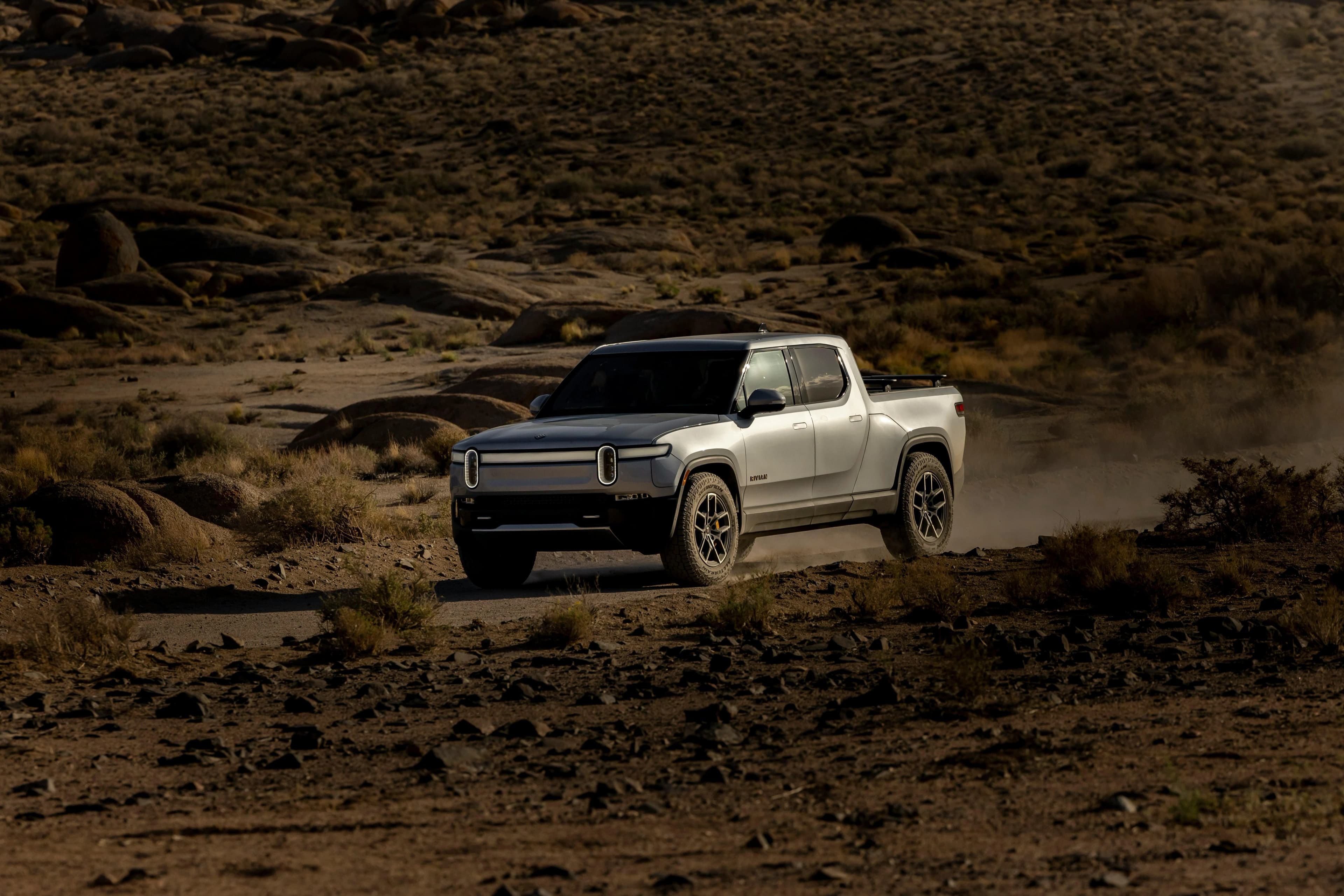
Rivian has spent the last few years carefully cultivating a specific vibe: granola-munching, Patagonia-wearing, rooftop-tent-sleeping adventure. Their trucks are marketed as tools to help you escape civilization. But at their recent Autonomy and AI showcase, the Irvine-based EV maker made a hard pivot back to the city. They announced a massive expansion of their driver-assistance capabilities and—perhaps more importantly—a roadmap that puts them in direct contention with Tesla, GM, and Ford for the title of "Best Robot Chauffeur."
The headline promise is bold: Rivian plans to enable hands-free driving on roughly 3.5 million miles of mapped roads across North America. To put that in perspective, that is not just "major highways." That coverage map rivals the expanded networks of Ford’s BlueCruise and GM’s Super Cruise. It suggests that Rivian wants their vehicles to be as capable on a monotonous I-5 commute as they are on a Moab trail.
To pull this off, Rivian isn't relying on off-the-shelf parts from suppliers like Mobileye or Nvidia anymore. They unveiled a new, homegrown architecture featuring the "Rivian Autonomy Processor." This is a custom-designed silicon chip built to handle the massive compute load required for real-time sensor fusion. By bringing the chip design in-house, Rivian claims they can optimize the software and hardware integration far better than if they were stitching together third-party components. It’s the same "full stack" philosophy that Tesla has championed, but with a key difference: Rivian isn't ditching the sensors. While Tesla has gone "vision only" (removing radar and relying solely on cameras), Rivian is keeping a robust suite of 11 cameras, 5 radars, and ultrasonic sensors. They are betting that redundancy equals safety, and frankly, we are inclined to agree.
But of course, this tech comes with a price tag. Rivian is formalizing its "Autonomy+" platform as a paid tier. Owners can opt for a subscription model—projected at around $49.99 a month—or pay a lump sum upfront. In a market where Tesla has charged as much as $15,000 for "Full Self-Driving" (and currently charges $99/month), Rivian’s pricing feels aggressive. It signals that they view autonomy not as a luxury garnish for the 1%, but as a core feature they want widespread adoption for.
However, we need to temper the hype with some legal reality. "Hands-free" is not "mind-free." This is still a Level 2+ system. The driver is legally responsible for everything the car does. If the Rivian misses a stop sign or drifts into a barrier, the ticket goes to you, not RJ Scaringe. The challenge for Rivian now is execution. Mapping 3.5 million miles is an enormous data undertaking, and maintaining that map as roads change is even harder.
If they can pull it off, it changes the value proposition of the R1T and R1S significantly. Right now, you buy a Rivian because it’s a cool truck. If this update works as advertised, you might buy one because it’s the best road-trip vehicle on the market. But until the OTA update hits the fleet and we can test it in the chaos of rush hour, we’ll keep our hands hovering near the wheel. We’ve been promised the robot future before; we’ll believe it when the car merges safely without giving us a heart attack.