Rivian Recalls 35,000 Amazon Vans: Growing Pains for the Electric Delivery Fleet
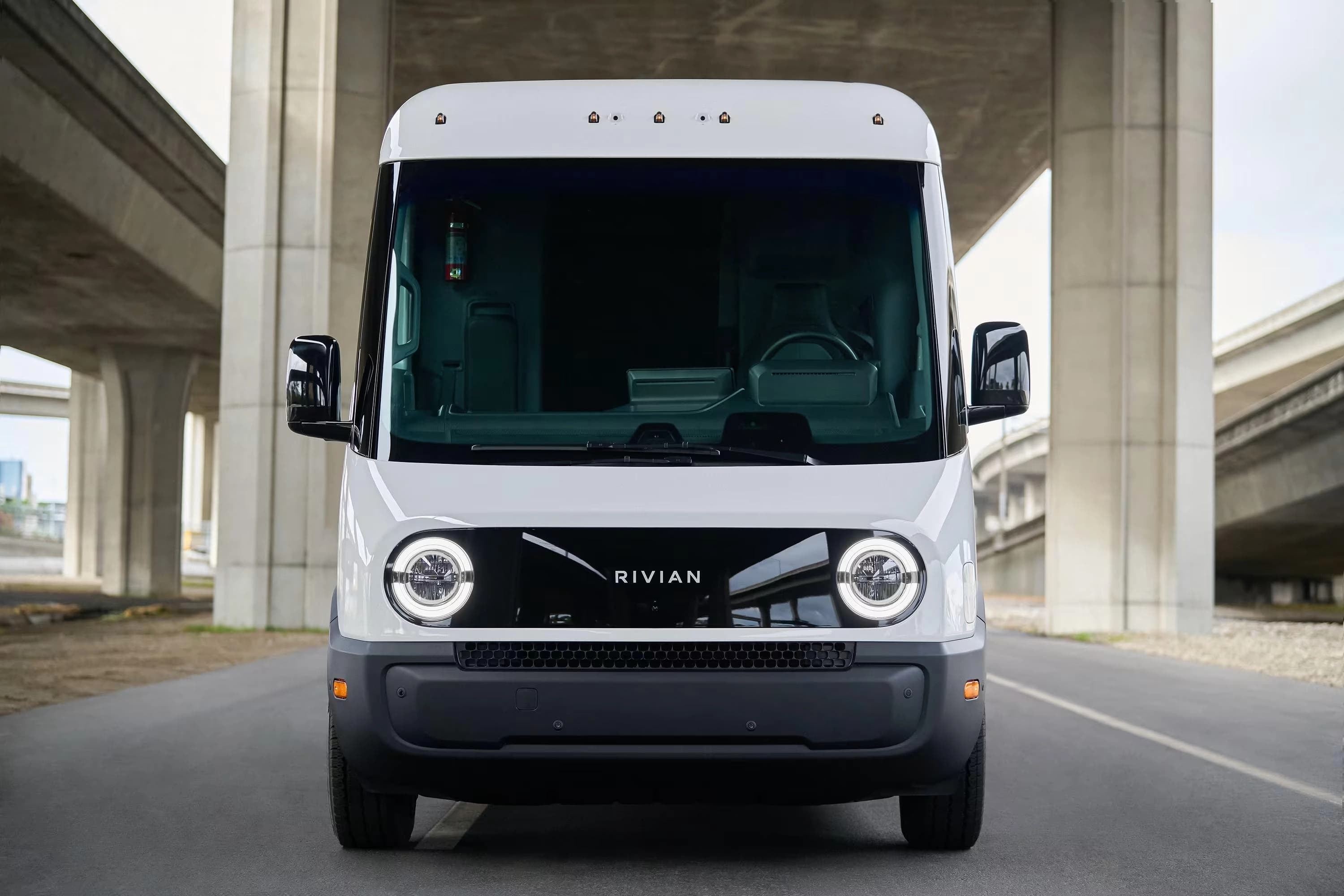
Image courtesy of Rivian
If you have ordered a package from Amazon in the last year, chances are it was dropped off by a driver stepping out of a Rivian EDV (Electric Delivery Vehicle). These friendly-looking, cartoonish vans have become a fixture on American streets almost overnight. But growing fleets bring growing pains, and Rivian is currently navigating a significant one.
The company has issued a recall for nearly 35,000 of its Amazon delivery vans due to a potential failure in the seat-belt pretensioner system. The issue isn't a catastrophic battery failure or a wheel falling off, which is good news. But in the world of safety compliance, a seat belt that might not tighten correctly during a crash is a serious "stop everything" kind of problem.
What makes this recall interesting is the root cause. It appears that real-world driver behavior exposed a design vulnerability. Delivery drivers are unique users. They are getting in and out of the vehicle hundreds of times a day. They are buckling and unbuckling constantly. They are twisting, turning, and putting stress on components in ways that a standard commuter simply does not.
This specific usage pattern seems to have accelerated wear or exposed a flaw in the pretensioner assembly that validation testing didn't catch—or didn't catch to the extent necessary. It is a classic example of the difference between "tested" and "battle-tested." You can run simulations until the servers melt, but until a stressed-out driver trying to hit a delivery window yanks on that belt for the 500th time that week, you don't truly know how it holds up.
For Rivian, this is a headache, but it is also a rite of passage. Every major manufacturer goes through this. Scaling from building a few hundred prototypes to tens of thousands of production units introduces variables in supply chain quality and assembly consistency that are incredibly hard to manage.
The recall highlights the challenges of the commercial fleet market. Unlike private owners, who might ignore a recall notice for months, a corporate fleet like Amazon has strict liability concerns. They need these vans fixed, and they need them fixed yesterday. This puts immense pressure on Rivian’s service network, which is already working hard to support its R1T and R1S consumer customers.
However, let’s give credit where it is due. Rivian is handling this proactively. They identified the issue, they communicated it, and they are rolling out a fix. The tone from the company isn't defensive; it’s operational. They are treating it as a logistical hurdle to clear.
This incident also serves as a reminder of the sheer scale of Rivian’s partnership with Amazon. 35,000 vans is a lot of metal. It proves that Rivian is delivering on its volume promises, even if the road is bumpy. Seeing this many vehicles in the wild is a testament to their production ramp-up, which has been one of the more successful efforts among the EV startups.
For the drivers, hopefully, this is a quick pit stop. For Rivian investors and fans, it is a reminder that building cars is hard, and building commercial vehicles that take a daily beating is even harder. The EDV is a crucial part of Rivian’s cash flow and future stability. Keeping Amazon happy is job number one. Fixing seat belts quickly and efficiently is a small price to pay to keep that relationship solid.