Rivian R2 Hits the Streets and Aims Straight for the Model Y
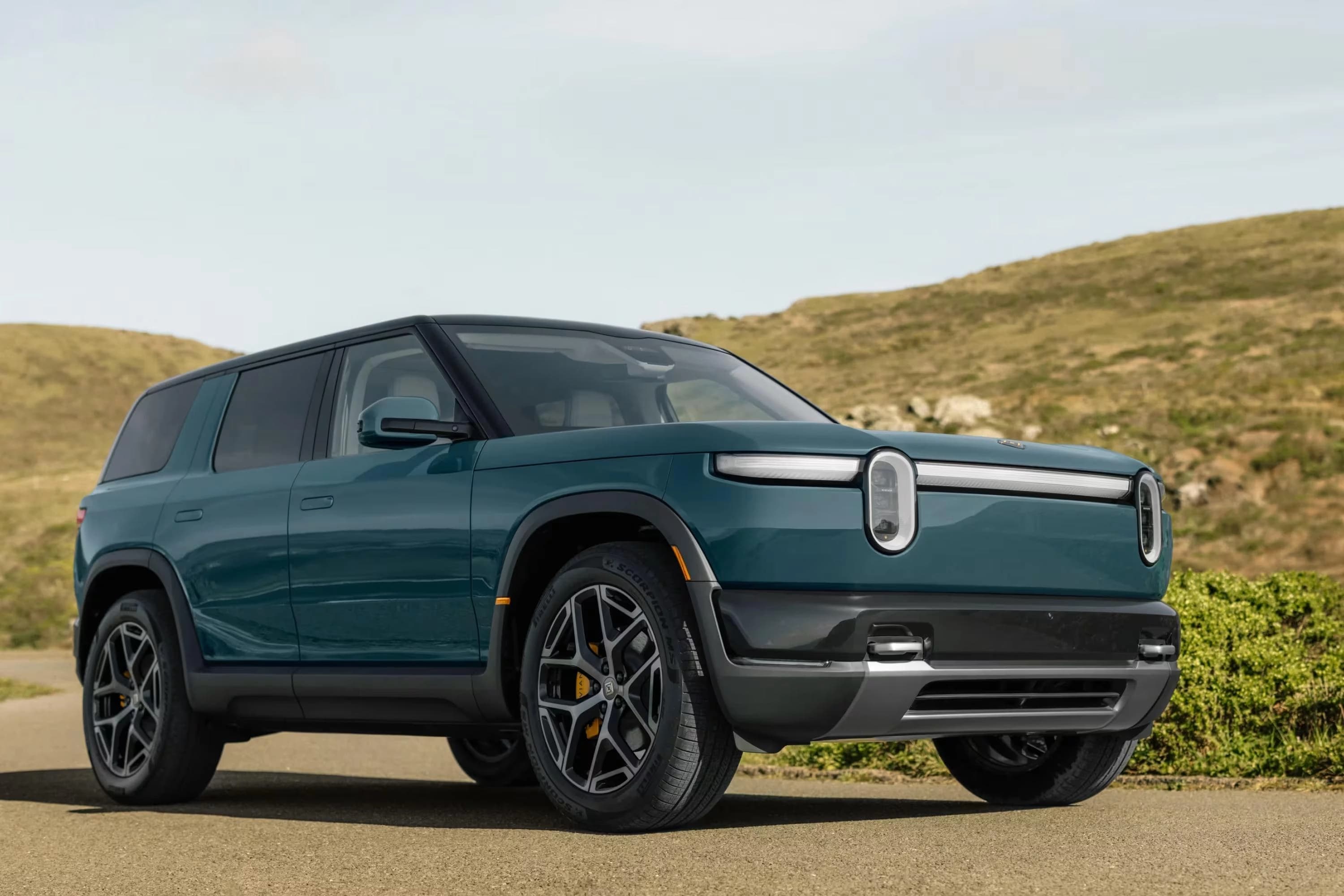
The EV market has been eagerly waiting for this exact moment. Rivian has officially started customer deliveries of the highly anticipated R2 SUV this June. This represents a monumental shift for the Irvine based automaker. For the past few years, Rivian built its entire brand identity on the backs of the premium R1T pickup and R1S SUV. Those vehicles proved beyond a doubt that electric adventure rigs could be incredibly capable, luxurious, and highly desirable. However, their premium price tags kept them well out of reach for the average consumer. The R2 changes that dynamic completely. This is the vehicle designed to bring Rivian to the masses, and the pressure on this mid size SUV to succeed is immense.
Let us look at the raw numbers. The Launch Edition R2 hits the streets with a starting price around 57,990 dollars, boasting an impressive EPA estimated range of 330 miles. Performance remains a core part of the Rivian corporate DNA. The dual motor, all wheel drive setup generates a massive 656 horsepower, rocketing this family hauler from zero to sixty miles per hour in a scant 3.6 seconds. Later in the production cycle, a more affordable standard trim is expected to drop the entry price down to the 48,000 dollar range. These figures place the R2 squarely in the crosshairs of the Tesla Model Y, which remains the undisputed heavyweight champion of the electric crossover segment.
Competing in this high volume space requires more than just good looks and fast straight line acceleration. The mid size electric SUV market is arguably the most fiercely contested battleground in the automotive industry today. Rivals like the Hyundai Ioniq 5, Kia EV6, and Ford Mustang Mach E have already established strong consumer footholds. Rivian is banking on its unique brand identity to carve out a massive slice of this pie. The R2 retains the rugged, outdoor focused ethos of its larger siblings. It features a power dropping rear window, fold flat seats for weekend camping, and an interior designed to easily wash away the mud from an off road adventure. It is a refreshing departure from the sterile, minimalist jellybean shapes that currently dominate the electric vehicle landscape.
The true challenge for Rivian lies not in the exterior design, but in the manufacturing execution. Building a fantastic vehicle in small batches is one thing. Mass producing tens of thousands of units with impeccable quality control is an entirely different logistical beast. The automotive landscape is littered with ambitious startups that stumbled terribly when trying to scale production. Rivian has learned hard lessons during the rollout of the R1 platform, streamlining its manufacturing processes and negotiating better supplier contracts. The R2 is the culmination of those difficult operational lessons. Early reports from media test drives out in Utah suggest that the engineering team has delivered a remarkably polished product. The software interface is snappy, the ride quality strikes a great balance between comfort and capability, and the overall build quality feels reassuringly solid.
Looking ahead, the next twelve months will completely define the trajectory of the brand. If Rivian can meet consumer demand while maintaining tight quality control and expanding its physical infrastructure, the R2 could very well become a common sight in suburban driveways and remote trailhead parking lots alike. The transition from a niche luxury brand to a mainstream automotive powerhouse is fraught with risk, but the delivery of the first R2 models proves that Rivian is ready for the challenge.