Ranger Lightning Is Real. Ford Finally Puts a Plug on Its Midsize Workhorse
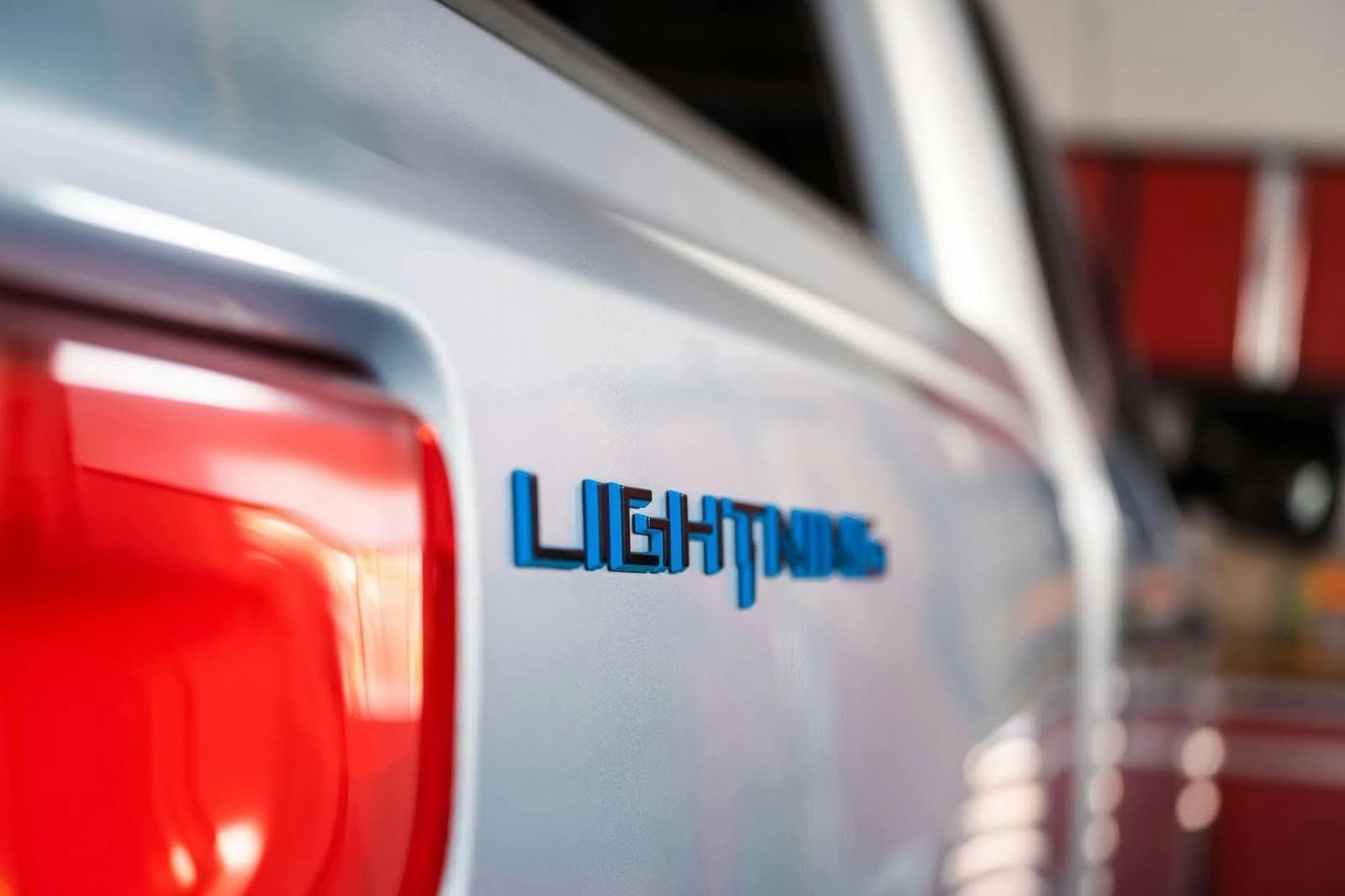
Ford’s long-anticipated midsize electric pickup has finally rolled into the spotlight, and the name you expected—Ranger Lightning—is officially real. After months of speculation, leaks, and CEO Jim Farley teasing a 'more attainable' EV truck, Ford unveiled its newest electrified workhorse. The pitch is refreshingly straightforward: an electric truck that fits in your garage, doesn’t break the bank, and still has enough range to tow your toys without an existential crisis.
The Ranger Lightning will reportedly start around $49,990 and offer an estimated range of up to 350 miles. That instantly positions it as the first truly mass-market electric pickup—priced thousands below the big Lightning, Rivian R1T, or Tesla Cybertruck. It’s smaller, lighter, and deliberately engineered for people who actually use trucks as daily tools rather than as rolling status symbols. Ford’s engineers seem to have embraced the ethos of the original Ranger: capability without overkill.
Underneath, it rides on an updated version of Ford’s midsize platform adapted for dual-motor all-wheel drive. Expect around 400 horsepower and plenty of torque, but with the brand’s usual obsession for efficiency. Charging performance should match the latest Mach-E upgrades—think 10% to 80% in about 35 minutes at a fast charger. The truck will also feature Ford’s Pro Power Onboard system for external power output, because no self-respecting EV truck leaves home without enough outlets to power a concert.
But the most intriguing angle here is strategy. Ford has realized that not everyone wants a massive, six-figure electric pickup. The F-150 Lightning has been a success story, but one that caters mostly to early adopters and well-heeled contractors. The Ranger Lightning shifts the focus back to working-class buyers—the ones who actually remember when trucks were affordable transportation. It’s a bet that practicality, not excess, will drive the next wave of EV adoption.
The competition is already watching nervously. Tesla’s Cybertruck is the viral meme of the segment, but its polarizing design and delivery delays leave room for a less dramatic option. GM’s midsize EV truck, expected later this decade, is still vaporware. Toyota’s electrified Tacoma is years away. That gives Ford a rare head start in a race it already knows how to win.
Of course, promises are easy. Execution isn’t. Ford’s EV division has had its share of growing pains—recalls, production bottlenecks, and some public hand-wringing about profitability. But if the company can build the Ranger Lightning at scale, keep quality under control, and hold that sub-$50K entry price, it might just create the template for mainstream electric trucks.
It’s a turning point moment for Ford’s EV strategy: less moonshot, more meat-and-potatoes. If the Ranger Lightning drives as well as it looks on paper, it won’t just be another Lightning—it’ll be the spark that ignites an entirely new segment.