Porsche Vows to Keep the 911 Burning Gas Until the Bitter End
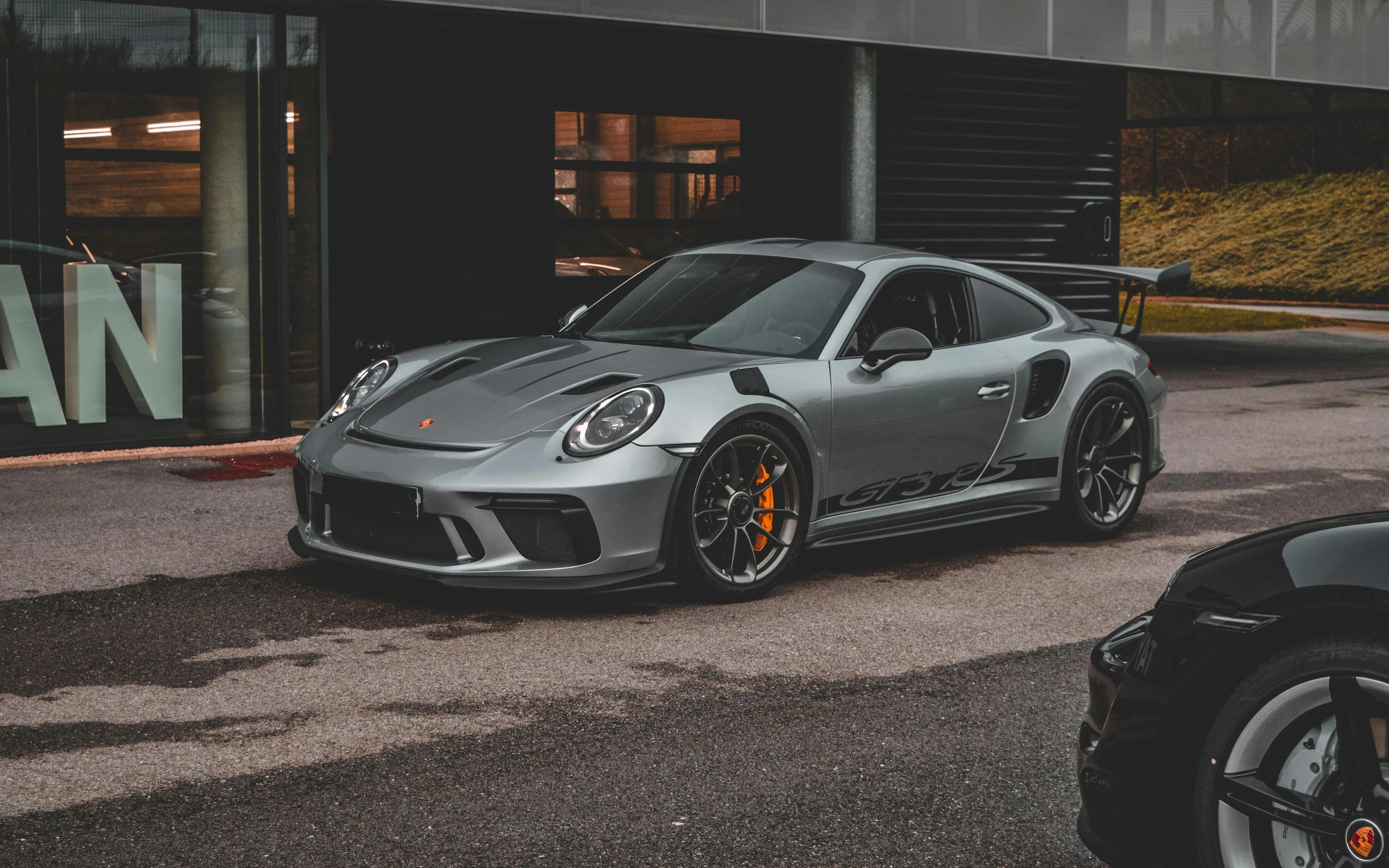
The automotive landscape is undergoing a metamorphosis unlike anything seen since the invention of the moving assembly line. Governments around the globe are heavily incentivizing a shift toward battery power, and nearly every major automaker has committed billions of dollars to transition their fleets away from fossil fuels. Even the most stoic performance brands have yielded to the current, with Porsche themselves heavily electrifying their lineup through the wildly successful Taycan and the newly transformed all-electric Macan. However, for driving purists holding their breath for the fate of the brand is most sacred vehicle, Porsche has officially delivered a massive sigh of relief. The legendary 911 will not become a fully electric vehicle.
This revelation serves as a definitive anchor in a sea of rapidly changing product roadmaps. The 911 is essentially the yardstick by which all other sports cars are measured, defined as much by the distinct mechanical howl of its rear-mounted flat-six engine as it is by its timeless silhouette. For decades, the engine placement and the unique power delivery of the boxer motor have dictated the handling characteristics that enthusiasts adore. Engineers have spent over half a century perfecting a layout that many initially deemed flawed. Removing that thumping, mechanical heart in favor of a silent battery pack and electric motors would undeniably result in a faster vehicle in a straight line, but outright speed has never been the sole purpose of the 911. It is about engagement, the tactile feedback through the steering wheel, and the symphony of mechanical parts working in perfect harmony behind the driver. To strip the combustion engine from the 911 would be to fundamentally alter its identity, a risk that executives in Stuttgart are simply unwilling to take.
This is not to say that the 911 is ignoring the future or ignoring environmental responsibilities. The reality of stringent global emissions regulations means that the car cannot survive on traditional gasoline alone indefinitely. Porsche recently introduced a highly sophisticated hybrid system to the 911 lineup, cleverly utilizing electrical assistance to boost performance and improve efficiency without compromising the visceral driving experience. The T-Hybrid system proves that electrification can be used as a targeted tool to enhance the internal combustion engine rather than replace it entirely. It is a brilliant display of engineering gymnastics, designed to keep regulators happy while simultaneously feeding the desires of the enthusiast market.
Furthermore, Porsche is investing heavily in the development of synthetic e-fuels. These sustainably produced alternatives to traditional gasoline are designed to be nearly carbon neutral, capturing carbon dioxide from the atmosphere during the production process to offset the emissions released during combustion. The automaker has already opened a pilot plant in Chile to harvest wind energy to synthesize this revolutionary fuel. By championing this technology, Porsche is actively trying to construct a viable lifeline for the internal combustion engine. If successful at scale, e-fuels could secure the future of the 911 and potentially offer a lifeline to millions of existing classic cars already on the road.
The decision to insulate the 911 from full electrification highlights a mature understanding of market segmentation. Automakers are beginning to realize that the transition to EVs does not have to be an absolute mandate across every single model line. By electrifying high-volume daily drivers like their SUVs and luxury sedans, Porsche can lower their overall corporate fleet emissions enough to carve out an internal combustion exemption for their flagship sports car.
For those eager to experience the magic of a combustion-powered sports car, the market remains incredibly vibrant, and this commitment ensures that the ecosystem around these vehicles will continue to thrive. Dealerships and independent specialists alike can breathe easier knowing that their expertise in maintaining and repairing these complex internal combustion engines will remain highly relevant for the foreseeable future. Porsche has proven that they can innovate without losing sight of who they are, ensuring the unmistakable wail of a flat-six will echo on our roads for generations to come.