Nissan's Stunning Comeback Quarter
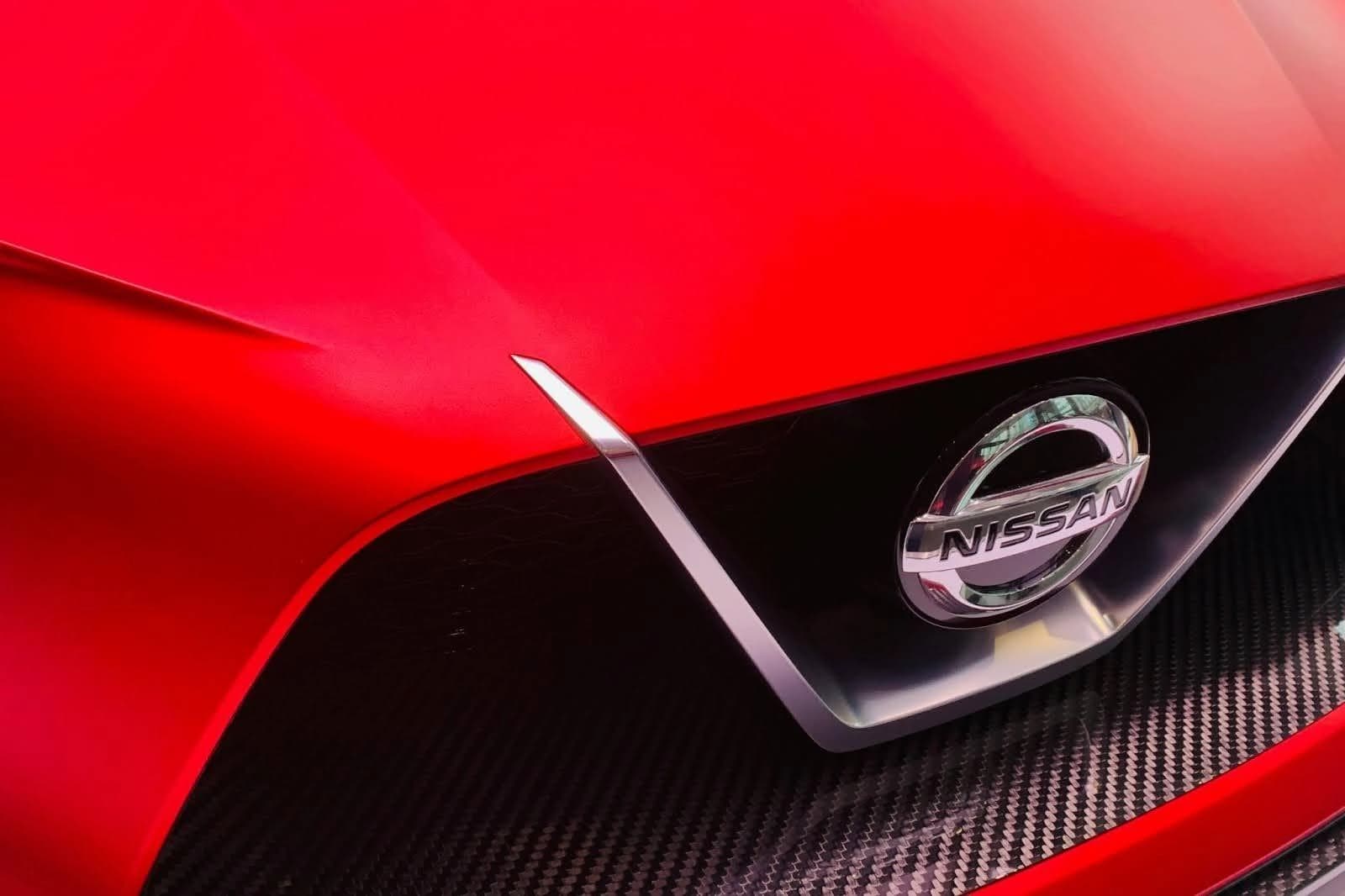
Remember six months ago when everyone was writing Nissan's obituary? When analysts were calling it the next Mitsubishi? When the company was hemorrhaging cash faster than a cracked CVT drains transmission fluid? Well, surprise: the patient isn't dead yet. In fact, it just woke up, did a few jumping jacks, and told everyone to get stuffed.
Nissan dropped its Q2 earnings on November 6, and buried in the corporate speak about "operational improvements" and "strategic realignment" was an actual operating profit of 51 billion yen for the quarter. That's about $338 million in real money. More importantly, it's Nissan's best quarterly performance in a year, and it happened at a time when most people expected the company to continue its downward spiral into irrelevance.
Let's be clear about something: Nissan is far from out of the woods. The company still posted a 28 billion yen operating loss for the first half of its fiscal year. Shares are down 27 percent for the year. The market values Nissan at just a quarter of its book value, which is Wall Street's way of saying "we think you're lying about what your stuff is worth." This isn't a victory lap. It's barely a jog around the parking lot.
But here's what matters: CEO Ivan Espinosa beat his own forecast. Three months ago, Nissan expected to lose $659 million in Q2. Instead, after stripping out a one-time emissions credit gain, they made about $100 million. That's the kind of sandbagging that makes investors believe maybe, just maybe, management knows what it's doing.
The turnaround story centers on North America, where Nissan has actually been gaining ground. Retail market share in non-EV segments climbed from 4.3 percent in Q3 2024 to 5.3 percent now. That's real growth in a brutally competitive market where most manufacturers would sacrifice their firstborn for an extra half point of share.
Nissan's cost-cutting campaign has generated 4,500 ideas worth potentially $1 billion in savings. Now, "ideas" is doing a lot of heavy lifting in that sentence. Brainstorming sessions are cheap; actual savings are hard. The specific examples Nissan cited include redesigning headlamps and seating, which sounds less like revolutionary thinking and more like "what if we made things slightly worse to save three dollars per car."
The company also floated the idea of exporting cars from its Chinese production hub, which is either brilliant or insane depending on whether you think Chinese-built Nissans will fly in other markets. Given current geopolitical tensions and consumer preferences, that's a gamble that could easily backfire.
What Nissan does have going for it is cash. The automotive unit sits on $14 billion in actual money plus another $14 billion in unused credit lines. That's runway. It won't matter if the company keeps burning through it, but at least they have time to figure things out before the wolves show up at the door.
The bigger question is whether Nissan can sustain this momentum. One good quarter doesn't make a turnaround. Ask anyone who bought a Mitsubishi Eclipse Cross. The company still forecasts a nearly $2 billion operating loss for the full year. It's launching new products, but so is everyone else. The recent unveiling of the 2026 Leaf at $29,990 makes it one of the most affordable EVs on the market, which is great if people actually want to buy an affordable EV shaped like a sentient potato.
Here's the bottom line: Nissan isn't back. But it's not dead either. For a company everyone assumed was circling the drain, that qualifies as news. Whether this quarter represents the start of a genuine recovery or just a temporary blip before the real collapse is anyone's guess. But at least now there's a reason to watch.