Nissan’s Rugged Revival and BMW’s Mild-Hybrid Hustle
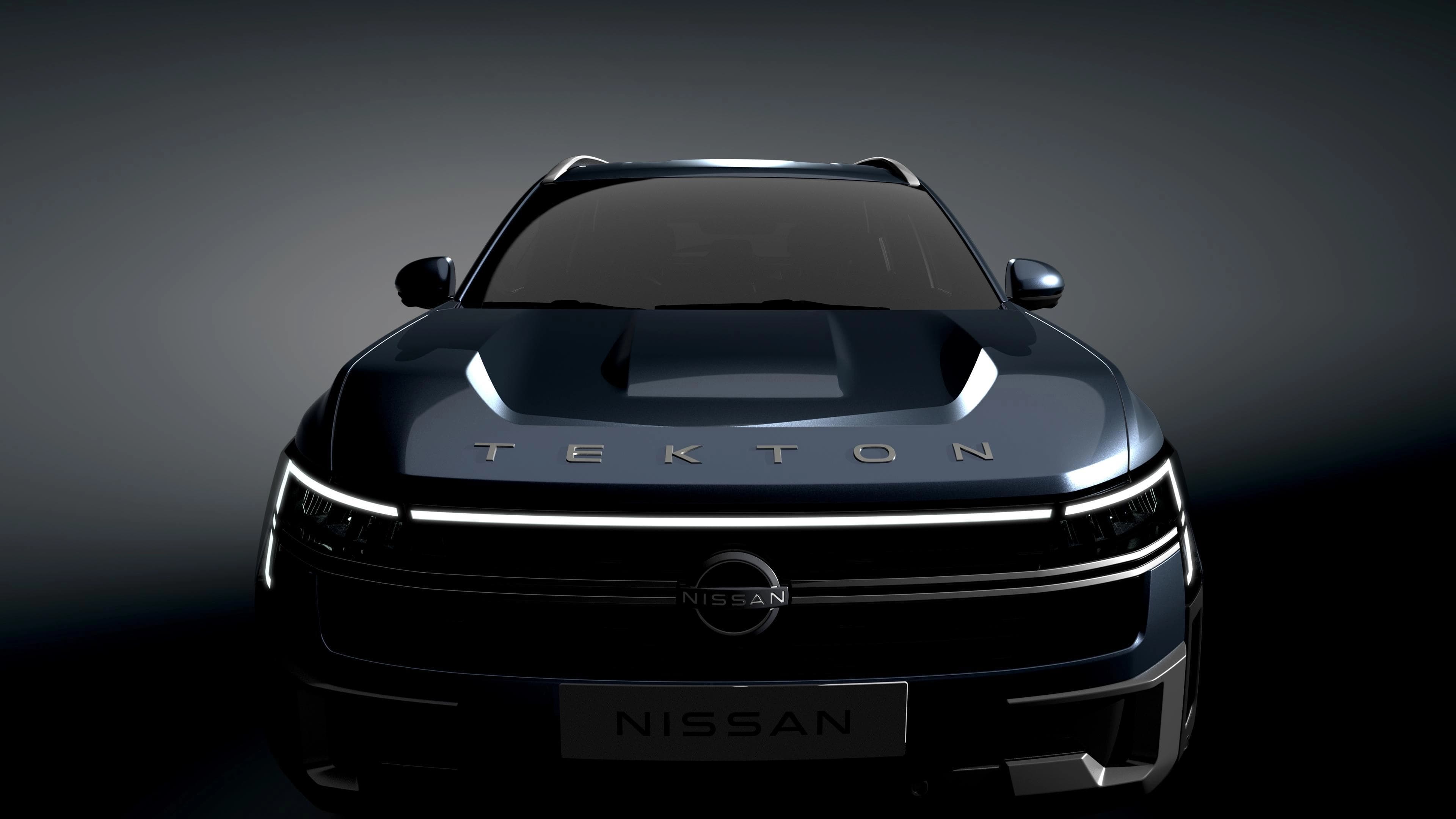
Image courtesy of Nissan
The 2026 NADA show is officially heating up, and Nissan is finally showing some spine with the unveiling of the Tekton. For years, Nissan fans have been begging for something that captures the rugged, go-anywhere spirit of the legendary Patrol without being a massive, fuel-thirsty luxury barge. The Tekton is the answer: a mid-size SUV that looks like it was designed by someone who actually owns a pair of hiking boots. It features a boxy, upright silhouette, a powerfully sculpted bonnet, and a clearance-focused front end that is clearly aimed at taking a bite out of the Ford Bronco’s lunch.
Built on the CMF-B platform, the Tekton is ditching the old-school V6 for a high-output 1.3-liter turbocharged four-cylinder that promises 163 horsepower and enough torque for both city driving and highway cruising. It is a bold move for a brand that has played it safe with soft-edged crossovers for far too long. The design incorporates a C-shaped headlamp signature and a "Double-C" shaped accent on the front doors that even features a mountain range motif inspired by the Himalayas. If Nissan can actually get these to dealerships without a 20 percent markup, they might just have a hit on their hands that spearheads their global resurgence.
Meanwhile, over in the luxury aisle, BMW is doubling down on the "best of both worlds" approach with the 2026 X3 30 xDrive M Sport Pro. While the world is shouting about full EVs, BMW is quietly perfecting the mild-hybrid. The new X3 features a 48V system paired with a 2.0-liter TwinPower Turbo engine producing 255 horsepower. This setup does not just help with fuel economy; the electric assist fills in the gaps in the turbo’s power delivery and smooths out the start-stop transitions in traffic. It allows the X3 to rocket from 0-60 in a respectable 6 seconds while maintaining the refined, quiet ride that luxury buyers expect.
Inside, the X3 is a tech-lover's dream, featuring a massive 14.9-inch BMW Curved Display and an "Interaction Bar" that adjusts the mood lighting based on your drive mode. It is a refined, tech-heavy package that proves the internal combustion engine is not going quietly into the night—it is just getting a very sophisticated electrical assistant. BMW is also using more sustainable materials, with options for Veganza or Alcantara upholstery that look and feel just as premium as the real thing but carry a much lighter environmental footprint.
Both of these reveals show an industry in transition. Nissan is leaning into the nostalgia of "tough" mechanical 4x4s and precision "craftsmanship"—the literal meaning of the Greek word Tekton—while BMW is using high-tech hybridization to keep the driving experience sharp without the range anxiety of a full EV. It is a fascinating contrast in philosophy. Nissan is betting that people want to look like they are heading into the mountains, while BMW is betting that people want a seamless, intelligent companion for their daily commute.
As we look at the 2026 model year, it is clear that "rugged" and "refined" are the two poles of the market. Whether you want to climb a mountain in a Tekton or just navigate the Starbucks drive-thru with maximum efficiency in an X3, the options are getting more specialized.