Nissan Gives the Pathfinder a Facelift and Mild-Hybrid Dreams
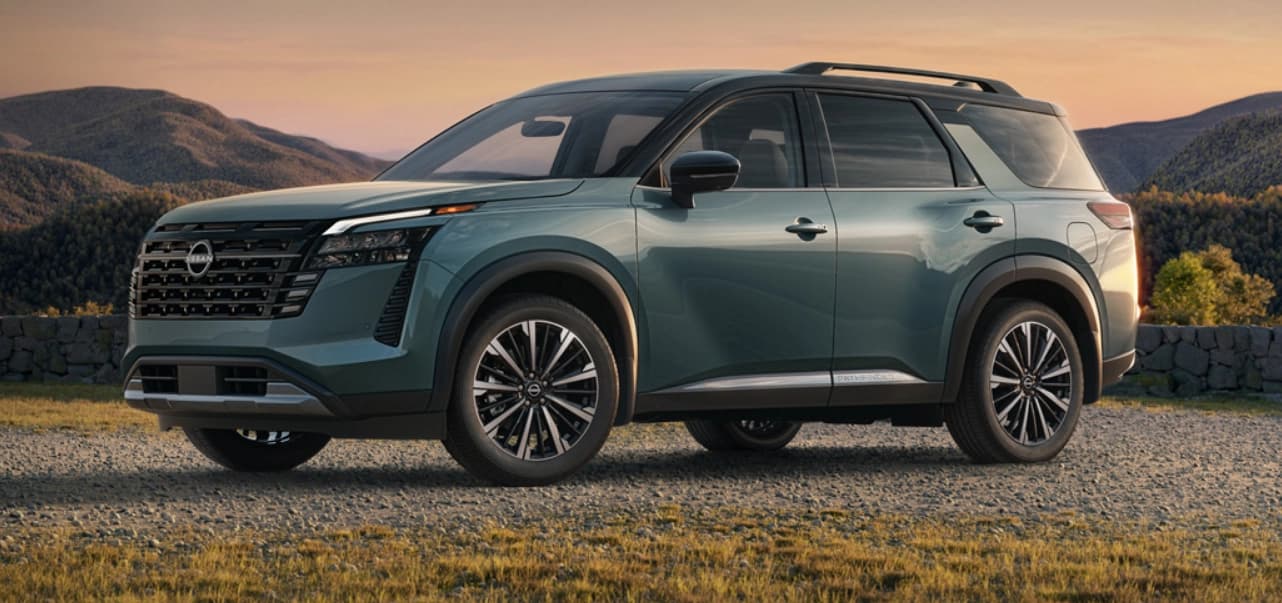
Nissan just unveiled the refreshed 2026 Pathfinder, and it's exactly what you'd expect from a mid-cycle update: bolder styling, upgraded infotainment, and a new mild-hybrid powertrain option. It's Nissan's attempt to stay relevant in the brutally competitive three-row SUV segment, where the Toyota Highlander and Kia Telluride have been eating everyone's lunch for years.
The exterior changes are the most immediately noticeable. Nissan sharpened the front end with a more aggressive grille and revised lighting signatures. The changes make the Pathfinder look more modern and less like it wandered off a 2017 auto show stand. It's still recognizably a Pathfinder, but with enough visual updates to justify the "new" label. Whether that's enough to turn heads in a Whole Foods parking lot is debatable.
Inside, Nissan upgraded the infotainment system with a larger touchscreen and presumably better software. The current Pathfinder's tech was adequate but hardly class-leading. The updated system promises better smartphone integration and more intuitive controls. These upgrades are table stakes in 2025, but they're necessary. Families buying three-row SUVs expect technology that doesn't feel dated the moment they drive off the lot.
The mild-hybrid powertrain is the most interesting addition. Nissan hasn't released full specifications yet, but mild-hybrid systems typically add a small electric motor and battery pack to assist the gasoline engine during acceleration and recapture energy during braking. The result is modestly improved fuel economy without the complexity and cost of a full hybrid system. It's a pragmatic middle ground between traditional powertrains and full electrification.
Whether that's enough to compete with Toyota's excellent hybrid Highlander is questionable. The Highlander Hybrid delivers genuinely impressive fuel economy for a three-row SUV, often exceeding 35 mpg combined. Mild-hybrid systems typically improve economy by maybe 10 to 15 percent. That's meaningful but not revolutionary. Nissan is likely betting that the lower cost compared to a full hybrid will appeal to budget-conscious buyers.
The Pathfinder's core mission remains unchanged: haul families and their stuff in reasonable comfort without breaking the bank. It competes in the meat of the three-row SUV market, where buyers prioritize space, reliability, and value over prestige or performance. Nissan needs the Pathfinder to succeed because this segment generates serious volume and profit. Losing ground here hurts.
The competition is fierce and getting fiercer. The Toyota Highlander dominates with Toyota's reputation for reliability and available hybrid powertrains. The Kia Telluride and Hyundai Palisade brought design and value that embarrassed the establishment. The Mazda CX-90 added genuine driving dynamics to the segment. The Honda Pilot remains a safe, practical choice. Standing out requires more than incremental improvements.
Nissan's challenge is that the Pathfinder doesn't excel in any particular area. It's not the most stylish, most efficient, best driving, or most luxurious option. It's competent across the board but lacks a compelling reason to choose it over rivals. The refresh addresses some weaknesses, but it doesn't fundamentally change the Pathfinder's positioning. It's still the sensible second choice, not the aspirational first pick.
Pricing will be critical. If Nissan can undercut the Highlander and Telluride while matching their features, the Pathfinder becomes more attractive. The brand has historically competed on value, offering solid vehicles at competitive prices. The mild-hybrid variant needs to be priced close to conventional models to gain traction. If it carries a significant premium, buyers will either skip it or stretch for a full hybrid competitor.
The mid-cycle refresh is also a reminder that Nissan is still working through its broader corporate challenges. The company has faced leadership turmoil, declining market share, and an aging product portfolio. The Pathfinder update shows Nissan can execute product improvements, but the bigger question is whether the company can regain momentum across its entire lineup.
For current Pathfinder owners, the refresh doesn't dramatically change the value proposition. If you're happy with your current model, there's no urgent reason to upgrade. For shoppers considering a three-row SUV, the updated Pathfinder adds visual appeal and improved efficiency to an already practical package. Whether that's enough to sway buyers away from the Highlander or Telluride depends on how aggressively Nissan prices it and how well dealers execute on the sales floor.
The 2026 Pathfinder is a solid effort that addresses obvious weaknesses without taking big risks. That's appropriate for a mid-cycle refresh but also indicative of Nissan's conservative approach lately. The company needs wins, and the Pathfinder can deliver them if the updates resonate with buyers. If they don't, well, there's always the next generation.