Nio's Firefly Heads for RHD Markets to Dodge Tariff Crossfire
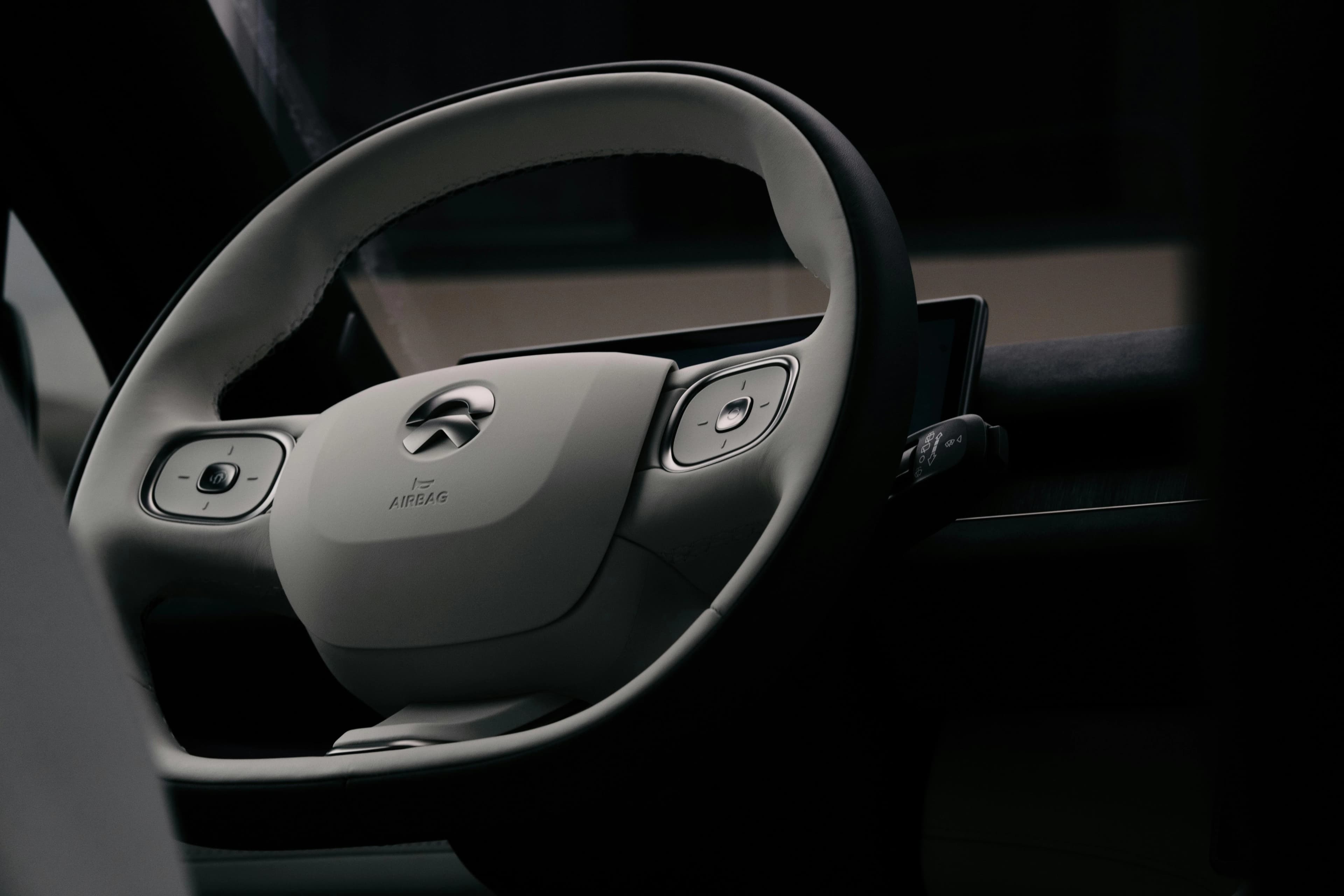
Nio just started mass production of right-hand-drive versions of its Firefly compact EV, and the first batch is heading to Singapore rather than Europe. That's not an accident. It's a calculated strategic retreat from markets where punitive tariffs have transformed the brand's pricing from competitive to questionable. When the European Commission slapped additional import duties on Chinese EVs in late 2024, Nio's planned 25,000-euro price point became 29,900 euros. That's the kind of price hike that turns 'interesting alternative' into 'why would I buy this instead of a Volkswagen?'
The Firefly's new focus on right-hand-drive markets represents Nio's adaptation to a rapidly changing global trade environment. Instead of fighting uphill battles in Europe and facing similar headwinds in North America, the company's targeting countries where Chinese EVs aren't automatically treated as economic threats. CEO Daniel Jin confirmed plans to enter Thailand and Britain in 2026, with ongoing distributor talks in Australia and New Zealand. These markets share one key characteristic: either no tariffs or significantly lower import barriers than the EU.
Firefly was designed with global markets in mind, targeting the compact car segment that accounts for 17% of global annual sales. European consumers make up a third of that segment, which explains why Nio incorporated European preferences into the vehicle's size and digital interface. The car features triple-circular headlights, dual luggage compartments, and advanced electronic architecture. It's powered by a 105 kW motor that gets the little hatchback to 100 km/h in 8.2 seconds, with a 42.1 kWh battery providing 330 km of range under WLTP testing.
In Singapore, Firefly will be marketed as a boutique small car, priced higher than competitors like BYD's Dolphin. Jin emphasized that distributors must avoid treating Firefly as just another made-in-China EV. In his words, lowering the brand's positioning would be fatal. That's a refreshing dose of realism about the challenges Chinese automakers face building brand equity in markets where 'Made in China' still carries certain connotations, regardless of actual product quality.
Firefly launched in China in December 2024 and has sold 26,242 units through October 2025 at an average price exceeding 120,000 yuan. That works out to around $16,891, dramatically cheaper than the European pricing even before tariffs got involved. The volume isn't earth-shattering, but it's solid for a new sub-brand in the brutally competitive Chinese market. Combined with Nio's other new brand Onvo, these lower-priced offerings helped push monthly sales to 40,397 units in October, nearly doubling year-over-year numbers.
Nio's pivot to right-hand-drive markets without heavy tariff burdens gives it a structural advantage over rivals still dependent on China-to-Europe exports. The strategy aligns with Nio's long-term goal of becoming a genuinely global EV brand rather than a China-centric one with international ambitions. Success in cities like Singapore and Bangkok could establish proof points that inspire other Chinese automakers to follow similar paths.
That said, building brand trust in new markets requires massive investment in marketing and after-sales support. Jin acknowledged that growth will likely be slow as consumer trust develops. Small batches were delivered to Norway, the Netherlands, and Belgium earlier this year before tariffs squeezed margins. European expansion slowed dramatically once those additional duties hit. The company learned an expensive lesson about relying on markets that can fundamentally change the economics overnight through policy decisions.
The bigger picture shows global EV growth slowing from 60% in 2023 to just 30% in 2024 according to International Energy Agency data. That deceleration changes everything for manufacturers counting on exponential expansion. Nio's strategy of focusing on niche markets with fewer trade obstacles offers a template for other automakers looking to sidestep tightening regulations and shifting demand patterns.
Nio reported a second-quarter net loss of $697.2 million but expects to break even in the fourth quarter. Whether Firefly's expansion into right-hand-drive markets contributes meaningful volume remains to be seen. The company's deliberately vague about sales projections, which probably means they're not expecting immediate breakthroughs. Building distribution networks, establishing service infrastructure, and earning consumer trust takes years, not quarters.
Firefly's journey illustrates the new reality for Chinese EV makers with global ambitions: the world isn't one big open market anymore. Trade barriers are rising, protectionism is fashionable again, and established players in mature markets are leveraging regulatory tools to protect home-field advantage. Successful international expansion now requires surgical precision in market selection rather than shotgun approaches. Nio's betting that right-hand-drive markets offer enough volume without the political headaches. Time will tell if dodging tariff crossfire was smart strategy or just prolonged the inevitable confrontation with trade barriers that could pop up anywhere.